For serious collectors, a Hillsboro Beach condo search is less about square footage alone and more about light, walls, climate, privacy, service access, and the way a residence can behave as a private gallery by the sea.
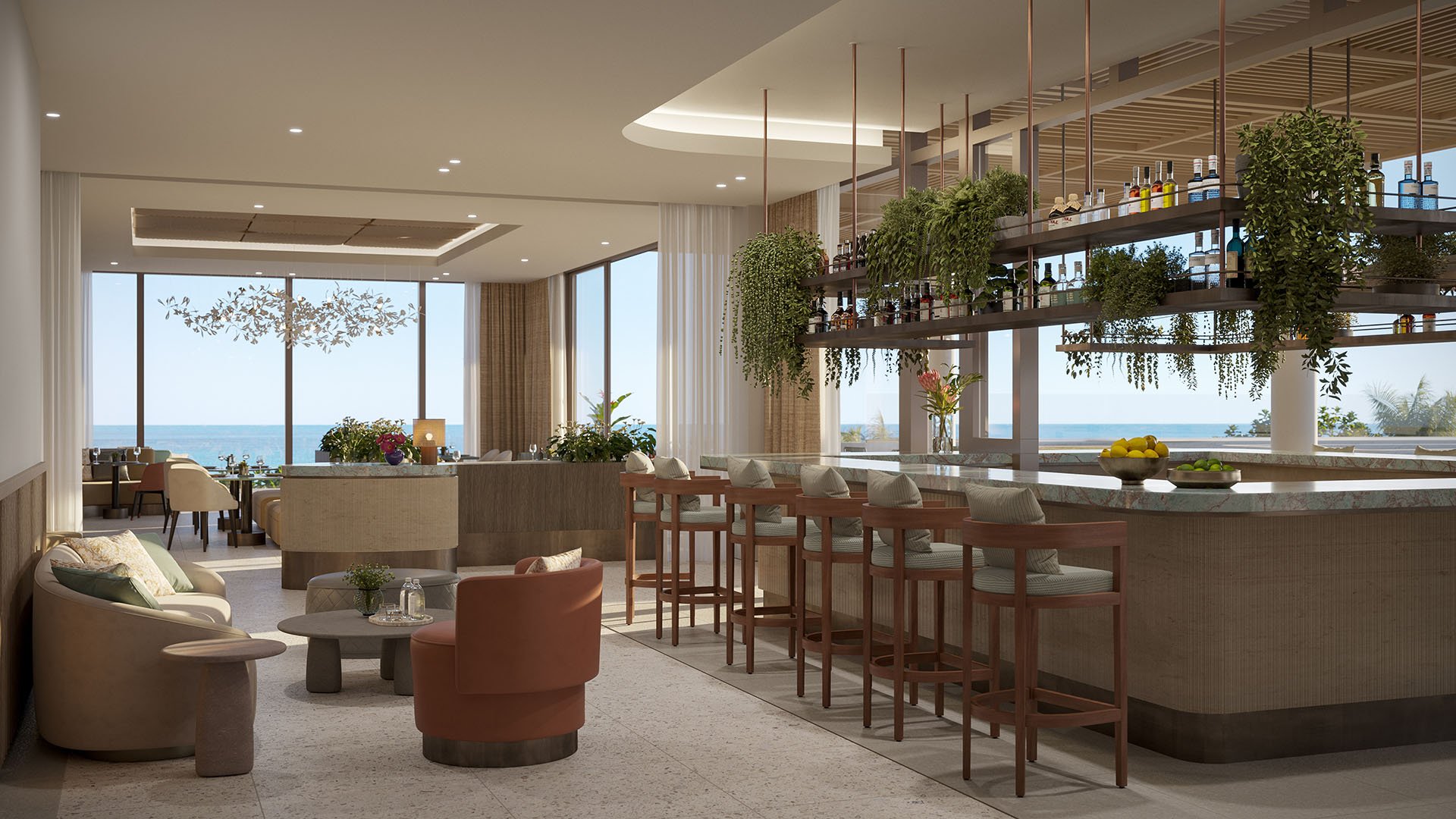
For many luxury buyers, the condo search begins with view, address, amenities, and the emotional pull of water. For an art collector, the sequence changes. The first questions become more exacting: Where will the large canvas live? How does afternoon light move through the room? Can sculpture be installed without compromising circulation? Is there a discreet route from the loading area to the residence? In Hillsboro Beach, where coastal living defines the lifestyle, the strongest search treats the collection as a primary resident.
This does not mean sacrificing romance. It means making the romance durable. A residence can have dramatic ocean views and still be appropriate for important works, but the buyer must read the space differently. Floor plans, ceiling heights, wall lengths, elevator access, climate control, glazing, and terrace exposure all become part of the evaluation. For a Hillsboro Beach search brief, the art program should sit beside bedroom count and view preference from the first conversation.
Collectors often discover that the most glamorous room is not always the best gallery. A sun-filled living room may be spectacular for entertaining, while a quieter interior wall may be the right home for a sensitive work. The goal is not to turn a residence into a museum. It is to create a private environment where living and collecting feel inseparable.
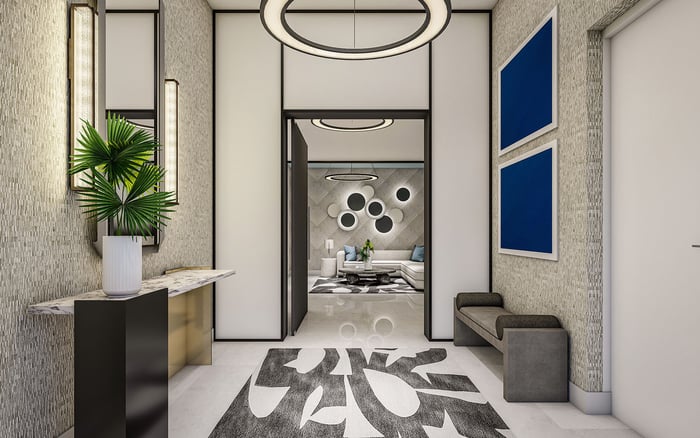
A conventional luxury buyer may prioritize openness. A collector may want openness with discipline. Long, uninterrupted walls can matter more than an extra niche. A direct sightline can be valuable when it allows one significant work to anchor the arrival experience. A generous foyer can become a moment of curation rather than simply a transition.
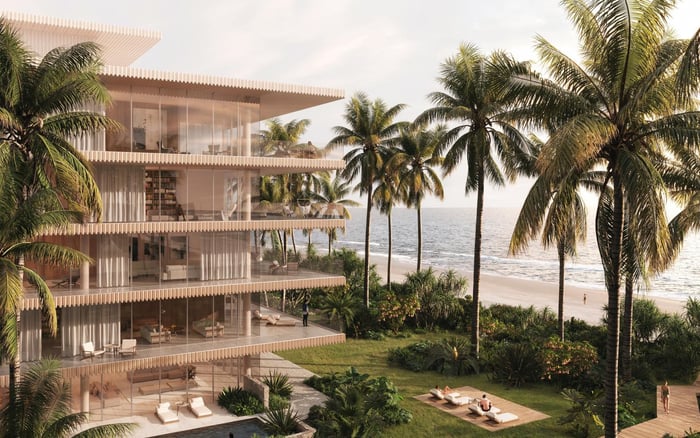
This is where new development and highly designed residences often enter the conversation. A buyer considering Rosewood Residences Hillsboro Beach may frame the decision not only around beachfront lifestyle, but also around whether the residence can accommodate art in a calm, intentional manner. The question is not merely whether the walls are beautiful. It is whether the walls are useful.
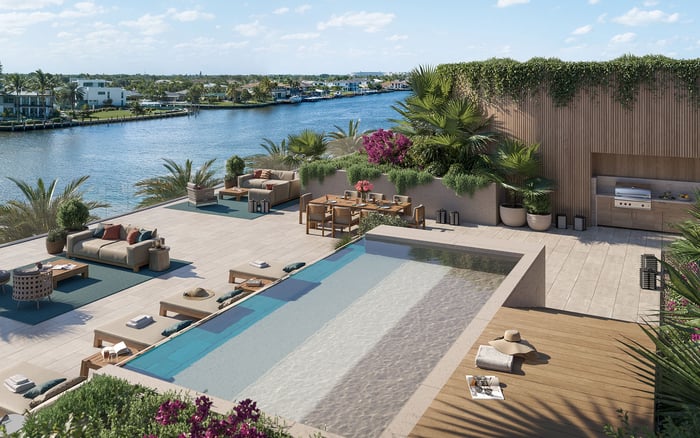
Penthouses can be especially seductive for collectors because of their volume, privacy, and sense of occasion. Yet they require a more technical review. Large-scale art needs more than a dramatic room. It needs delivery pathways, installation clearances, lighting flexibility, and the ability to be experienced without competing visual noise.
Oceanfront living is one of South Florida’s great privileges. For collectors, it also requires judgment. Glass, reflection, and coastal brightness can create a luminous backdrop for daily life, but they can also change how art is experienced. A painting that feels profound in a controlled room may lose presence against extreme glare. Photography, works on paper, textiles, and certain materials may call for even more caution.
The solution is not to avoid views. It is to design around them. Window treatments, lighting plans, art placement, and the selection of rooms for sensitive pieces should be part of the acquisition process before closing. A residence with a magnificent water view can still be a serious collecting environment if the buyer understands which walls should perform as gallery surfaces and which spaces should remain dedicated to the horizon.
Nearby coastal options can be useful comparison points. Armani Casa Residences Pompano Beach and The Ritz-Carlton Residences® Pompano Beach may help a collector think through the balance between branded design, waterfront living, and a more curated interior sensibility. The point is not to collect buildings. It is to understand how different residential languages support different collections.
Before touring, a collector should prepare a short art-led checklist. How many large, uninterrupted walls are available? Can the primary living area support both conversation and art viewing? Is there a powder room or corridor that can become a jewel-box installation moment? Are ceilings proportionate to the scale of the collection? Is the lighting system adaptable, or will it require substantial revision?
The most sophisticated buyers also consider restraint. Highly expressive finishes can be beautiful, but they may not always support a diverse collection. Marble movement, patterned wallcoverings, mirror, and intense decorative lighting can compete with art. A more measured interior may offer greater long-term flexibility, especially for a collector whose taste continues to evolve.
Comparisons outside Hillsboro Beach can sharpen the eye. Glass House Boca Raton may prompt questions about transparency, proportion, and contemporary calm, while Palm Beach Residences may encourage a buyer to think about how elegance, privacy, and display can coexist. Boca Raton and Palm Beach are not substitutes for Hillsboro Beach, but they can expand the buyer’s vocabulary.
Art changes the importance of building operations. A collector should ask how deliveries are handled, how installation teams access the residence, and whether rules affect timing, protection, or movement through common areas. For sculpture, crates, framed works, and delicate objects, convenience is not a minor issue. It is part of stewardship.
Privacy also matters. Collectors may want discretion around what arrives, what leaves, and who is aware of the collection. A residence that feels serene inside can become less attractive if the logistics of ownership feel exposed. The best search process evaluates not just the unit, but the choreography of living with valuable objects.
Climate is another quiet priority. South Florida residences are designed for comfort, but collectors may need a more nuanced conversation around humidity, temperature consistency, and storage. A beautiful room that is rarely used can still affect a collection if it is not stable. Art advisors, designers, installers, and insurance professionals should be brought into the conversation early enough to shape decisions rather than react to them.
A collector’s improvements should be elegant, reversible where possible, and aligned with the architecture. Over-customization can narrow the future buyer pool, while thoughtful lighting, refined wall preparation, and disciplined spatial planning can make a residence feel more resolved. The strongest art-forward homes do not announce that they were engineered for a collection. They simply feel composed.
This is particularly important in a small, high-intent market such as Hillsboro Beach, where buyers often respond to privacy, water, and a sense of permanence. The residence should not feel like a showroom. It should feel like a life well edited.
For collectors, the right condo search is ultimately less about finding more space and more about finding the right kind of space. The best choice allows art to breathe, guests to gather, and the ocean to remain present without overwhelming the interior. When those elements align, a condominium becomes something rarer than a trophy. It becomes a private world with a point of view.
Should art collectors tour condos differently than other buyers? Yes. Collectors should evaluate walls, light, ceiling height, service access, and climate stability before focusing only on view or finish level.
Is oceanfront living difficult for serious art collections? It can be managed with planning. Glare, humidity, and exposure should shape placement, lighting, window treatments, and conservation strategy.
Are penthouses always better for collectors? Not always. Volume and privacy can help, but delivery routes, wall quality, and light control are just as important.
What should I ask about before installing large works? Ask about elevator dimensions, loading procedures, building rules, installation hours, wall structure, and insurance requirements.
Can a highly designed condo compete with the art? Sometimes. Strong finishes and dramatic materials can be beautiful, but collectors often benefit from rooms with visual restraint.
Should an art advisor join the condo search? For meaningful collections, yes. An advisor can help identify risks and opportunities that may not be obvious during a standard showing.
How important is lighting in an art-focused condo? It is essential. Flexible, layered lighting can transform how works are experienced and can reduce the need for compromise later.
Does waterfront privacy matter for collectors? Yes. Privacy affects deliveries, installations, entertaining, and the discretion many collectors expect from a luxury residence.
Can art-focused upgrades help resale? Thoughtful lighting, refined walls, and elegant planning can help a residence feel more polished without limiting future buyers.
What is the ideal Hillsboro Beach condo for a collector? It is a residence where art, architecture, service, privacy, and the water view support one another without visual conflict.
For a confidential assessment and a building-by-building shortlist, connect with MILLION.
If branded residences are on your mind — as a home or as an allocation — we would be glad to share what we are seeing, privately.
Begin a quiet conversation