A refined buyer’s guide for Houston clients considering Coral Gables and nearby South Florida residences through the lens of wellness, privacy, design, and daily ease.
Moving from Houston to Coral Gables is less about trading one warm-weather market for another than recalibrating how a residence supports daily life. A wellness-led home is not simply a building with a gym. It is a place where arrival feels calm, rooms breathe naturally, outdoor space has genuine utility, and routines unfold without friction.
For many relocating buyers, Coral Gables holds an intuitive appeal: residential scale, mature landscaping, civic polish, and proximity to the larger Miami ecosystem. The best purchase, however, should be judged by how it performs before sunrise, after dinner, during family visits, and in the quiet hours between obligations. This is where wellness becomes a practical acquisition filter rather than a marketing adjective.
The strongest buyers tend to ask fewer questions about spectacle and more about livability. How does the primary suite recover from the day? Is the terrace usable in more than one season? Can groceries, luggage, guests, pets, and service providers move through the residence gracefully? These questions are especially relevant for Houston buyers accustomed to generous space and private convenience.
Before viewing residences, define what wellness means in personal terms. For one buyer, it may be a true morning walk, a shaded terrace, and a kitchen that supports family dinners. For another, it may mean spa access, a private elevator approach, acoustic separation, and a home office that does not feel improvised.
This definition should be written down before the first appointment. Otherwise, the most photogenic property often wins the day. A wellness-led residence should reduce small daily frictions. That includes how the home handles light, privacy, circulation, storage, entertaining, and recovery. It also includes less glamorous but essential considerations: package flow, parking convenience, guest logistics, pet routine, and the distance from garage to kitchen.
Coral Gables buyers should also consider the emotional temperature of the home. A residence can be beautiful yet overstimulating. The more successful choice is often the one that feels composed, especially after travel or a long workday.
Coral Gables is compelling for buyers who want a refined South Florida base without making high-rise spectacle the center of the experience. The neighborhood’s appeal is rooted in proportion, greenery, and a sense of continuity. It is polished, but not frantic. It offers a lifestyle that can feel established from the first week rather than assembled over time.
For those who want a Coral Gables-specific starting point, Cora Merrick Park and Ponce Park Coral Gables can be considered within a broader conversation about location, scale, and routine. The point is not to chase a name first. It is to determine whether the setting supports the way you actually live.
Some buyers may also be drawn to The Village at Coral Gables when the brief calls for a more neighborhood-oriented residential posture. In that context, wellness is not only about amenities. It is about the dignity of daily movement, the softness of the streetscape, and the ability to feel at home quickly.
A serious wellness-led tour should be slower than a typical luxury showing. Stand still in the primary bedroom. Listen. Notice mechanical sound, street sound, hallway sound, and the degree to which the room feels insulated from the home’s more social spaces. In the living area, observe whether natural light is generous or harsh, and whether window treatments can create privacy without making the home feel closed.
Outdoor space deserves equal discipline. A terrace should be evaluated at different times of day when possible. Ask whether it can support coffee, reading, stretching, dining, or quiet conversation. A large outdoor area that is too exposed may be less valuable than a smaller one that feels protected and usable.
Air quality and ventilation should be part of the conversation, but buyers should keep the question practical. How does the residence feel when doors are closed? Are kitchen, laundry, and bath areas well separated? Does the plan allow the home to recover after cooking, entertaining, or a long humid day? Wellness is often found in these operational details.
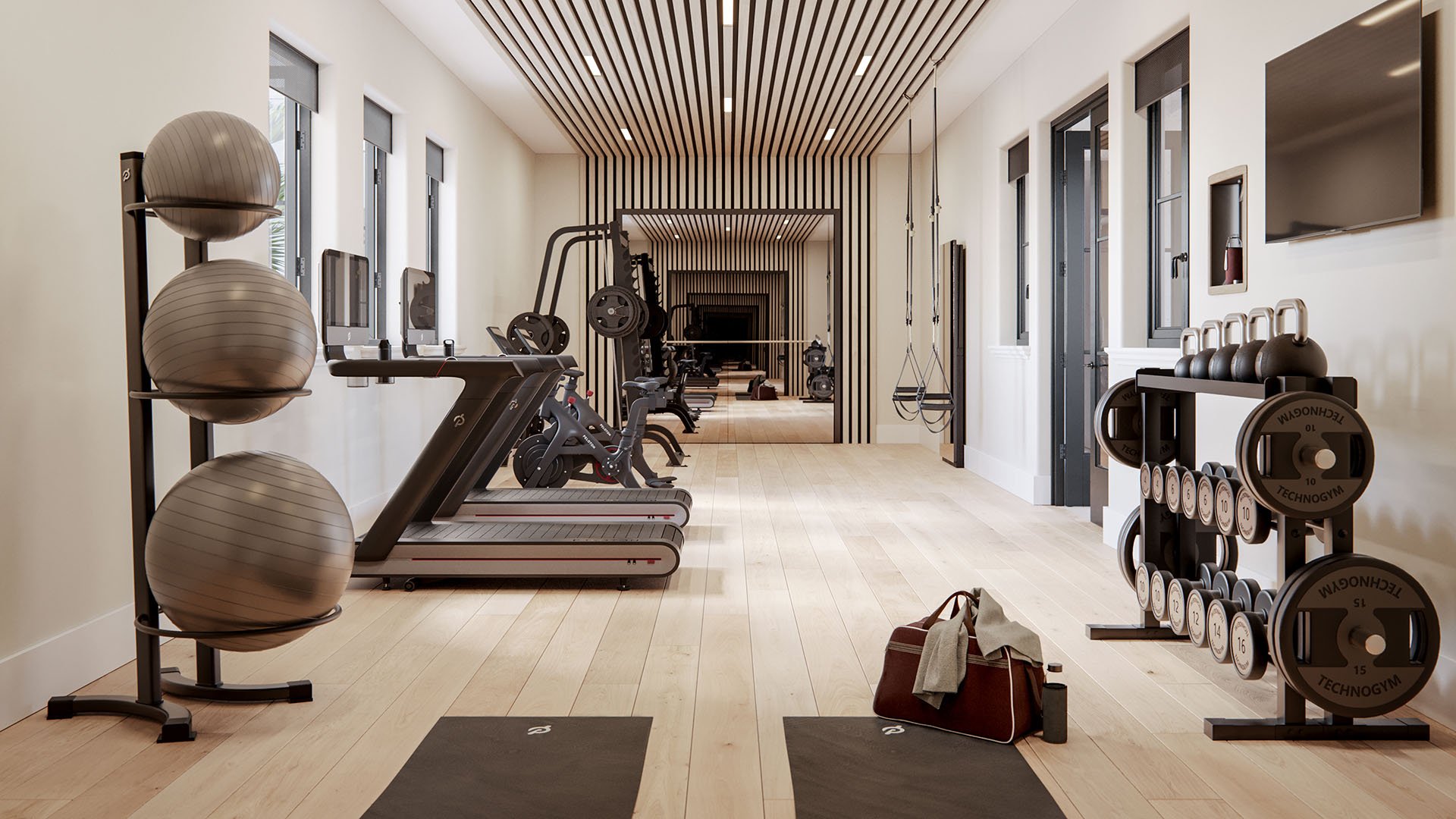
A wellness amenity program is only valuable if it matches existing habits or helps create better ones. A beautiful fitness room will not matter if it is inconveniently located or crowded at the times you train. A spa suite is more meaningful when it is easy to book, calmly designed, and connected to the rhythm of the building.
Buyers considering nearby Coconut Grove for comparison may look at The Well Coconut Grove as part of a broader wellness-oriented search. The larger lesson applies everywhere: the amenity should feel like an extension of the residence, not a separate destination requiring effort.
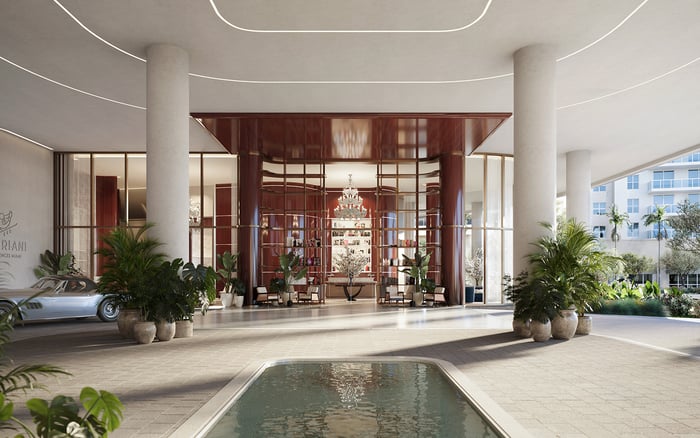
Service culture also matters. The best buildings make wellness feel discreet. Staff interaction should be polished without being intrusive. Arrival should feel secure, efficient, and unhurried. For owners who split time between states, this can be as important as the floor plan itself.
Houston buyers often tour more than one South Florida submarket before choosing. Brickell may appeal to those who prioritize urban proximity, dining, and a more vertical rhythm. Coastal locations may appeal to buyers who want water, horizon, and resort-like energy. Coral Gables usually speaks to those seeking a more grounded residential experience.
A comparison with 2200 Brickell can help clarify whether the buyer’s wellness brief leans urban or residential. Brickell can make sense for a lock-and-leave lifestyle centered on access and momentum. Coral Gables may make more sense when privacy, greenery, and neighborhood texture carry greater weight.
The right answer depends on temperament. A buyer who wants mornings to begin quietly and evenings to feel residential may prioritize Coral Gables. A buyer who wants proximity to the city’s most concentrated energy may prefer Brickell. A buyer who wants the ocean as the central amenity may look east. Wellness is personal, not universal.
Before submitting an offer, score each residence against five categories: daily routine, privacy, recovery, service, and long-term flexibility. Daily routine asks whether the home makes ordinary tasks easier. Privacy asks whether the plan protects the owner’s personal life. Recovery asks whether the home genuinely supports rest. Service asks whether the building operates with grace. Flexibility asks whether the residence can adapt as family, work, and seasonal use evolve.
Avoid overvaluing features that photograph well but will not be used. Do not underrate shade, storage, parking convenience, acoustic comfort, and the feeling of the primary suite at night. These are not secondary concerns. They are often the difference between a luxury purchase and a life-enhancing home.
For Houston buyers, the most successful Coral Gables acquisition will feel familiar in comfort but distinctly South Floridian in rhythm. It should be elegant without announcing itself, restorative without feeling clinical, and connected without sacrificing privacy.
What should a Houston buyer prioritize first in Coral Gables? Start with daily rhythm: commute patterns, privacy, outdoor usability, storage, and how the residence supports rest.
Is a wellness-led residence only about amenities? No. Amenities matter, but light, air, acoustics, layout, arrival, and service often shape the everyday experience more.
How should I compare Coral Gables with Brickell? Compare temperament. Coral Gables often feels more residential, while Brickell may suit buyers who want a more urban routine.
What is the most overlooked wellness factor? Acoustic comfort is frequently underestimated. A quiet primary suite can dramatically improve how a home lives.
Should I tour at different times of day? Yes. Morning light, afternoon heat, evening sound, and traffic patterns can change how a residence feels.
How important is terrace design? Very important. A usable, shaded, private terrace can be more valuable than a larger outdoor area that feels exposed.
What should lock-and-leave buyers examine? Focus on staff coverage, package handling, parking, maintenance access, security, and how the home performs when vacant.
Can Coral Gables work for a seasonal owner? Yes, if the residence and building services support easy arrivals, departures, maintenance, and guest coordination.
How do I avoid being distracted by marketing language? Translate every claim into a daily use case. If a feature will not improve your routine, assign it less weight.
When should I involve an advisor? Bring in guidance before touring widely, so the search is structured around lifestyle fit rather than visual appeal alone.
For a confidential assessment and a building-by-building shortlist, connect with MILLION.
If branded residences are on your mind — as a home or as an allocation — we would be glad to share what we are seeing, privately.
Begin a quiet conversation