The choice between hospitality-led service and a standalone residential building is a choice about daily life. Evaluate walkability, hosting support, usable wellness access, and written absence-care protocols before letting a brand or amenity collection decide.

A South Florida residence should make the life you intend to lead easier. For one buyer, that means arriving to an organized home and having dinner arranged without a series of calls. For another, it means walking to a favorite café, welcoming friends privately, and choosing service providers independently. Neither preference is inherently more luxurious. The distinction is how much coordination you want the building to handle.
Hotel-branded residences are privately owned homes operated under a hospitality brand’s service standards, not simply hotel rooms purchased for occasional use. Operational convenience is part of their appeal. Yet a hospitality affiliation and a standalone residential setting are not necessarily opposites. A useful comparison separates brand, physical setting, management responsibilities, and the services an owner can actually request.
“Branded” extends beyond hospitality to automotive, culinary, and wellness partnerships. A recognizable name does not, by itself, establish an on-site hotel, room service, or spa access. Before comparing properties, confirm whether an operating hotel is present, who runs residential services, and which spaces are resident-only or shared.
Hospitality-led offerings can include concierge, housekeeping, transportation, valet, and in-residence dining. Availability varies by property. The distinction between included and optional service matters just as much: a concierge may coordinate an arrangement without its cost being covered by the monthly assessment.
For a buyer considering Four Seasons Hotel & Private Residences Fort Lauderdale, focus the discussion on the residence’s specific access rights and service terms. Apply the same scrutiny to a standalone building. Do not assume it offers less support, greater privacy, or lower ownership costs simply because its identity is residential rather than hotel-led.
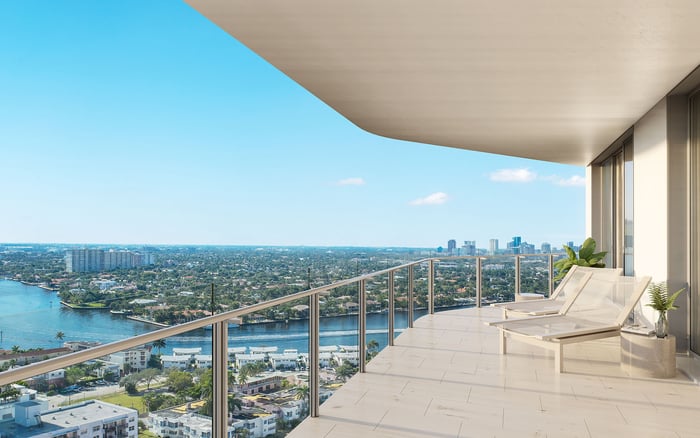
Beach proximity is not a substitute for everyday convenience. Start at the residential entrance and trace the routes to groceries, a pharmacy, cafés, preferred fitness studios, and medical care. Walk them rather than judging them from a map. Crossings, arrival points, and the route home with shopping matter more than a broad neighborhood description.
In Brickell, a buyer evaluating 2200 Brickell can use this exercise to test personal fit. The neighborhood name alone does not guarantee that every errand is comfortable on foot. Conduct the test at the times you expect to go out, not only during a scheduled viewing.
Then distinguish neighborhood access from convenience within the building. In-residence dining may make an evening effortless, but it does not answer whether you can comfortably walk to your preferred breakfast spot. Decide whether you want daily life brought upstairs, available outside the door, or a deliberate balance of both.
For owners who host frequently, hospitality support can make a meaningful difference. Catering and staff coordination can reduce the arrangements you handle personally, while in-residence dining offers another way to serve a meal. The value lies in the work removed from your calendar, not merely the presence of an attractive dining room.
Ask the team to walk through one realistic occasion: an intimate dinner, a family celebration, or a reception extending beyond the residence. Establish who handles setup, staffing, guest arrival, cleanup, and any outside vendors. Request capacities, reservation rules, catering restrictions, guest policies, and charges for any lounge, terrace, private dining room, or guest suite you expect to use.
A standalone building should face the same practical test. Can your preferred caterer enter and work as intended? Can guests move through the property without compromising the atmosphere you value? Compare the complete hosting experience, including the discretion of service and the responsibilities that remain yours. Neither a hotel affiliation nor a beautiful shared room answers those questions alone.
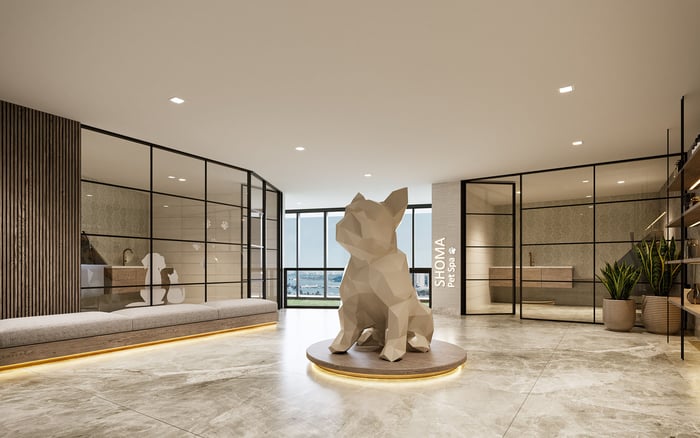
Wellness is more than square footage devoted to exercise. Offerings in the branded-residence market can extend to treatments, classes, and personal training. Hotel-affiliated properties may provide access to spas, pools, and fitness facilities, but residential access rights must be confirmed for each property.
If The Well Bay Harbor Islands is on your shortlist, apply the same disciplined questions you would elsewhere: which services are available to residents, when can they be booked, and what carries an additional charge? Do not let a wellness-oriented name substitute for written terms.
Test a normal week. Confirm opening hours, class schedules, treatment availability, trainer arrangements, and whether facilities are shared with hotel guests. If you already have a trusted practitioner or trainer, ask about outside-provider access. The right arrangement supports your routine with the least friction, whether services are integrated or independently organized.
Concierge and valet can ease departure and arrival. They do not establish that someone will inspect an unoccupied residence, coordinate storm preparation, or respond to a maintenance issue inside the home. Lock-and-leave should describe an agreed service arrangement, not an inference drawn from a staffed lobby.
Obtain written details covering absence checks, package handling, maintenance response, storm preparation, arrival setup, and emergency contacts. Establish who may enter the residence, what authorization is required, and how you will receive updates. Separate routine services from special maintenance and third-party work.
Ask management to walk through a hypothetical issue during an extended absence. Who receives the call, who can act, and who approves spending? A clear chain of responsibility is more useful than a general promise of attentive service. Evaluate every shortlisted building against the same scenario, regardless of branding.
Before deciding, review the declaration, operating agreements, fee schedule, rental rules, and included-service list. Housekeeping, catering, transportation, training, and special maintenance may carry separate charges. Build a personal service budget around expected use rather than treating every advertised offering as part of the assessment.
For a Coconut Grove shortlist that includes Park Grove Coconut Grove, apply the same four tests: daily routes, entertaining arrangements, usable wellness access, and responsibility during absences. Score each against your own habits, not an abstract definition of luxury. Give written commitments more weight than impressions formed during a tour.
Favor integrated hospitality when the services you will use are clearly available and meaningfully reduce the coordination required of you. Favor a more independently organized ownership experience when its documented arrangements better support your privacy, routines, and preferred providers. The best residence is not necessarily the one offering the most assistance, but the one offering the right assistance on terms you understand.
Explore South Florida residences aligned with your priorities at MILLION.
If branded residences are on your mind — as a home or as an allocation — we would be glad to share what we are seeing, privately.
Begin a quiet conversationIt is a privately owned home operated under a hospitality brand’s service standards, rather than simply a hotel room purchased for occasional use.
A brand affiliation alone does not establish an on-site hotel. Confirm the physical setting, operator, and resident access rights separately.
No. Residential partnerships can also involve automotive, culinary, or wellness brands, so the operating model matters more than the name alone.
Walk actual routes from the residential entrance to the places you expect to use, including groceries, cafés, pharmacies, and fitness studios. Beach proximity alone does not establish everyday convenience.
Available services can include in-residence dining, catering, and staff coordination. Confirm availability, reservation requirements, vendor restrictions, and charges at the specific property.
Do not assume that facility access includes treatments or other services. Confirm resident eligibility, booking arrangements, hours, and separate charges.
No. Absence checks, storm preparation, in-home maintenance response, and arrival setup require separate written confirmation.
Housekeeping, catering, transportation, personal training, and special maintenance may carry separate charges. Review the included-service list and current fee schedule.
No. Compare each building’s documented staffing, service scope, and operating arrangements rather than inferring its capabilities from branding.
Review the declaration, operating agreements, fee schedule, rental rules, and included-service list. Request written details for any access or absence-care arrangement central to your decision.