In a South Florida coastal tower, elevation shapes far more than the view. Buyers should weigh wind exposure, vertical transportation, noise, flood-related disruption, and evacuation practicality against the quality of the building envelope and its emergency systems.
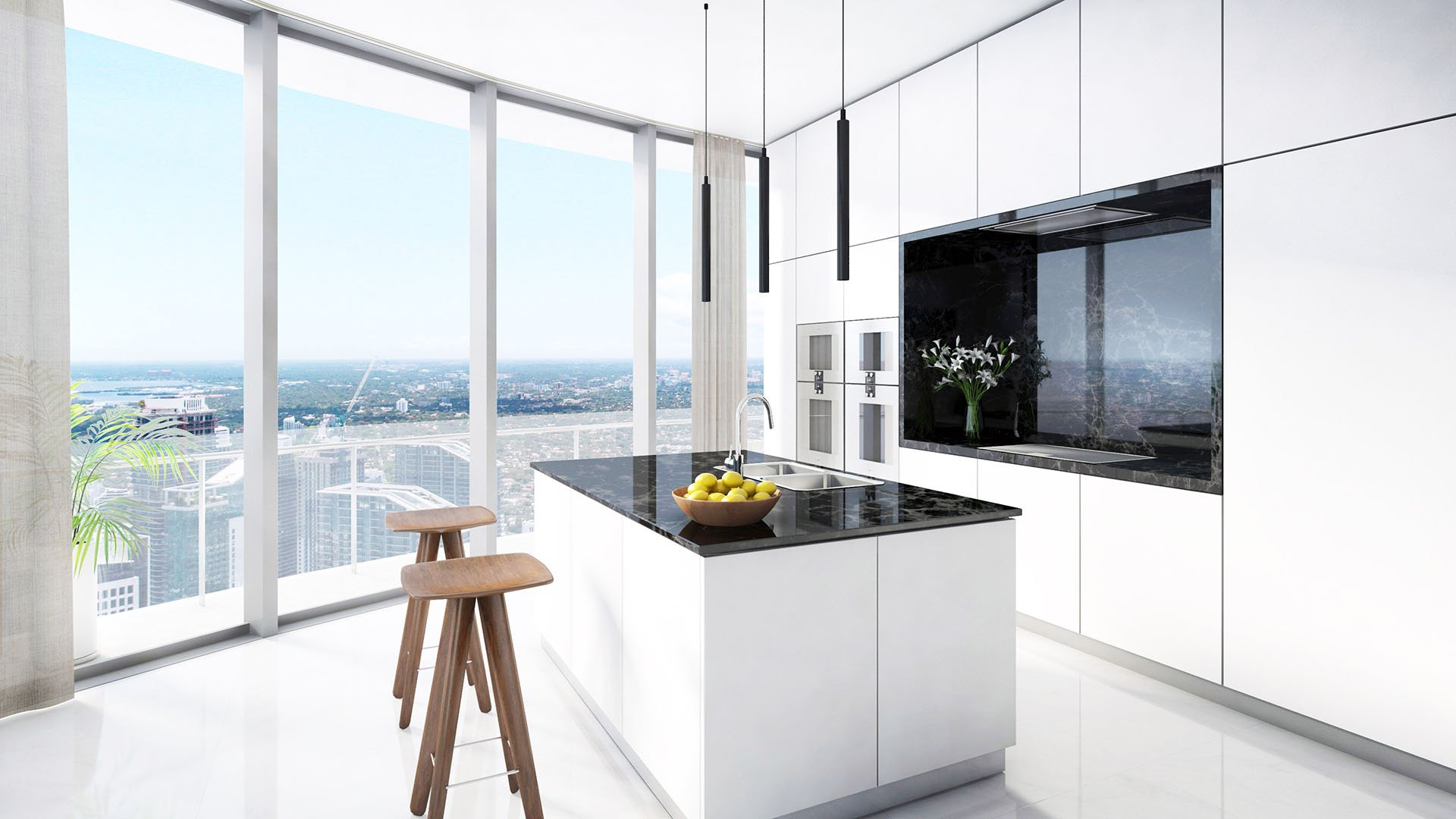
In a South Florida coastal tower, the appeal of elevation is easy to understand. Higher residences may offer broader views, greater privacy, and more separation from activity around the street, porte cochère, pool deck, and service areas. Yet the best floor is not automatically the highest. Elevation can also affect balcony comfort, elevator dependence, perceived movement, and the effort required to leave or return during a disruption.
Lower residences present a different set of considerations. They may offer shorter elevator journeys and a more practical stair alternative, but their proximity to traffic, sirens, loading operations, gates, parking, and amenities can affect the living experience. They may also be closer to flood-affected common areas. The right elevation should align the residence, tower systems, and owner’s tolerance for operational friction.
The most useful approach is to evaluate the floor and building as one integrated purchase. Glazing, elevator operations, backup systems, emergency planning, maintenance, and management can matter as much as elevation.
Wind exposure can differ by elevation, orientation, neighboring structures, and balcony geometry. Buyers should therefore investigate the windows, sliders, frames, railings, façade components, and any alterations within the residence rather than drawing conclusions from floor number alone.
Request available documentation concerning the building envelope, inspections, repairs, replacements, and permitted alterations. A wall of glass should be assessed as a complete assembly, including its condition and installation.
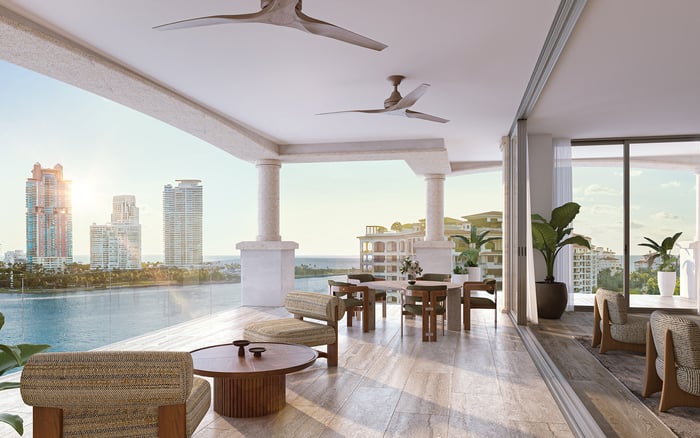
Every balcony and terrace also deserves an in-person test. Two homes at a similar elevation can feel markedly different because of orientation and surrounding structures. Buyers considering an oceanfront setting such as The Perigon Miami Beach should visit under different weather conditions, use doors as permitted, listen for rattling or whistling, and decide whether the outdoor area suits their intended use.
On high floors, vertical transportation becomes a larger part of daily life. Congestion, maintenance outages, move reservations, and service holds can carry greater consequences when stair use is impractical. Following a disruption, access may remain difficult even when the residence itself has not sustained damage.
Ask management how many passenger and service elevators serve the residence, which elevators are supported by backup power, and how emergency service is intended to operate. Confirm whether backup elevator service reaches the floor under consideration and whether residents can call it normally or must follow a managed schedule. Buyers should also ask what shared lighting and essential systems receive backup support.
Lower floors may provide a more realistic stair fallback, while moderate floors can offer a different balance of outlook, access, and privacy. When comparing vertical living at Bentley Residences Sunny Isles in Sunny Isles Beach, buyers should time actual elevator journeys instead of relying on a quiet private showing.
Lower floors may receive more noticeable sound from traffic, valet activity, alarms, loading areas, gates, and ground-level amenities. Greater elevation can create separation, but it does not guarantee a quiet interior. Residence orientation, unobstructed sightlines, glazing, seals, nearby equipment, and the location of amenities can all shape the sound profile.
Visit during several operating conditions, including periods of traffic and amenity use. Stand in the bedrooms with mechanical systems running and then switched off. Briefly compare conditions with terrace doors open and closed. At coastal properties such as Rivage Bal Harbour, the specific exposure and building envelope may be more informative than floor number alone.
Buyers considering upper levels should also ask about nearby building equipment. Mechanical sound and vibration differ from street noise, and an expansive view does not by itself establish interior quiet. The goal is a sound profile compatible with sleep, work, entertaining, and seasonal occupancy.
Hurricane planning introduces competing considerations. Lower levels may be closer to flood-related access impacts, while upper levels can be harder to reach when elevators are unavailable. Damage or restricted access in garages, lobbies, electrical rooms, and other shared spaces may affect occupancy regardless of the residence’s floor.
Review the written hurricane and evacuation plan before purchasing. Ask about stairwell lighting, designated procedures, vehicle-storage guidance, flood exposure in critical common areas, elevator protocols, and arrangements relevant to residents with limited mobility. For a tall option such as Waldorf Astoria Residences Downtown Miami, determine which systems receive backup power and how the building plans to operate them during an interruption.
A measured decision should consider façade condition, glazing documentation, elevator capacity, backup coverage, nearby equipment, emergency procedures, and management discipline. High, moderate, and low floors each present trade-offs, and the optimum remains specific to both the building and resident.
Are high floors always windier in a coastal tower? Elevation is only one consideration. Orientation, surrounding structures, balcony design, and the specific residence should also be evaluated.
Can movement be noticeable in a tall tower? Perceived movement may be a concern for some buyers. Visit the residence under different conditions and ask management about the building’s characteristics.
Are lower floors automatically safer during a hurricane? No floor should be treated as universally safer. Compare stair access, shared-area flood exposure, building procedures, and elevator operations.
What glazing records should a buyer request? Ask for available inspection, repair, replacement, and alteration documentation for windows, sliders, frames, and related façade components.
Does backup power guarantee normal elevator service? Not necessarily. Confirm which elevators receive support, whether service reaches the residence, and how emergency operation is managed.
Are upper floors always quieter? No. Glazing, seals, orientation, sightlines, amenities, traffic, and nearby mechanical equipment can influence interior noise.
When should a buyer test a residence for noise? Visit during different traffic, valet, loading, and amenity conditions, then compare rooms with mechanical systems on and off.
Can a middle floor offer a practical compromise? It may provide a useful balance for some buyers, but the tower’s systems and the resident’s priorities remain decisive.
What should buyers examine in an evacuation plan? Review stairwell lighting, elevator protocols, vehicle guidance, common-area exposure, and procedures relevant to limited mobility.
What matters more than floor number alone? Building-envelope condition, elevator operations, backup coverage, emergency planning, orientation, and management all deserve scrutiny.
For a discreet conversation and a curated building-by-building shortlist, connect with MILLION.
If branded residences are on your mind — as a home or as an allocation — we would be glad to share what we are seeing, privately.
Begin a quiet conversation