A buyer-focused guide to choosing between Hallandale Beach and Sunny Isles Beach through the lens of guest privacy, family circulation, hosting rhythm, and floor plan discipline.
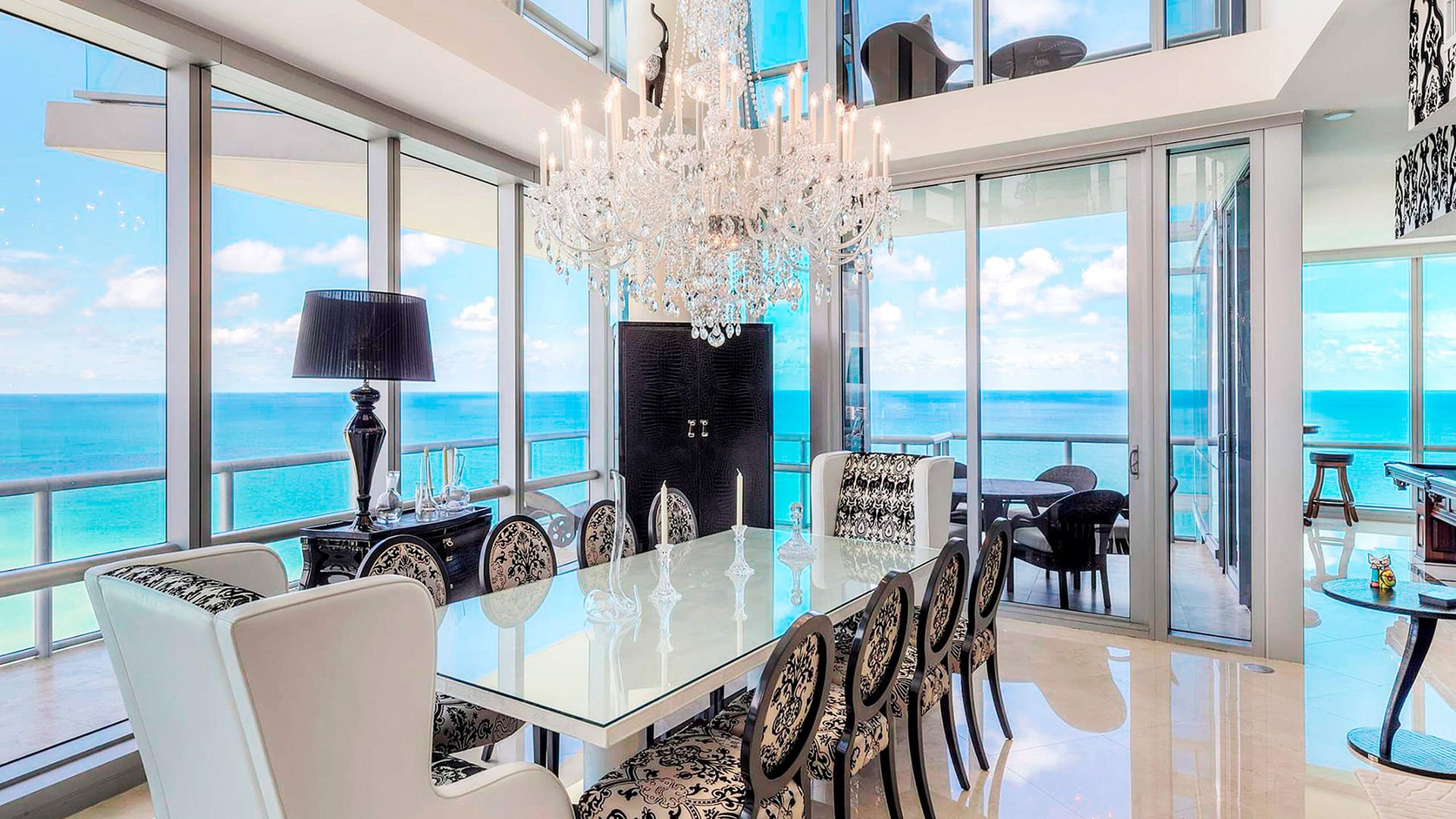
Choosing between Hallandale Beach and Sunny Isles Beach becomes sharper when the brief is not simply “more bedrooms,” but separate guest and family zones. At the top of the market, privacy is not only a question of square footage. It is a question of sequence: who enters where, who wakes early, who entertains late, and whether visiting family can feel hosted without being absorbed into the owner’s daily routine.
For many South Florida buyers, this is the difference between a beautiful residence and a truly livable one. A home may offer generous bedrooms, open views, and a polished amenity program, yet still fail if the guest suite opens directly into the family’s most private corridor. Conversely, a more disciplined plan can make a residence feel larger because it gives every generation, guest, and staff pattern a clear place to move.
The best comparison starts with behavior. Is the residence primarily for immediate family, with occasional guests? Is it a second home used for seasonal entertaining? Do adult children arrive with their own schedules? Will grandparents stay for long weekends? These questions matter more than a neighborhood label because they determine whether Hallandale Beach or Sunny Isles Beach should be judged by retreat, reception, or resilience.
Hallandale Beach may appeal to buyers who want the guest experience to feel calm, contained, and slightly removed from the daily family rhythm. In this brief, the ideal residence gives visitors dignity without forcing the owner to surrender the center of the home. A guest wing, secondary living area, or bedroom position away from the primary suite can be more valuable than one additional formal room.
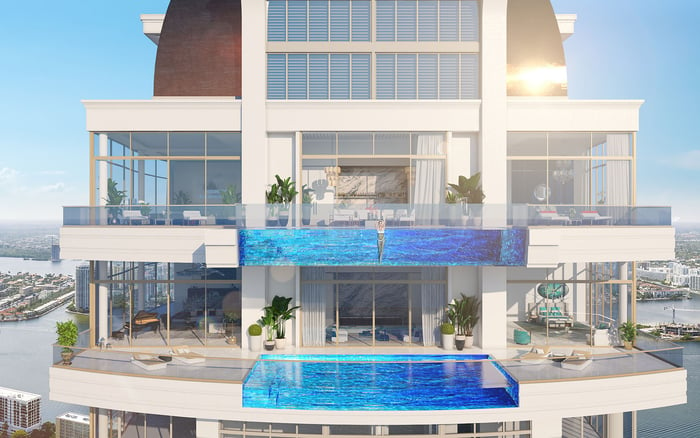
A buyer looking in Hallandale might begin by comparing 2000 Ocean Hallandale Beach with Shell Bay by Auberge Hallandale, not as a simple project-to-project contest, but as a way to study how the area supports different interpretations of retreat. One buyer may want a serene coastal base where relatives can arrive without reshaping the household. Another may want a residence that behaves like a private club residence, with family life and hosting kept elegantly parallel.
The Hallandale decision is strongest when the buyer values measured separation. That might mean a guest room positioned near an entry sequence, a den that can function as a visiting family lounge, or a floor plan where the primary suite does not become a corridor to everything else. The guiding question is simple: can guests be fully welcomed while the owner’s morning, work, wellness, and sleep patterns remain intact?
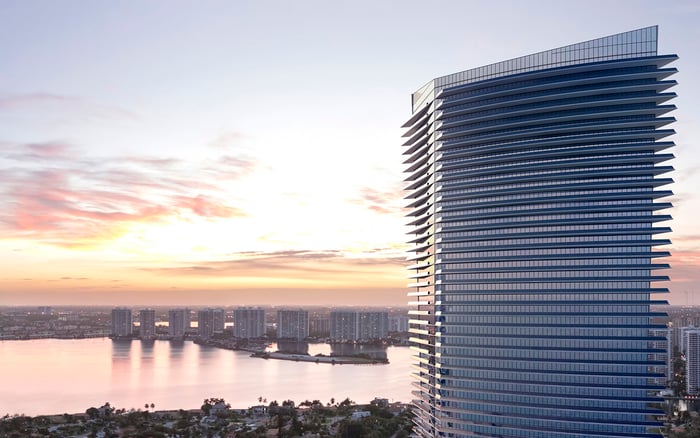
Sunny Isles Beach often enters the conversation when the buyer wants a more vertical, oceanfront expression of luxury living, with a clear sense of arrival and a polished residential identity. For the separate-zone buyer, the key is to resist choosing on skyline presence alone. The residence must still solve the intimate problem: can a guest occupy the home comfortably without blurring the family’s private life?
In Sunny Isles Beach, buyers may study residences such as Jade Signature Sunny Isles Beach, St. Regis® Residences Sunny Isles, or The Ritz-Carlton Residences® Sunny Isles as part of a larger exercise in plan discipline. The brand, architecture, and address may set the tone, but the decisive test remains the same: where do guests sleep, where do they gather, and how do they leave the family zone undisturbed?
For a household that entertains frequently, Sunny Isles can be read as a search for formality and clarity. The best-fit residence will separate arrival from retreat, social rooms from bedrooms, and guest circulation from the private family core. If the plan allows a visitor to make coffee, step onto a balcony, or join the main living area without passing through children’s rooms or the primary suite threshold, the home begins to perform at the level its architecture promises.
The first test is entry logic. A residence with separate guest and family zones should not make every visitor’s path identical to the owner’s most private path. Ideally, guests can move from the entry to their suite, powder room, living area, and terrace with minimal dependence on the family bedroom corridor.
The second test is acoustic separation. Luxury buyers often focus on finish level, but sound is a more revealing measure of comfort. A media room beside a guest suite may work beautifully for teenagers and visiting friends, but poorly for grandparents. A guest bedroom sharing a wall with a family playroom may be charming in theory and difficult in practice.
The third test is morning behavior. Guest privacy is most exposed at breakfast, exercise, and work hours. If the home has one central kitchen and no secondary sitting zone, the plan must be generous enough for overlapping routines. If there is a den, gallery, or family room that can absorb different schedules, the residence will feel more composed during long stays.
The fourth test is terrace use. Oceanfront living often turns the exterior room into a second social center. When a balcony is accessible only through the main living space, guests remain tied to the family’s schedule. When terrace access is more intuitive, the home feels less transactional and more gracious.
Not every bedroom labeled “guest” functions as a guest zone. A true guest zone has privacy, a bathroom arrangement that does not feel borrowed, storage that supports more than a single overnight bag, and a position that does not compromise the family’s principal rooms. The more often visitors stay, the more this distinction matters.
For multigenerational buyers, the most valuable configuration may be a second primary-style suite, especially if older relatives visit for extended periods. For buyers who host friends, a flexible guest suite near the social side of the residence may be better. For families with household staff, the analysis changes again: staff accommodation, service movement, and back-of-house storage become part of the same privacy equation.
Search terms can help organize the conversation, but they should never substitute for touring the plan. Oceanfront, flow-through units, and second home all describe valuable intentions, yet the lived experience depends on doors, hallways, bathrooms, elevators, and the quiet distances between them.
Choose Hallandale Beach if the preferred mood is discreet, relaxed, and retreat-oriented, and if guest privacy should feel embedded into a softer residential rhythm. This path is especially compelling when the buyer wants family life to remain shielded while still hosting with ease.
Choose Sunny Isles Beach if the preferred mood is more architectural, vertical, and arrival-driven, and if the household wants a residence that can receive guests with polish while maintaining strong private quarters. This path works best when the plan gives ceremonial spaces and family spaces their own identities.
In both markets, the winning residence is the one that makes boundaries feel natural rather than defensive. The best luxury homes do not announce separation. They choreograph it so quietly that everyone feels at ease.
Should I choose Hallandale Beach or Sunny Isles Beach for better guest privacy? Choose the residence with the stronger floor plan, not simply the area. Guest privacy depends on bedroom placement, circulation, bathroom access, and separation from family corridors.
What is the most important feature for separate guest and family zones? Look first at the path from entry to guest suite. If guests must cross the family’s private bedroom area, the home may not support true separation.
Are extra bedrooms enough for hosting extended family? Not always. Extended stays require storage, bathroom comfort, quiet, and a place for guests to sit or work outside the main family zone.
Can an open-plan residence still provide privacy? Yes, if bedrooms, dens, and terraces are positioned with care. Open living areas can work well when private corridors remain clearly protected.
What should multigenerational buyers prioritize? Prioritize a second comfortable suite, easy circulation, and acoustic distance. The goal is independence without making relatives feel isolated.
How should buyers evaluate a guest suite during a tour? Walk the route a guest would take at night and in the morning. Notice whether the path feels intuitive, discreet, and separate from the family routine.
Does a branded residence automatically solve privacy? No. Brand and service can elevate the experience, but the floor plan must still support real household separation.
Is terrace access important for guests? It can be very important. Easy terrace access lets guests enjoy the residence without depending on the family’s schedule or main gathering space.
What is a common mistake in this type of search? Buyers often overvalue views and undervalue circulation. A spectacular view cannot correct a plan that forces guests through private family areas.
How can a buyer make the final decision confidently? Compare each residence against a real week of living, including arrivals, meals, work, sleep, and departures. The better home will make those moments feel effortless.
For a tailored shortlist and next-step guidance, connect with MILLION.
If branded residences are on your mind — as a home or as an allocation — we would be glad to share what we are seeing, privately.
Begin a quiet conversation