For Westchester buyers establishing a permanent home in North Bay Village, January 1 matters as much as closing day. Understand the homestead filing calendar, the limits of Florida portability, and the distinction between a seller’s tax history and your own eligibility.
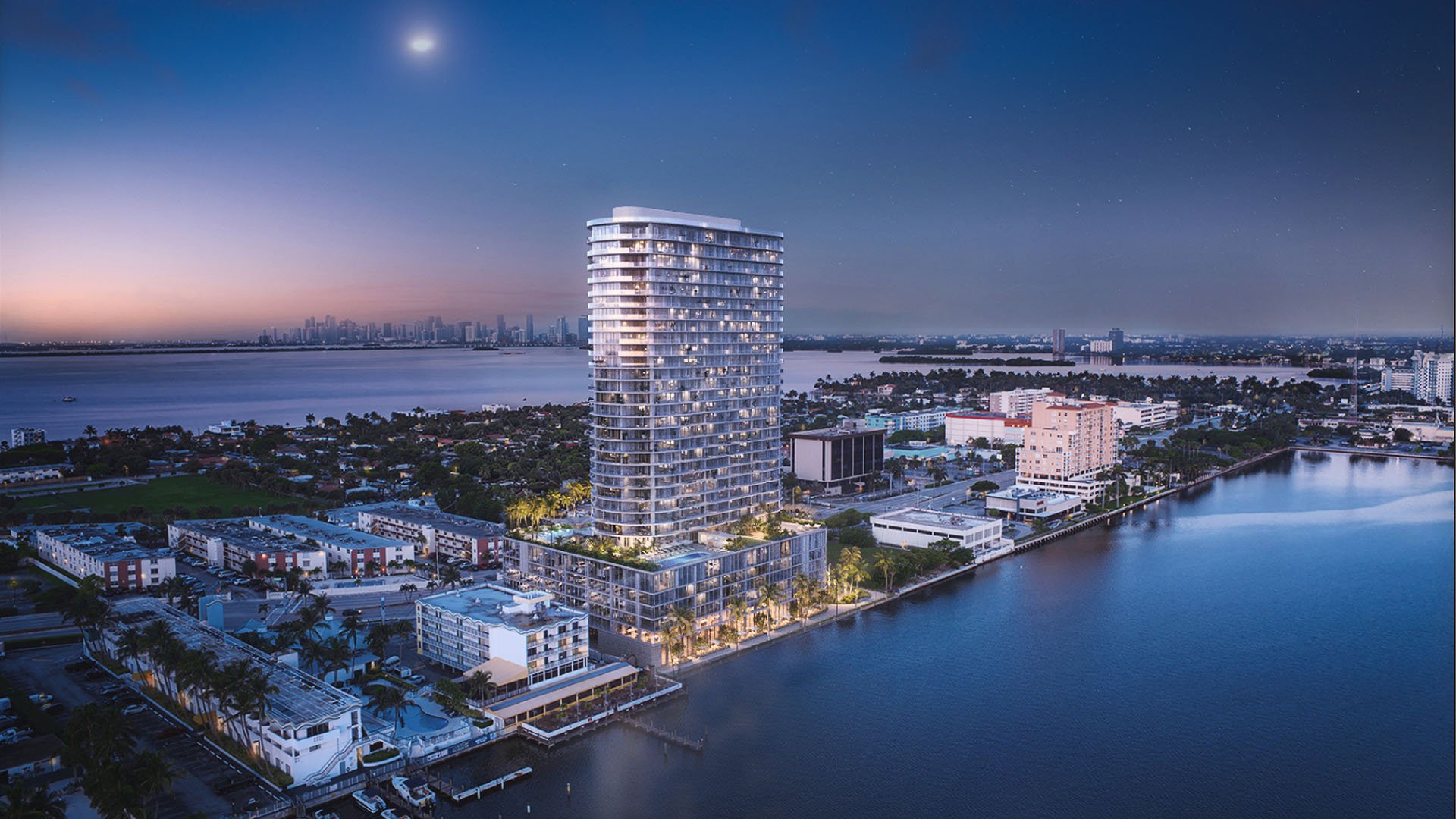
Moving from Westchester County to North Bay Village involves more than choosing a residence and arranging a closing. For Florida property-tax purposes, January 1 is the decisive milestone: you must own the property and occupy it as your permanent residence on that date to qualify for homestead exemption for the tax year. Closing alone does not establish eligibility.
For buyers considering Continuum Club & Residences North Bay Village, that distinction belongs alongside the purchase timetable. The practical question is not simply when ownership begins, but when the residence will become your permanent home.
Treat the purchase as two coordinated calendars. One governs the transaction and move; the other governs ownership, residency, and tax-benefit applications. Aligning them helps prevent a well-planned relocation from resting on an unsupported assumption about its first eligible tax year.
Florida’s homestead exemption reduces a qualifying primary residence’s taxable value and qualifies the home for the Save Our Homes assessment limitation. The benefits are related, but serve different purposes.
The exemption reduces taxable value. Save Our Homes limits future annual increases in assessed value, potentially creating a difference between the property’s just, or market, value and its capped assessed value. That assessment difference is the basis for portability when an eligible owner moves between Florida homesteads.
Neither benefit promises a particular North Bay Village tax bill. A residence’s price, a seller’s historical bill, and a buyer’s future assessment are not interchangeable measures. For a substantial purchase, keep projected ownership costs separate from any benefit not yet confirmed for your circumstances.
If you buy after January 1, your own homestead eligibility generally begins the following tax year, provided you meet the ownership and permanent-residency requirements on that next January 1. The standard application deadline is March 1 of the year for which you request the exemption.
Consider a February 2026 purchase. If the buyer establishes permanent residency by January 1, 2027, meets the requirements on that date, and files on time, the buyer would first qualify for their own exemption for tax year 2027. The standard filing deadline would be March 1, 2027.
The same planning question belongs in a purchase discussion involving Shoma Bay North Bay Village: on which January 1 will you first both own the home and occupy it as your permanent residence? An anticipated closing date is no substitute for that test.
January 1 is the eligibility date, not merely a paperwork target. March 1 is the standard filing deadline, not extra time to establish residency. These dates do not define the only possible submission period; confirm local prefiling or late-filing procedures where relevant.
Portability operates between Florida homesteads. A Westchester County residence does not generate a Save Our Homes assessment benefit that can be transferred to North Bay Village. This is not an interstate transfer of a New York property-tax benefit.
There is, however, an important distinction for households with a longer Florida ownership history. A buyer relocating from New York may have portability eligibility from a separate, previously qualifying Florida homestead, subject to timing and other applicable requirements.
Review that history rather than assuming automatic eligibility or automatic exclusion. Ask whether you previously held a qualifying Florida homestead, what assessment difference may be available, and when that property last qualified. Your immediate departure point does not answer those questions.
Eligible owners may transfer all or part of their Save Our Homes assessment difference to another Florida homestead, up to $500,000. That ceiling describes a reduction in assessed value-not a $500,000 tax credit, refund, or cash payment. It does not mean every applicant receives the maximum.
The timing rule deserves equal attention. The portability window is measured in three tax years from January 1 of the last qualifying homestead year, not three years from the sale’s closing date. A late-year sale does not restart that clock and can leave substantially less than three calendar years to establish the next homestead.
For example, abandoning an old homestead in March 2024 requires establishing the new homestead by January 1, 2027. When coordinating a sale and relocation, work backward from the applicable January 1 rather than forward from the closing anniversary.
The exemption itself does not transfer. The new residence requires its own application, even when an assessment difference is eligible for portability.
North Bay Village buyers apply through the Miami-Dade County Property Appraiser, which also administers portability for the new property. Treat the application as a separate closing follow-up, not an automatic consequence of receiving the deed.
Prepare proof of ownership and permanent residency. Documents may include the deed, driver’s license, vehicle registration, and voter registration, as applicable to the appraiser’s requirements. Confirm which documents your circumstances require rather than treating this as an exhaustive checklist.
Portability is not automatic either. Submit Form DR-501T, Transfer of Homestead Assessment Difference, with the new home’s Form DR-501 homestead application by the applicable March 1 deadline. If you believe a prior Florida benefit is available, identify it early enough to review the qualifying year and filing requirements before the deadline approaches.
For a resale purchase, distinguish the closing-year tax roll from the buyer’s own exemption eligibility. A buyer who purchases after January 1 generally cannot qualify for their own exemption that year. That does not mean the property’s existing tax roll contains no seller-related exemption or assessment limitation.
Do not treat a seller’s bill as your future recurring expense. Nor should you assume that the absence of your own closing-year eligibility answers every question about the current bill. Review those issues separately with the professionals handling the purchase. A property-specific assessment and tax estimate require more than the general rules outlined here.
A second-home purchase and a permanent relocation should not share an assumed homestead budget. Ownership alone is insufficient; the residence must meet the permanent-residency requirement on January 1.
If your search also includes Miami Beach and The Perigon Miami Beach, apply that same test across the shortlist. The project choice does not replace the ownership-and-residency requirement.
Before relying on an exemption, confirm the qualifying January 1, the standard filing deadline, any prior Florida homestead history, and the documents needed for your application. This is a planning framework, not a property-specific tax determination.
For a considered approach to your South Florida residential search, explore MILLION.
If branded residences are on your mind — as a home or as an allocation — we would be glad to share what we are seeing, privately.
Begin a quiet conversationYou must own the property and occupy it as your permanent residence on January 1 of the tax year. Closing alone does not establish eligibility.
A buyer who meets ownership and permanent-residency requirements on January 1, 2027, and files timely would first qualify for their own exemption for tax year 2027.
The standard deadline is March 1 of the tax year for which the exemption is requested. Confirm local prefiling or late-filing procedures if relevant.
Apply through the Miami-Dade County Property Appraiser. That office also administers portability for the new property.
No. Portability transfers eligible Save Our Homes assessment differences between Florida homesteads, not benefits generated by a Westchester County residence.
Yes, a separate, previously qualifying Florida homestead may provide an eligible assessment difference. Timing and other applicable requirements still must be satisfied.
No. The limit concerns an assessed-value reduction, not a tax credit or cash payment, and an applicant may qualify for less than the maximum.
No. It is measured in three tax years from January 1 of the last qualifying homestead year, not from the closing date.
Submit Form DR-501T, Transfer of Homestead Assessment Difference, with the new home’s Form DR-501 homestead application by the applicable March 1 deadline. Neither portability nor the new home’s exemption is automatic.
No. Your eligibility is separate from any seller-related exemption or assessment limitation on the closing-year tax roll, and the seller’s bill should not be assumed to represent your future taxes.