For executives traveling from Tokyo, a South Beach residence should be evaluated as part of the entire journey. Compare departure airports, allow realistic transfer buffers, and verify after-hours access before choosing an address.
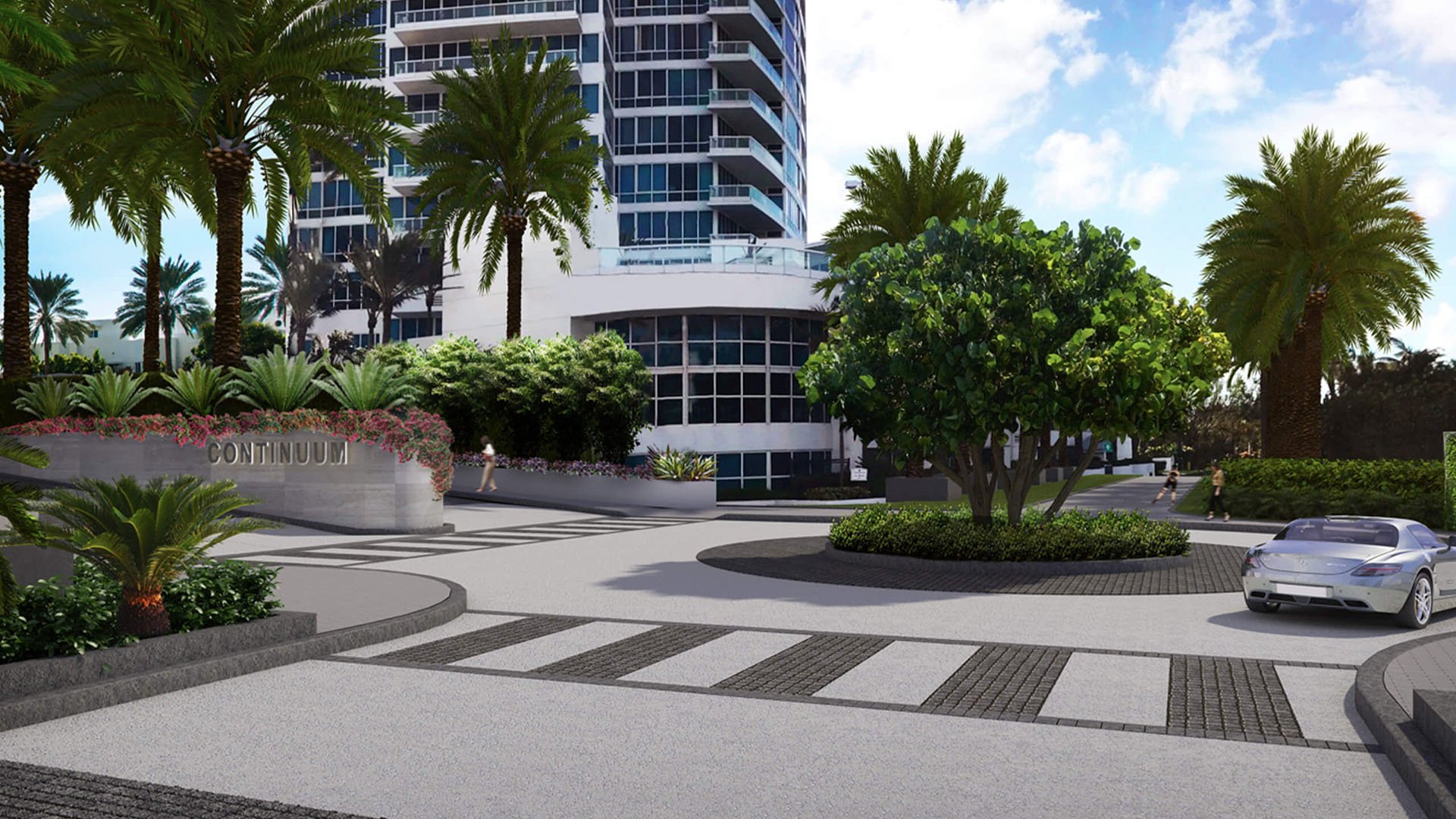
For an executive traveling from Tokyo, the appeal of a South Beach residence extends beyond the view. Its practical value lies in the transition from aircraft to front door, the ease of reaching mainland meetings, and the certainty of gaining entry after a delayed arrival. Those details belong beside architecture and interiors in the purchase brief.
Evaluate the residence against the trip you actually make, not an ideal arrival. A home used for quiet weekends presents a different logistical brief from one supporting consecutive morning meetings in Brickell. In either case, the objective is the same: fewer decisions after a long journey and a schedule that does not require everything to go perfectly.
Begin with three questions: which itinerary works on your dates, how much flexibility the ground transfer requires, and who is responsible for the final handoff at the residence.
The September 2026 route snapshot shows no nonstop Tokyo-Miami service. Plan on a connection for that snapshot, but check availability again for each trip. Both Haneda and Narita have searchable connecting itineraries to Miami; neither should be excluded by habit.
Compare the complete journey from your Tokyo departure address to your Miami residence. Alongside the flight schedule, weigh the connection interval, the cabin available on each segment, and the arrival time relative to the following day's obligations. These are selection criteria, not grounds for declaring one connection hub universally superior.
Published fares are not fixed quotes; prices and availability can change. An economy fare example is not a useful budget benchmark for executive premium-cabin travel. Obtain a date-specific itinerary and cabin-specific price before committing to a travel budget.
For recurring visits, retain the flexibility to use either Tokyo airport. The most useful itinerary fits that visit's commitments, rather than simply looking best in isolation.
Miami International Airport provides a concrete starting point for a South Beach transfer plan. The drive can take approximately 25 minutes in light traffic and around one hour during rush periods. Neither is a guaranteed journey time, and neither includes the interval between landing and being ready to leave the terminal.
If considering another South Florida arrival airport, compare the actual itinerary and onward drive for your dates. Do not assume a different airport offers an easier arrival because one part of the journey looks attractive. Keep the comparison consistent: flight schedule, connection, terminal meeting arrangements, ground journey, and confirmed building entry.
When considering Apogee South Beach, use the exact residence entrance as the endpoint. A general South Beach transfer estimate is useful for orientation, but it should not become a building-specific promise. Ask your driver to confirm the destination and pickup instructions before departure from Tokyo.
Miami's morning rush generally runs from 6:30-9:30 a.m., with the heaviest congestion around 7:30-8:30 a.m. Morning inbound congestion affects Downtown Miami, Brickell, Coral Gables and Doral. For a beach-based executive, the meeting calendar is therefore an essential part of residential due diligence.
Afternoon and evening rush generally runs from 4-7 p.m., peaking around 5-6:30 p.m. Congestion particularly affects traffic leaving Downtown Miami and other major employment centers. Plan the return to the residence as carefully as the morning departure, especially when dinner or another commitment has a fixed start.
A comparison between Continuum on South Beach and a mainland option such as Una Residences Brickell should begin with your weekly pattern, not an unsupported commute ranking. Map your recurring destinations and test representative journeys at the hours you expect to travel. The aim is to identify which address supports your priorities, not to presume that either eliminates congestion.
For peak-season travel, use date-specific checks rather than adding an arbitrary seasonal penalty to every journey. General rush-hour windows provide useful context, but they are not event-specific transfer forecasts. Reconfirm road conditions and any relevant access instructions close to arrival, then allow flexibility before fixed appointments.
Separate the arrival day from the first essential business commitment wherever the calendar permits. If that is not possible, leave room between the expected airport exit and the meeting. Apply the same discipline on departure: the light-traffic airport drive should never be the sole basis for deciding when to leave home.
For a Miami Beach search that includes Five Park Miami Beach, ask how the intended arrival date affects the approach to the residence. This is a request for current instructions, not an assumption about closures, priority access or a faster route. Keep the plan specific enough for a driver to follow and flexible enough to revise.
Treat secure late-night arrival as an operating procedure to verify, not an amenity inferred from a property's positioning. Ask management to walk through an arrival outside normal daytime hours, including what happens if the flight is delayed and the expected arrival window changes.
Confirm who authorizes entry, how resident identity is established, and whether advance notice is required. Ask separately about overnight reception staffing, garage access controls, elevator restrictions and the location where passengers and luggage may be unloaded. These are due-diligence questions, not verified features of the residences discussed here.
Coordinate chauffeur arrangements with the same precision. Agree on driver identification, flight monitoring, the terminal meeting point, and a backup arrival contact. Establish how changes will be communicated and who can resolve an access problem if the primary contact cannot be reached.
Request written instructions and review them before each visit. The goal is a clear handoff from driver to authorized building contact, without relying on an untested assumption at the end of an international journey.
Before selecting a residence, assemble a simple arrival brief: preferred and alternate Tokyo departures, the booked itinerary, ground-transfer arrangements, building-entry instructions, and the next day's obligations. Review it against both an ordinary visit and a delayed arrival.
A compelling residence should support the life you intend to lead there. For the Tokyo-based executive, that means balancing the pleasure of South Beach with realistic travel allowances and confirmed access procedures. Design and outlook remain central, but the ability to arrive with a clear plan deserves equal attention.
Explore a residence strategy shaped around your international travel with MILLION.
If branded residences are on your mind — as a home or as an allocation — we would be glad to share what we are seeing, privately.
Begin a quiet conversationThe September 2026 route snapshot shows no nonstop service. Plan around a connection for that snapshot and recheck availability for your travel dates.
Yes. Both airports have searchable connecting itineraries to Miami, so compare the complete journey from your Tokyo address to the residence.
An economy fare example is not a benchmark for executive premium-cabin travel. Obtain a date-specific, cabin-specific price because fares and availability can change.
The drive can take approximately 25 minutes in light traffic and around one hour during rush periods. Those estimates are not guarantees and do not include the time needed to leave the terminal.
Morning rush generally runs from 6:30–9:30 a.m., with the heaviest congestion around 7:30–8:30 a.m. Inbound congestion affects Downtown Miami, Brickell, Coral Gables and Doral.
The general window is 4–7 p.m., peaking around 5–6:30 p.m. Traffic leaving Downtown Miami and other major employment centers is particularly affected.
No. Compare the actual flight itinerary, onward drive, pickup arrangements and residence access for your dates rather than assuming another airport will be easier.
Check date-specific road conditions and access instructions close to arrival, and preserve flexibility before fixed commitments. Do not turn general rush-hour estimates into event-specific forecasts.
Confirm after-hours entry authorization, overnight staffing, garage controls, elevator restrictions and unloading arrangements. Treat these as questions for management, not assumed amenities.
Include driver identification, flight monitoring, the terminal meeting point, residence-entry instructions and a backup arrival contact. Agree on how delays and access problems will be communicated.