For a Seoul-based buyer, a South Florida acquisition depends on more than choosing when to convert won into dollars. A strong closing plan aligns bank documentation, English-language proof of funds, U.S. account records, escrow deadlines, and independently verified wire instructions.

For a Seoul-based purchaser, acquiring a South Florida residence is both a real-estate transaction and a carefully documented movement of capital. The exchange rate matters, but so do the purchase contract dates, the Korean bank’s review process, the receiving U.S. account, and the title or escrow agent’s funding deadline. A favorable conversion has little practical value if the dollars cannot arrive as cleared, traceable funds when required.
The practical approach is to distinguish the discretionary currency decision from the mandatory closing calendar, then coordinate both from the outset. Whether the objective is an investment, a second home, or a future primary residence, the buyer should establish who approves each transfer, which documents each institution expects, and how every movement will be recorded.
The cleanest closing file tells one continuous story from the Korean source account to Florida escrow.
Before setting a remittance schedule, consult the Korean bank that will handle the foreign-exchange transaction and confirm its current process for an overseas real-estate acquisition. Ask which source-of-funds records, transaction documents, translations, declarations, or account details the bank will require.
Requirements can vary and may change, so the buyer should obtain current guidance directly from the bank and appropriate Korean tax or legal advisers rather than work backward from a Florida closing date. This early review helps identify documentation issues while there is still time to resolve them.
At the same stage, identify the U.S. account intended to receive the funds and confirm that its ownership details align with the purchaser named in the transaction. If an LLC, trust, or corporation will sign the contract, prepare the relevant entity records and documents connecting the beneficial owners to the capital.
A South Florida seller may request evidence that a cash buyer has sufficient liquid funds to complete the proposed acquisition. Depending on the transaction, a proof-of-funds package may include a signed bank letter, recent bank or brokerage statements, a private-bank or wealth-manager letter, or an escrow or attorney trust-account statement when funds have already been positioned for the purchase.
A bank letter should be current, clear, and suitable for verification. It can identify the buyer and financial institution, confirm sufficient liquid purchasing capacity, state the issue date, and provide an appropriate bank contact. Sensitive account information can be handled carefully, but the document must give the seller’s representatives enough information to assess the offer.
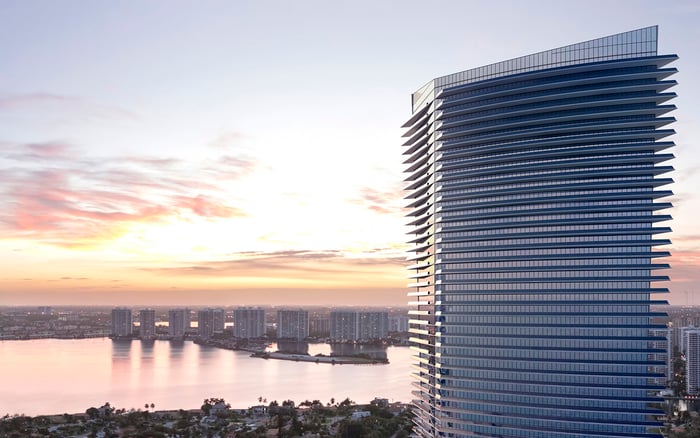
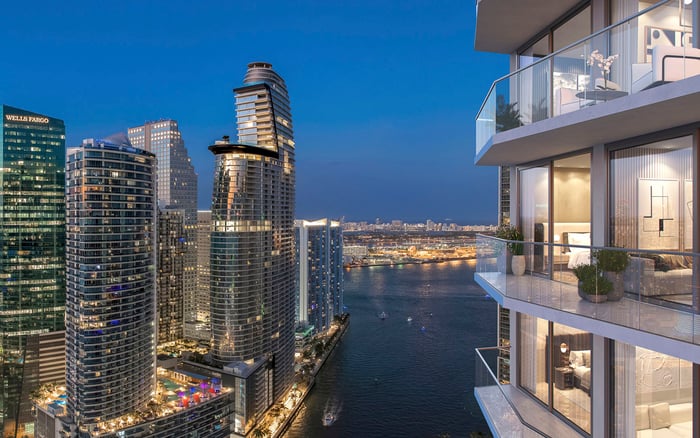
This preparation should precede property selection, whether the search centers on The Residences at 1428 Brickell in Brickell or The Perigon Miami Beach in Miami Beach. The preferred residence may change during negotiations, but a clear and credible financial file remains useful throughout the search.
If a bank, lender, attorney, title agent, or other transaction participant requests English translations of Korean-language records, each translation should follow the source document closely. Account names, dates, amounts, currencies, transaction descriptions, stamps, and page references should remain consistent across the original and translated versions.
Prepare a working file combining recent statements, bank letters, asset-sale evidence when applicable, wire receipts, requested translations, and concise explanations connecting each stage of the funds path. If the purchase capital came from the sale of an asset, retain the sale contract, settlement records, evidence that the proceeds entered the source account, and the onward-transfer records.
For a financed acquisition, request the lender’s written foreign-asset and source-of-funds checklist before moving substantial capital. The lender may seek records from both the originating Korean account and the receiving U.S. account, with the buyer’s name and account information visible. Income, business finances, gifts, or asset-sale proceeds may require further substantiation depending on the file.
Foreign-exchange timing involves two calendars. The first is strategic: when the buyer prefers to convert won into dollars. The second is operational: when earnest money and the closing balance must arrive. Once the purchase contract is signed, its funding deadlines govern the transaction.
A prudent plan identifies the amount needed for the deposit, the expected closing balance, and any documented reserve or financing requirement. It also allows time for bank review, document preparation, transmission, receipt, and reconciliation. Moving substantial funds during underwriting may lead to additional requests for records, so the transfer sequence should be discussed with the lender when financing is involved.
A documented sequence, such as earnest money followed by the closing balance, can help the relevant banks and closing professionals reconcile each transfer. Preserve the sending-bank receipt, receiving-bank confirmation, and account record showing the corresponding incoming wire. Buyers considering St. Regis® Residences Sunny Isles in Sunny Isles Beach or Four Seasons Residences Coconut Grove should treat this recordkeeping as part of the acquisition rather than an administrative afterthought.
Cross-border closings benefit from a shared calendar covering the buyer, real-estate adviser, Korean bank contact, U.S. bank, lender if applicable, and title or escrow professional. Record the contract’s deposit and closing dates, expected document-review periods, planned conversion and remittance dates, and the date by which cleared funds must reach escrow.
Assign responsibility for each document and approval. The buyer’s legal name or purchasing entity should remain consistent throughout the file, and any discrepancy should be resolved before money is transmitted. Maintain a secure folder containing the executed contract, proof-of-funds materials, statements, translations, source-of-funds evidence, entity records, transfer receipts, receiving confirmations, and explanatory notes.
Wire security requires a dedicated protocol. Obtain instructions through an independently established channel and verify them using trusted contact details before sending earnest money or the closing balance. Do not rely solely on an emailed change to payment instructions. After transmission, promptly confirm receipt with the closing professional and preserve that confirmation.
Before the contractual funding deadline, review the funds chain in full. Confirm that the Korean bank has the requested source documentation, the U.S. receiving account is correctly titled, translated records match their originals, and every transferred amount can be reconciled. For a financed purchase, confirm with the lender that recent account activity has been documented appropriately.
The objective is not simply to demonstrate financial capacity. It is to present liquidity, identity, and provenance in a form the transaction participants can review. Done well, the process supports a credible offer, a coherent financing file when applicable, and a secure path to cleared closing funds.
For discreet guidance on coordinating your South Florida search with a transaction-ready purchase plan, connect with MILLION.
If branded residences are on your mind — as a home or as an allocation — we would be glad to share what we are seeing, privately.
Begin a quiet conversationContact the bank before setting the remittance schedule or relying on a Florida closing date. Confirm its current documentation and review process directly.
Possible documents include a signed bank letter, recent bank or brokerage statements, a private-bank letter, or an escrow or attorney trust-account statement.
It can identify the buyer and institution, confirm sufficient liquid capacity, show the issue date, and provide an appropriate verification contact.
Provide English translations when requested by a bank, lender, attorney, title agent, or other transaction participant. The translations should remain consistent with the source records.
A lender may request statements from the originating Korean account and the receiving U.S. account, along with documents explaining the source and movement of funds.
Keep the sale contract, settlement records, evidence that the proceeds entered the source account, and records of the onward transfer.
Account movements during underwriting may lead to additional documentation requests. Discuss the planned transfer sequence before moving funds.
They can be sent in a documented sequence if that approach fits the contract and bank process. Preserve the records for each transfer.
Transaction participants may request entity records and evidence connecting the beneficial owners to the purchase funds. Names should remain consistent across the file.
Verify instructions through a trusted telephone number or secure channel established independently before sending funds. Confirm receipt with the closing professional afterward.