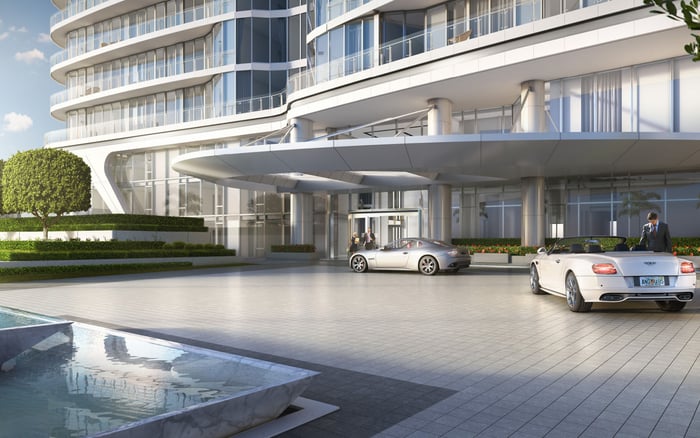
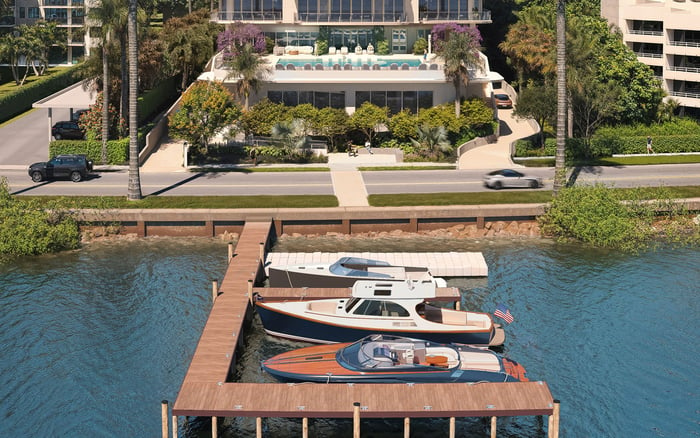
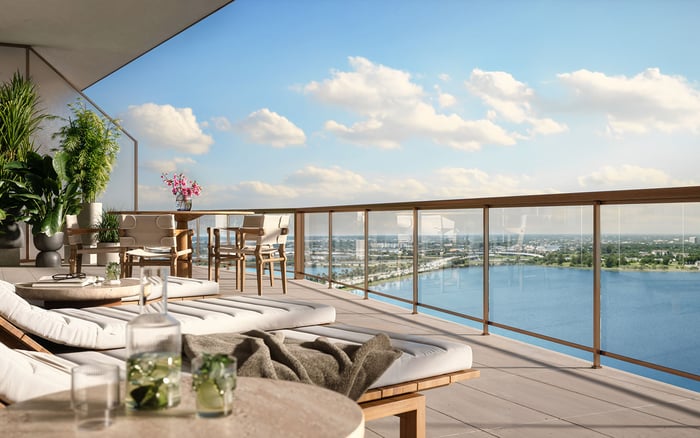
A practical framework for Riyadh-based buyers evaluating South Flagler Drive residences: confirm aviation arrangements, test the complete arrival sequence, and put owner-absence services in writing.
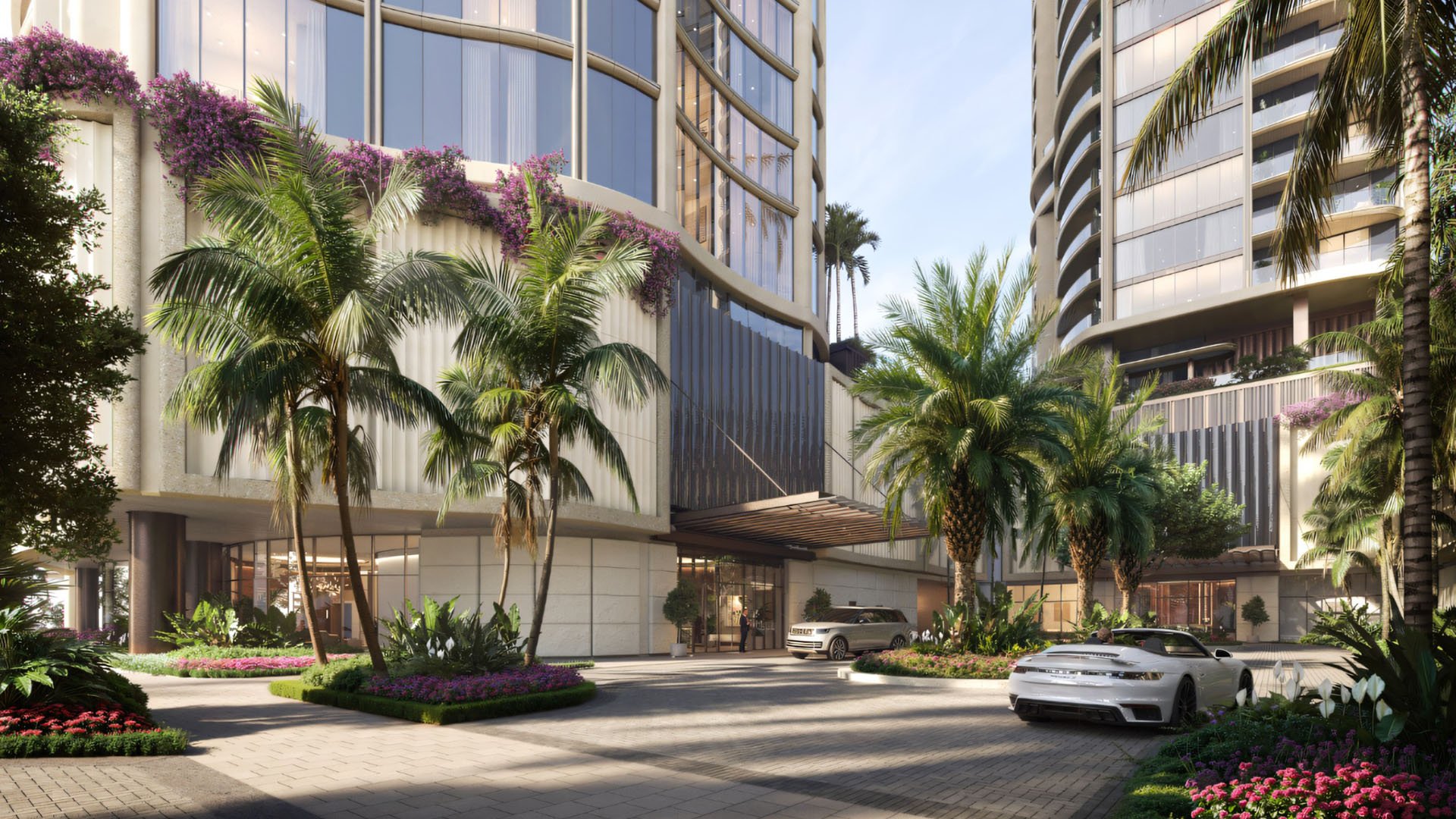
For a Riyadh-based household considering South Flagler Drive, the purchase decision extends beyond a waterfront floorplan and an elegant entrance. The real test is whether the residence works after a long international journey, during a brief stay, and through an extended absence. A beautiful apartment and a dependable arrival experience are separate propositions. Both deserve scrutiny before commitment.
Treat the journey as one continuous sequence: the aircraft mission, South Florida arrival formalities, baggage and vehicle coordination, and access to the residence. Then examine the reverse sequence when the owner leaves. For buyers considering West Palm Beach as a recurring base, this approach turns an appealing second home into a practical ownership decision.
Ask the flight department or charter operator to assess the journey for the actual passenger count, baggage, dates, and South Florida destination. Neither a nonstop mission nor a one-stop itinerary should be the default. The buyer’s priority is a workable plan with clear responsibility for revisions.
Confirm handling and passenger-access arrangements for the intended itinerary rather than relying on general assurances. Ask who will coordinate changes affecting the South Florida arrival window and communicate them to the driver and residence team. Keep terminal access and passenger-clearance arrangements as items requiring confirmation, not assumed privileges of private aviation.
Have the operator propose and confirm the South Florida arrival airport, handling arrangements, passenger-clearance process, parking, and any applicable scheduling restrictions. Do not base the purchase decision on an assumed airport service offering or a promised airport-to-door transfer time.
The ground plan should identify where passengers meet the driver, who takes responsibility for baggage, and how the driver receives an updated release time. Ask what happens if the flight arrives outside the planned window or the vehicle cannot wait at the intended location. These are coordination questions, not assurances that a particular access arrangement exists.
Keep the residence team in that communication chain. A driver reaching the correct building is only one milestone; approved entry, luggage handling, and access to the apartment complete the journey. Request a fallback contact for each handoff so a late arrival does not depend on one person answering the telephone.
A trial arrival is useful buyer due diligence, not a guarantee of future travel times. Schedule it for the day and arrival window the household expects to use, ideally during anticipated heavy demand. If practical, repeat the exercise under different traffic conditions rather than letting one unusually smooth transfer define expectations.
Record touchdown, completion of passenger clearance, baggage handoff, vehicle staging, departure from the airport, and arrival at the building. Record apartment access separately. This distinguishes road congestion from delays elsewhere in the arrival sequence.
Use the intended vehicle arrangement and a realistic luggage load. Note whether passengers and bags travel together, where waiting occurs, and who resolves a missed connection between handler and driver. A quiet walkthrough of the entrance cannot substitute for testing the full handoff.
If the residence is unavailable for a live test, time only the portions that can be completed and leave the remaining steps as items to confirm. Access to a sales gallery is not a demonstrated residential arrival. Review the log with the operator, driver, and property representative, then document any proposed changes.
When evaluating South Flagler House West Palm Beach, ask for a clear distinction between the residence’s suitability for seasonal use and any contracted owner-absence services. Lock-and-leave language alone does not establish an included program of inspections, maintenance, or preparation before an owner returns.
Apply the same test to Forté on Flagler West Palm Beach. Building scale alone establishes neither service coverage nor arrival efficiency. Request written confirmation of the services available for the intended occupancy date and identify any arrangements the owner must make separately.
Use the same operating questionnaire if the search broadens to Alba West Palm Beach. Compare written answers rather than assuming different buildings offer equivalent owner-absence support.
Before treating any residence as lock-and-leave, request a written service schedule. Distinguish association responsibilities from included building services, optional paid services, and tasks requiring an owner-appointed property manager. For each relevant task, ask for the responsible party, frequency, fee, and escalation procedure.
The schedule should address overnight staffing, owner-absence inspections, delivery handling, authorized unit access, vehicle storage, and storm procedures. For inspections, request a defined scope and a record of each visit. For access, establish who may authorize entry, how vendors are admitted, and how completed work is documented.
Storm preparation deserves its own allocation of responsibilities. Ask who communicates with the owner, who can enter the residence, what actions require advance approval, and how post-event checks are arranged. Confirm that these procedures align with building rules and the owner’s insurance requirements. A general assurance that someone will look after the apartment is not an operating agreement.
Before purchase, assemble an arrival plan, a tested transfer log, and a written absence-service schedule. Add departure instructions covering access permissions, outstanding deliveries, and preparation for the next visit. The objective is not to eliminate every disruption, but to know who acts when circumstances change.
Choose the residence whose operating arrangements support the household’s actual pattern of use, not simply the one with the most appealing presentation. For a discreet assessment of South Flagler Drive ownership priorities, connect with MILLION.
If branded residences are on your mind — as a home or as an allocation — we would be glad to share what we are seeing, privately.
Begin a quiet conversationAsk the operator to confirm the arrival airport, handling, passenger clearance, parking, and applicable scheduling restrictions. Match the plan to the actual itinerary rather than assumed access privileges.
Neither should be assumed. Ask the operator to assess the actual aircraft, passenger count, baggage, dates, and destination.
Identify a responsible contact with the operator and establish how updates reach the driver and residence team. Request fallback contacts for each handoff.
Use a trial arrival rather than a fixed promise. Measure the complete sequence, including passenger clearance, baggage handling, vehicle staging, and building access.
Record touchdown, completion of passenger clearance, baggage handoff, vehicle staging, airport departure, and building arrival. Track apartment access separately.
Time only the portions that can be completed and document the remaining steps for confirmation. A sales-gallery visit does not demonstrate residential arrival access.
Use the same written questionnaire for arrival access, service coverage, and owner-absence responsibilities. Do not treat building scale or presentation as proof of operating support.
No; the description alone does not establish an included service package. Request written confirmation of inspections, maintenance, and arrival preparation.
Confirm overnight staffing, inspections, delivery handling, authorized unit access, vehicle storage, and storm procedures. Identify who performs each task, its frequency, any fee, and the escalation contact.
Clarify owner communications, entry authorization, advance approvals, and post-event checks. Confirm alignment with building rules and the owner’s insurance requirements.