A considered move from Beverly Hills to Fisher Island requires more than aligned closing dates. Compare sale-first, bridge-funded, and sale-contingent strategies while coordinating liquidity, financial documentation, and property-specific approvals.
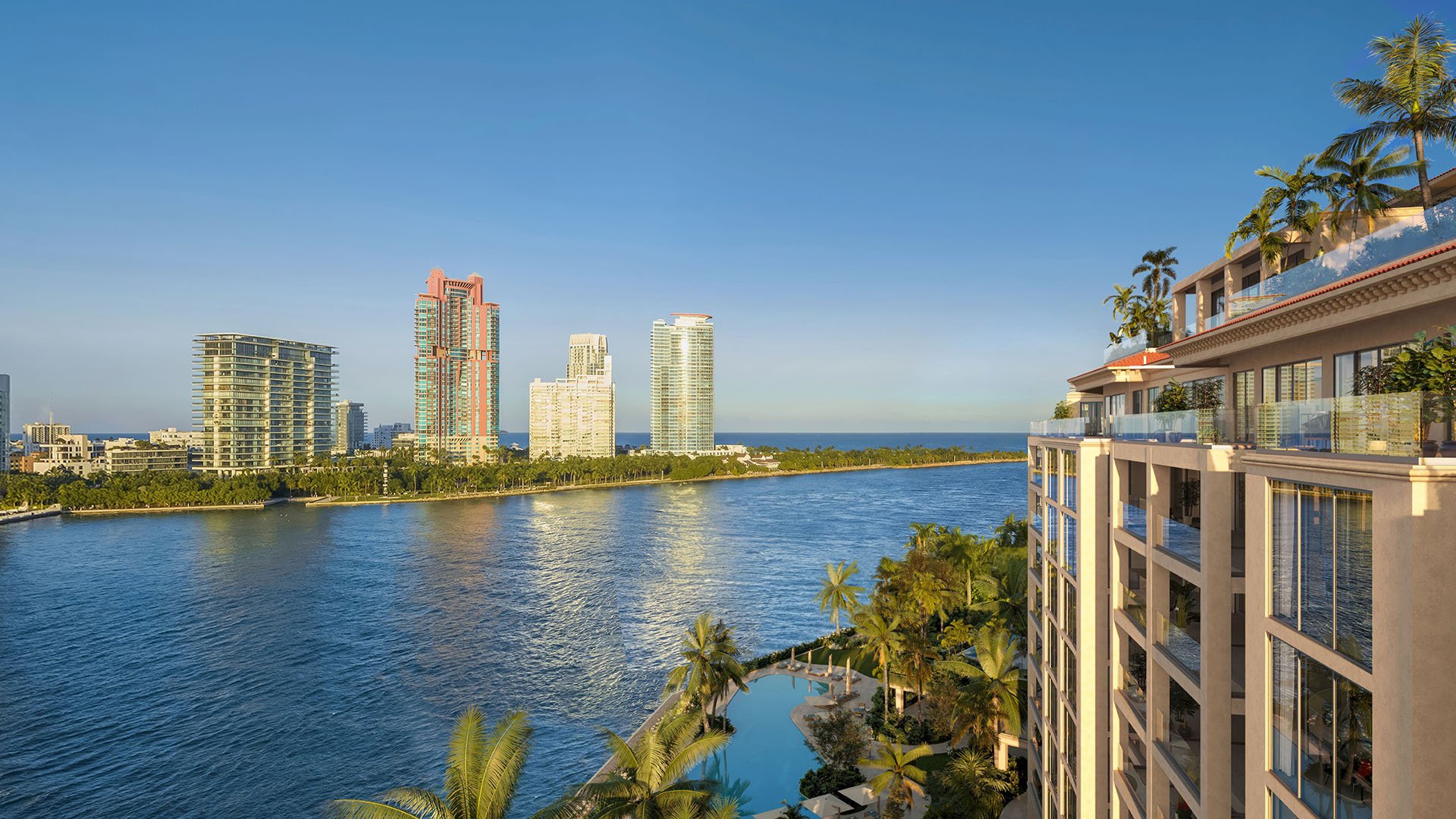
A move from Beverly Hills to Fisher Island is best approached as two transactions with separate dependencies, not a seamless exchange. The California residence must produce usable proceeds; the Florida purchase must satisfy its own contractual, financial, and approval requirements. The most elegant transition is not necessarily the fastest. It is the one that preserves choice when either timetable shifts.
For buyers narrowing a Miami Beach search to Fisher Island, residence selection and capital planning should advance together. A shortlist that includes Palazzo del Sol Fisher Island should prompt an early question: will the purchase depend on completed sale proceeds, independently available liquidity, or a negotiated sale contingency?
These are three distinct strategies, not a ranking. Each assigns timing risk differently.
For the Beverly Hills sale, a four-to-six-month planning window can serve as a working estimate, including roughly four to six weeks of preparation and six to ten weeks of marketing. It is not a promise of execution. Financed transactions commonly take 30-45 days to close, while straightforward cash transactions may close within a few days to two weeks. Neither closing range replaces the time needed for preparation and marketing.
Fisher Island adds a separate approval calendar. A purchase can require both condominium-association approval and Fisher Island Club membership review, including financial verification and background checks. Cash availability does not eliminate those requirements.
For overseas buyers, allowing 45-90 days can accommodate association and club approvals, bank identity checks, and international wires. This is a planning allowance for that buyer profile-not an island-wide contractual deadline or a default for a domestic relocation.
Before agreeing to dates, have the relevant association, club, lender, and closing agent confirm the requirements for the intended purchase.
Selling Beverly Hills first prioritizes clarity. Once proceeds are received and available, the Florida budget can rest on actual liquidity rather than an expected sale price. The trade-off is residential continuity: temporary housing may be preferable to forcing two closings into the same narrow window.
A completed sale and spendable proceeds are not the same thing. California’s good-funds rule distinguishes money sitting in a buyer’s account from funds received and available for escrow disbursement. For a sale-funded purchase, ask the California closing agent when proceeds can be released and the Florida closing agent when incoming funds must be received and available.
Build the transition around those confirmations, not simply the date printed on the California contract. A practical buffer lets the household choose its next residence without making the move depend on perfectly synchronized disbursements.
A California bridge loan can provide purchase liquidity before the departing residence sells. Its strategic value is flexibility: the buyer can pursue the next home without waiting for sale proceeds. The risk remains the timing and price of the California sale.
Before offering on Palazzo della Luna Fisher Island, for example, establish bridge capacity rather than assuming substantial home equity will translate into immediately available funds. Ask the lender to distinguish preliminary capacity from a commitment subject to conditions-and from the point at which proceeds can actually fund.
Prepare existing mortgage information, bank or brokerage statements, the purchase contract, the departing property’s listing agreement, insurance, identification, and applicable trust or entity documents. A lender may request the most recent two months of asset statements to assess reserves and the ability to carry interest-only payments. Confirm the actual documentation standard.
Test the budget against a delayed sale and lower proceeds. Include overlapping ownership costs, bridge interest, closing expenses, and a contingency reserve. Bridge liquidity changes when a purchase can occur. It does not remove the financial consequences of a slower sale.
A third approach makes the Fisher Island purchase contingent on the California sale. This keeps the funding dependency explicit rather than treating anticipated proceeds as available cash.
Counsel should define the sale deadline, extension rights, termination mechanics, and any seller right to continue marketing. The objective is to make the consequences of delay clear before either party commits.
For a contemplated purchase at The Residences at Six Fisher Island, discuss the actual contract and transaction stage with counsel rather than importing assumptions from another property. A contingency, if accepted, must fit the purchase being negotiated. It does not replace confirmation of deposit obligations, approval requirements, or funding deadlines.
Financial preparation should begin before the offer. Bring proof of funds or a recent mortgage preapproval appropriate to the intended price range to initial consultations and showings. These documents serve different purposes and should be described accurately.
Available cash, illiquid net worth, mortgage preapproval, and a bridge commitment are not interchangeable. A financial statement can describe wealth without demonstrating that purchase funds will be accessible on the required date. A financing document may remain conditional.
Use a staged documentation plan:
Before showings: establish the price range and identify the intended source of purchase funds.
Before offering: confirm what financial evidence the seller requires and what conditions remain on financing.
During applications: assemble the signed contract, deposit documentation, personal financial statement, proof of funds, membership paperwork, background information, and references as required.
Before closing: confirm that funding conditions are satisfied and that funds will be received and available when required.
Ask each recipient what evidence and statement dates it accepts. Do not assume a single financial package satisfies the seller, lender, association, and club.
Fisher Island has multiple condominium associations. Identify the association governing the particular unit rather than assuming an island-wide approval process. Before signing, request its declaration, bylaws, rules, latest annual financial statement, annual budget, and Frequently Asked Questions document in writing.
Request application requirements, screening procedures, approval authority, and restrictions affecting occupants, guests, leasing, renovations, pets, vehicles, and staff. If the search also includes The Links Estates at Fisher Island, verify that property’s governing documents rather than carrying over condominium assumptions.
For a financed condominium purchase, lender approval extends to the project as well as the borrower. Insurance, reserves, litigation, or structural-document issues can add time. Separately, obtain the current Fisher Island Community Association charge schedule and building-level HOA charges in writing before offering.
The final decision should rest on a coordinated calendar: when California proceeds become usable, when Florida approvals can be completed, and how long the household can comfortably carry a delay. Treat tax residency as a separate matter for qualified counsel, not a conclusion established by the Florida closing date.
For a considered approach to your next South Florida residence, explore MILLION.
If branded residences are on your mind — as a home or as an allocation — we would be glad to share what we are seeing, privately.
Begin a quiet conversationThe three approaches are selling first, buying first with bridge liquidity, and negotiating a purchase contingent on the California sale. Each places timing and funding risk differently.
Four to six months can serve as a planning estimate, including preparation and marketing. Actual timing depends on the transaction, so it should not be treated as a guaranteed sale window.
No. A purchase can still require condominium-association approval and Fisher Island Club membership review, including financial verification and background checks.
No. That range is a planning allowance for overseas buyers managing approvals, bank identity checks, and international wires, not a universal contractual deadline.
The strategy remains exposed to the California home’s sale timing and price. A delayed sale can extend interest expense and overlapping ownership costs.
Requests may include mortgage information, asset statements, the purchase contract, a listing agreement, insurance, identification, and trust or entity documents. Confirm the lender’s specific requirements, including how recent statements must be.
No. Preapproval concerns potential financing, while proof of available cash concerns accessible funds; neither illiquid net worth nor a conditional bridge commitment should be presented as cleared cash.
Fisher Island has multiple condominium associations, so buyers must verify the governing documents, application requirements, and approval procedures for the particular unit.
The lender must also approve the condominium project. Insurance, reserves, litigation, or structural-document issues can add time.
Request the current Fisher Island Community Association charge schedule and the building-level HOA charges in writing. Include these costs in the ownership budget and any overlapping-carry calculation.