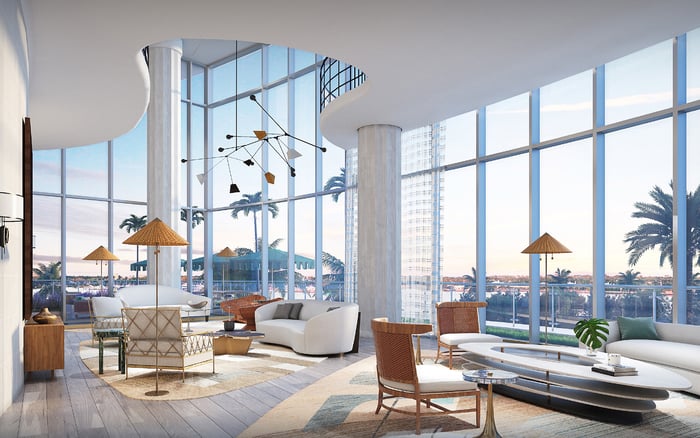
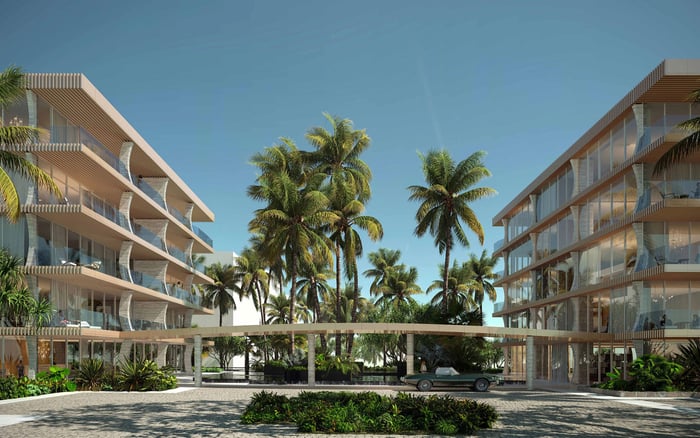
A buyer-focused framework for comparing private dining, catering access, event formats, and operating restrictions at Forté on Flagler and South Flagler House in West Palm Beach.
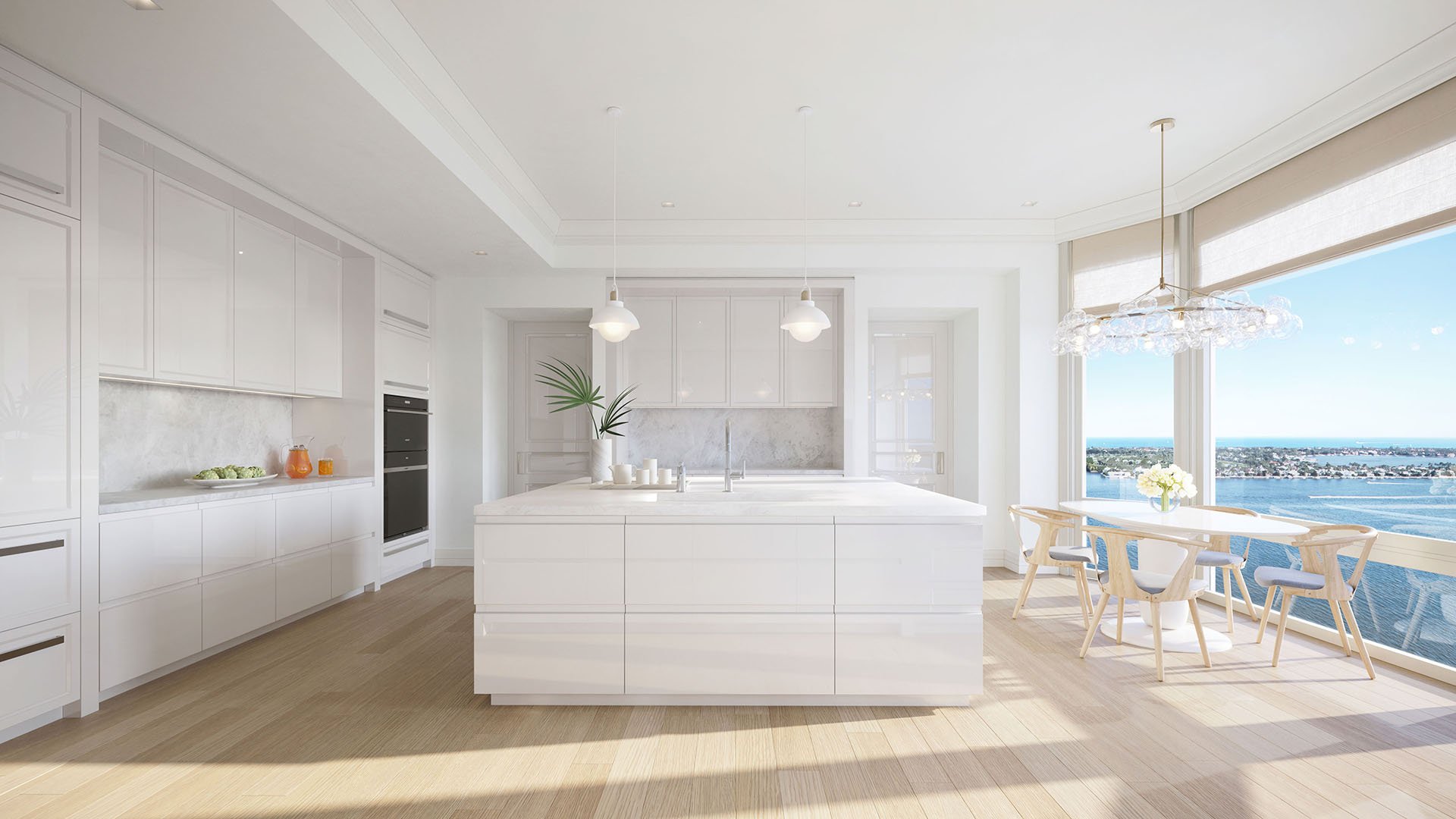
Buyers comparing Forté on Flagler West Palm Beach and South Flagler House West Palm Beach should look beyond amenity names. The practical questions concern how a private dining space may be reserved, how catering is handled, which event formats are permitted, and what restrictions apply.
The same review can help buyers navigating other West Palm Beach projects, including Alba West Palm Beach and The Ritz-Carlton Residences® West Palm Beach. An amenity description should begin the inquiry rather than replace written confirmation.
A private dining room is useful only when its layout and operating rules fit the owner’s preferred style of entertaining. Buyers should ask about seated capacity, accessibility, privacy, furniture arrangements, adjacent gathering areas, service circulation, setup periods, cleanup responsibilities, and permitted hours.
It is also important to distinguish exclusive-use space from a shared resident amenity. A room may be available for reservations, subject to limited booking windows, or governed by rules that affect frequency and duration. Buyers should request the current terms rather than infer access from marketing language or imagery.
The presence of a kitchen or food-service area does not by itself establish what residents or outside vendors may do there. Buyers should determine whether food may be cooked, finished, plated, or only delivered; whether an outside chef or caterer is permitted; and whether building staff must supervise access.
Vendor requirements deserve equal attention. Relevant questions include insurance documentation, delivery procedures, loading access, approved-vendor rules, staffing requirements, waste removal, cleaning, and responsibility for damage. Alcohol service may also be governed separately from food service and should be confirmed in writing.
A seated dinner, tasting, reception, family celebration, and catered gathering may each be treated differently under a property’s rules. Buyers should explain the events they expect to host and ask management to describe which spaces, services, and restrictions apply to each format.
Adjacent terraces, lounges, pool areas, and other shared spaces should never be assumed to form part of a private reservation. Confirm whether guests may circulate beyond the reserved room, whether doors may remain open, and whether music, decorations, florals, candles, photography, or hired entertainment are permitted.
Before purchase, request the current condominium documents, house rules, amenity reservation agreement, fee schedule, and vendor requirements. Review reservation lead times, deposits, cancellation terms, cleaning charges, security costs, staffing fees, guest registration, event frequency, operating hours, and consequences for rule violations.
Prospective owners should also ask whether policies can change and which governing body or management team administers them. Any term important to the purchase decision should be verified through the appropriate documents and professional advisers.
The most useful comparison begins with the household’s real calendar. A buyer who mainly hosts small dinners may prioritize privacy, straightforward reservations, and predictable service. A buyer planning varied gatherings may place more weight on flexible layouts, vendor access, adjoining spaces, and event administration.
Neither design language nor an amenity list can answer every operational question. The stronger fit is the residence whose documented rules, available spaces, and service model align with the buyer’s expected events and tolerance for fees or restrictions.
What should buyers compare first when evaluating private dining? Start with intended use, reservability, capacity, privacy, permitted hours, and the services included with a booking.
Does a private dining amenity guarantee exclusive use? Not necessarily. Buyers should confirm whether the room can be reserved exclusively and under what conditions.
Does a catering kitchen guarantee access for an outside chef? No. Kitchen access, permitted activities, supervision, and outside-vendor rules require written confirmation.
Which catering documents should buyers request? Ask for current vendor requirements, insurance standards, delivery procedures, approved-vendor rules, and applicable fees.
Can an event use an adjoining terrace or lounge? Buyers should not assume so. Each adjoining area may have separate reservation and guest-access rules.
Which event costs should be reviewed? Review deposits, reservation charges, staffing, security, cleaning, cancellation costs, and possible damage assessments.
What guest restrictions may apply? Properties may regulate registration, access, attendance, conduct, and permitted hours, so current rules should be checked.
Why should alcohol service be reviewed separately? Food service and alcohol service may be governed by different requirements, including staffing or vendor conditions.
Can amenity policies change after purchase? Policies may be subject to amendment, so buyers should ask how rules are adopted, administered, and updated.
How should a buyer decide between the two projects? Compare the documented operating rules and available event formats with the gatherings the household actually expects to host.
For a confidential assessment and a building-by-building shortlist, connect with MILLION.
If branded residences are on your mind — as a home or as an allocation — we would be glad to share what we are seeing, privately.
Begin a quiet conversation