Comparing Fort Lauderdale and West Palm Beach for family living requires a school-first search, real-world route testing, and a residence-level review of privacy and accessibility. The strongest choice is the home that supports each household member’s daily routine without compromising shared space or independence.
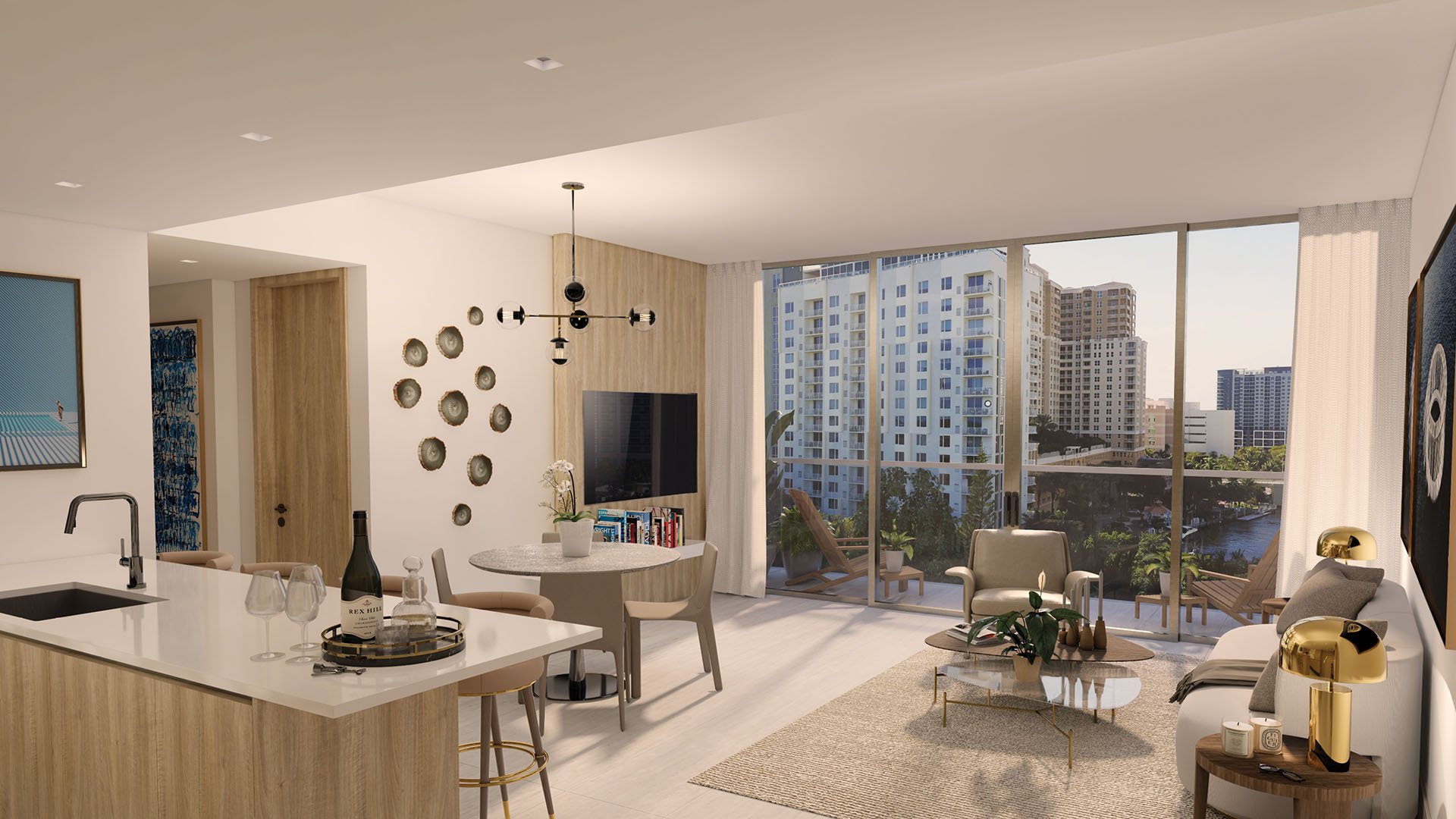
For family buyers comparing Fort Lauderdale and West Palm Beach, the most useful starting point is not a broad preference for one city. It is a clear map of the household’s daily obligations. School locations, work commitments, activities, medical appointments, caregiving responsibilities, and social routines all influence whether a residence will function smoothly.
Private-school planning deserves particular attention because the preferred school may define the practical search area. Families should confirm the relevant campus, expected arrival and dismissal routines, transportation options, and any differences between children’s schedules before narrowing the property list. A residence that appears convenient on a map may feel very different during a full school week.
The strongest address is the one that protects family time while preserving individual privacy.
Multigenerational households add another layer. Grandparents, adult children, guests, caregivers, or staff may need spaces that are connected to the main home but not dependent on constant use of the same rooms and circulation paths. The city comparison therefore needs to happen alongside a detailed review of each residence.
A Fort Lauderdale search can begin with residences that support a more central routine or expand outward according to the family’s chosen school and space requirements. The correct approach depends on which obligations must remain close together and which can tolerate a longer drive.
Families considering condominium living can place Four Seasons Hotel & Private Residences Fort Lauderdale and St. Regis® Residences Bahia Mar Fort Lauderdale on an initial review list. Their inclusion should prompt residence-specific questions rather than assumptions: Does the available floor plan separate primary and secondary sleeping areas? Is there enough shared space for the household to gather comfortably? Can family members enter, leave, work, and rest without disrupting one another?
Buyers should compare candidate homes against the same operating plan. That means testing school travel, work travel, after-school activities, and weekend obligations from each address. If siblings attend different campuses, the analysis should account for simultaneous departures and pickups rather than evaluating each route in isolation.
The property review also needs to cover parking, storage, elevator or stair dependence, delivery access, guest arrival, and the movement of caregivers or staff. These considerations can matter as much as bedroom count because they shape how the home performs throughout the day.
A West Palm Beach search benefits from the same disciplined process. Buyers should establish the school plan first, identify the routes that matter, and then determine which residences keep the household’s full schedule manageable. The goal is not to choose a home based on a generalized impression of convenience but to confirm that its location works for the family’s actual commitments.
For buyers reviewing mainland condominium options, Forté on Flagler West Palm Beach and The Ritz-Carlton Residences® West Palm Beach can be considered within the broader market search. Every available residence still requires an individual assessment of layout, access, privacy, and daily travel.
Route testing should reflect real behavior. A family may need to combine a school drop-off with a workplace, an activity, or a medical appointment. Older relatives may have different transportation needs, while a caregiver may require reliable access at specific times. Looking at these trips as a connected sequence gives a more realistic picture than reviewing a single point-to-point drive.
Buyers should also revisit the route at different times and consider how arrival and departure feel for each household member. The practical experience includes parking, pickup procedures, walking distances, building entry, and the transition from vehicle to residence.
Neither market can guarantee multigenerational privacy at the city or neighborhood level. That quality comes from the individual home, its permitted use, and the way its rooms and access points are organized.
The strongest layouts clearly distinguish private, shared, and service areas. An older relative may value minimal level changes and convenient access to daily-use rooms. Adult children may need a separate sitting area or a greater degree of bedroom separation. Caregivers or staff can introduce additional requirements for entry, storage, parking, and circulation.
Condominium buyers should examine the relationship between bedrooms, living areas, terraces, elevators, and service access. They should also review applicable building rules rather than assuming that a preferred household arrangement will be permitted. Single-family buyers should verify any proposed use of guest spaces, separate entrances, accessory areas, or modified circulation before treating those elements as part of the plan.
Acoustic privacy deserves its own review. A layout may appear divided on paper while still placing bedrooms beside active gathering spaces or concentrating household movement along one corridor. In-person visits can help buyers observe door placement, sightlines, natural gathering points, and the distance between quiet and active areas.
A successful family home must support both routine and change. Storage for school materials, sports equipment, luggage, mobility devices, and household supplies can reduce daily friction. Flexible rooms may need to serve as studies, offices, play areas, or temporary caregiver spaces as the household evolves.
Shared areas should be large and comfortable enough to encourage time together, but the home should not require every generation to use them at once. Buyers can test this by imagining a normal weekday evening: children studying, adults working or preparing dinner, an older relative resting, and a guest or caregiver moving through the residence.
Outdoor space, amenities, and social areas may strengthen the lifestyle, but they should be evaluated in relation to the family’s real habits. A feature has practical value only when its access, rules, and location fit the household’s routine.
Safety should be reviewed at the property, building, block, and route levels rather than reduced to a broad city comparison. Buyers can examine building entry procedures, parking access, lighting, visitor management, pickup areas, and the paths used by children or older relatives.
The review should include both daytime and evening visits when practical. Buyers should also request current information directly from the appropriate property representatives and public authorities. The objective is to understand how the exact residence and its regular routes operate, without treating perception-based comparisons as a substitute for direct due diligence.
The final comparison should use the same scorecard for both markets. Begin with the confirmed school plan, map the household’s recurring obligations, and test the critical routes under relevant conditions. Then evaluate each residence for privacy, accessibility, parking, storage, circulation, and adaptability.
A useful shortlist distinguishes nonnegotiable needs from preferences. School access, safe and workable circulation, and appropriate sleeping arrangements may be essential. A particular view, finish, or amenity may be desirable but should not obscure a logistical weakness that affects the family every day.
The better choice between Fort Lauderdale and West Palm Beach is ultimately the residence that performs best under the household’s complete weekly schedule. City preference can shape the search, but verified routes and property-specific design should determine the result.
For discreet guidance matching South Florida residences to school routes and multigenerational priorities, connect with MILLION.
If branded residences are on your mind — as a home or as an allocation — we would be glad to share what we are seeing, privately.
Begin a quiet conversationStart with the household’s confirmed school plan and complete weekly schedule. Use those requirements to define practical search areas in each market.
School locations and schedules can shape the routes a family must repeat each day. Confirming them first helps prevent an appealing home from creating an impractical routine.
Drive the relevant route under conditions that reflect actual arrival and dismissal needs. Include parking, pickup procedures, and any linked workplace or activity trips.
Evaluate simultaneous departures, pickups, activities, and caregiver responsibilities. Separate route estimates may not show how the combined schedule will function.
Yes, if the specific residence provides appropriate bedroom separation, shared space, accessibility, and circulation. Building rules and available layouts should be verified directly.
Clear separation between sleeping and gathering areas, independent circulation, and well-positioned flex spaces can help. Buyers should assess the actual residence rather than assume privacy from its size.
They may prioritize minimal level changes, convenient access to daily-use rooms, and a comfortable degree of independence. Individual mobility and caregiving needs should guide the review.
Review entry, parking, storage, sleeping arrangements, and circulation requirements. Any proposed use should be checked against property and building rules.
Focus on the exact property, block, building access, parking, lighting, and regular family routes. Direct due diligence is more useful than relying on broad perceptions.
Choose the residence that best supports the household’s verified routes, privacy needs, accessibility, and weekly routine. City preference should remain secondary to daily function.