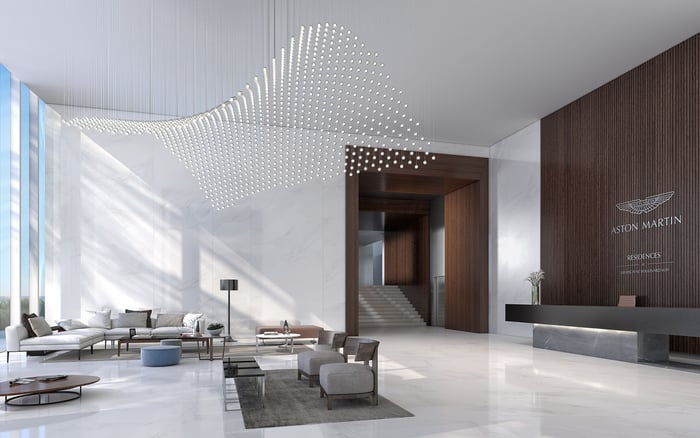
For seasonal owners, a polished gala evening begins with the residence’s departure protocol and ends with a coordinated return. Arrival privacy, confirmed driver staging and realistic access planning belong in both the household brief and the property search.
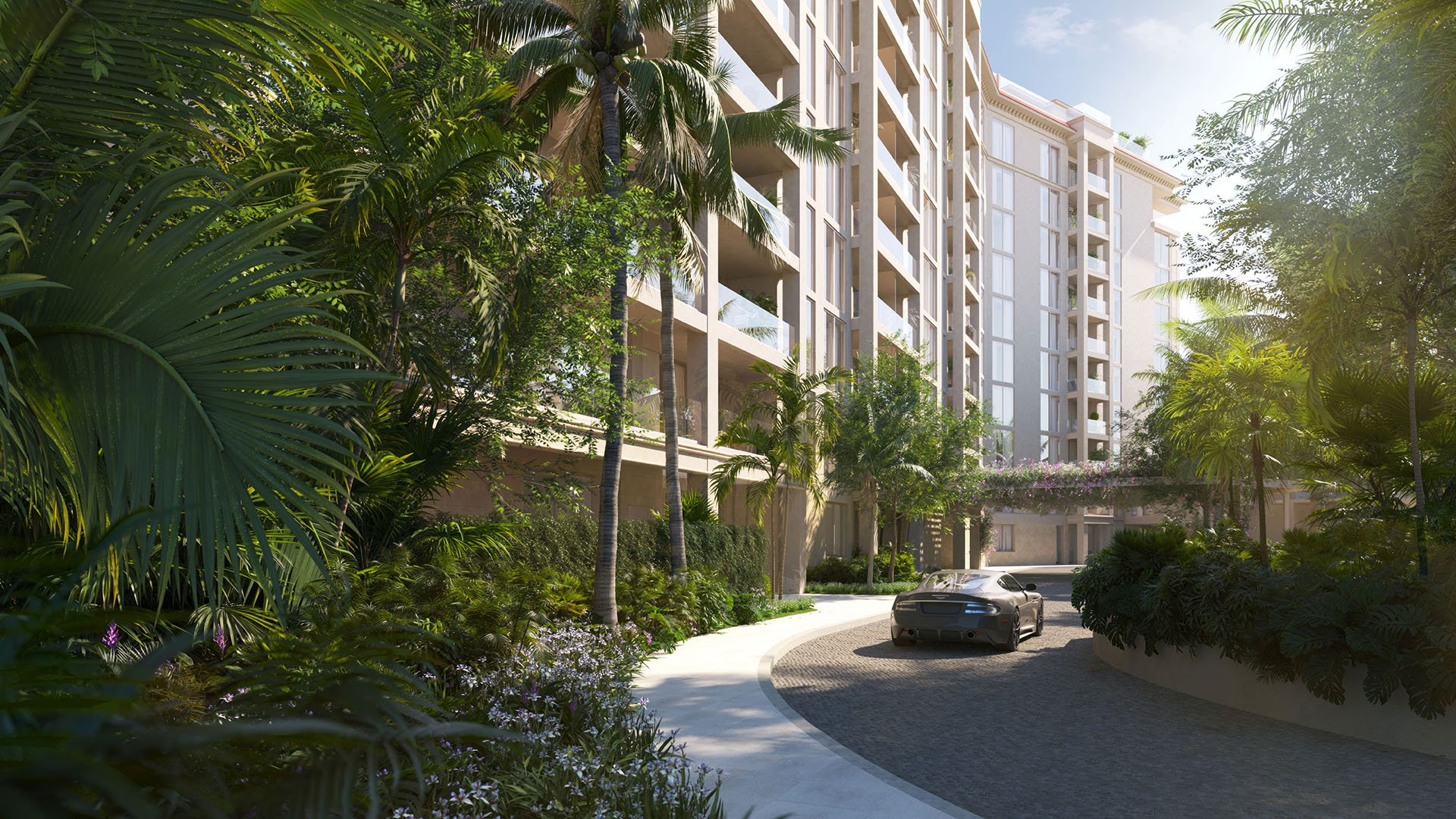
For a seasonal owner, the most revealing part of a gala evening may come before the reception: the passage from residence to waiting car. An elegant lobby is one consideration. Knowing where the driver can wait, who confirms the vehicle is ready and which entrance the household should use is another. The distinction is between an impressive arrival setting and a clearly understood arrival procedure.
Gala-season planning brings those details into focus without implying that traffic or privacy risks have increased. The practical question is simpler: can the residence, chauffeur and venue follow the same instructions when timing matters? For buyers, access becomes an operational due-diligence issue, alongside the assessment of views, layouts and amenities.
Discretion begins with fewer unresolved decisions at the curb. Treat it as a planning objective, not a promise that any residence or transportation service can guarantee privacy.
Begin with the household’s actual movements. Identify each starting point, destination, required arrival time and known access restriction before arranging transportation. If guests are joining from another residence or arriving separately, record those movements rather than assuming one departure time will serve everyone.
Work backward from the required arrival, not merely the invitation’s opening hour. Confirm whether the venue expects guests at a designated entrance, whether a VIP access point requires prior coordination and whether the drop-off location differs from the address a driver might otherwise select. A red-carpet arrival and a discreet entrance are different instructions; neither should be left implicit.
For a buyer considering Una Residences Brickell, this frames a useful conversation with the building’s representatives: how would they handle a household departure, separately arriving guests and a late return? The question tests procedures without assuming any particular access feature or service is available.
A pickup point answers where passengers enter the car. A staging location answers where the vehicle may wait until they are ready. Do not treat the two as interchangeable. Confirm where a driver may stage, load, unload and remain between trips, along with applicable curb and idling restrictions.
This distinction deserves particular attention in Brickell, where the planning brief should address urban traffic, building valet access lanes and the intended staging location. A driver’s familiarity with the neighborhood is useful, but it does not establish permission to wait at a specific building or curb.
Ask who authorizes the vehicle to approach and how the household learns that it is in position. Establish a backup pickup location before event day, with permission and passenger instructions confirmed in advance. The alternative should be usable, not simply a nearby address saved in a phone.
During a property viewing, request a walk-through of the proposed sequence. Observe the route from the residence’s common areas to the pickup point, then ask where the car would wait while the owner is still upstairs. Keep physical observations separate from service commitments that require confirmation.
Translate arrival privacy into specific preferences. Does the owner want to avoid the event’s principal arrival presentation? Should guests travel separately? Who needs the itinerary, and who communicates a last-minute entrance change? Resolve these instructions with the relevant teams rather than attaching assumptions to a luxury address.
The phrase “low-profile service” alone does not establish privacy or enhanced security. Ask for a clear explanation of the planned handoff between driver and venue, including any restricted access point. An entrance described as VIP may still require authorization, scheduling or a different approach from the main drop-off.
When considering The Perigon Miami Beach, apply the same discipline to the residential side of the evening. Ask which arrival and departure arrangements would be permitted and who would coordinate them. The project belongs in the property conversation; its name is no substitute for verified operating arrangements.
Entertaining adds another layer. A household may have different required arrival times, guest priorities and special requirements. Group movements around those needs rather than assigning every passenger to one undifferentiated schedule. Keep each group’s pickup instructions explicit so that a change in one movement does not automatically require reworking the entire evening.
For an owner evaluating Four Seasons Residences Coconut Grove, ask how a proposed private gathering would interact with residential access. Relevant questions include traffic control, staging coordination, advance planning and on-site responsibility. Confirm these arrangements for the occasion rather than presuming services from a residential brand.
In Coconut Grove or elsewhere, distinguish the host’s transport plan from the property’s permissions. A hired driver or valet team cannot independently determine where vehicles may wait. The household brief should identify both the person directing the evening’s movements and the party authorized to approve access.
Three moments deserve deliberate planning: first guest arrival, program end and final departure. Arrange the return journey alongside the outbound trip. Confirm the intended pickup point, how the driver will receive a readiness signal and what happens if the program finishes earlier or later than expected.
A buyer considering Four Seasons Hotel & Private Residences Fort Lauderdale can use that sequence to frame questions about returning home. Ask what the household should confirm for late arrivals and whether the instructions differ from daytime departures. Do not assume the evening protocol matches the arrangement observed during a daytime visit.
If a Fort Lauderdale stay or Miami itinerary begins with private aviation, extend the same advance-planning discipline to the terminal. Confirm vehicle staging before landing rather than starting that coordination after passengers arrive. Keep the terminal transfer and gala itinerary connected, while checking access permissions separately at each location.
The strongest buyer brief turns an abstract desire for effortless living into a short set of verifiable arrangements: permitted pickup and staging locations, a named coordination contact, entrance instructions, a backup location and a return plan. Reconfirm details when the venue, guest group or timing changes.
For seasonal ownership, the objective is not to eliminate every delay. It is to know who will respond, where the vehicle can legally wait and how the household will receive updated instructions. That is a more useful measure of readiness than an unsupported promise of seamless access.
Explore South Florida residences with your seasonal arrival and access priorities in mind at MILLION.
If branded residences are on your mind — as a home or as an allocation — we would be glad to share what we are seeing, privately.
Begin a quiet conversationDefine starting points, destinations, required arrival times and location-specific restrictions. Include separate guest movements and the return journey.
Staging is where a vehicle may wait before it is needed; pickup is where passengers enter it. Confirm permission for each location separately.
Confirm where vehicles may stage, load, unload and wait between trips, including any curb or idling restrictions.
No. Discreet service language is not proof of guaranteed privacy or enhanced security; clarify the actual entrance and handoff arrangements.
Ask where the driver waits, who authorizes the approach and how the household is notified when the vehicle is ready. Verify arrangements rather than inferring them from the lobby design.
A backup provides an agreed alternative if the primary location cannot be used. Confirm permission and passenger instructions before event day.
First guest arrival, program end and final departure are key coordination points. Plan each rather than focusing exclusively on the outbound trip.
Group movements by required timing, guest priorities and special requirements. Give each group clear instructions so changes can be managed separately.
Confirm staging before landing rather than beginning coordination after passengers arrive. Check terminal permissions separately from residential and venue access.
The article does not establish project-specific access or privacy features. Its project references frame questions buyers should verify with building representatives.