A practical planning framework for Palm Beach seasonal owners evaluating arrival privacy, driver staging, vehicle handoffs, and peak-traffic access.
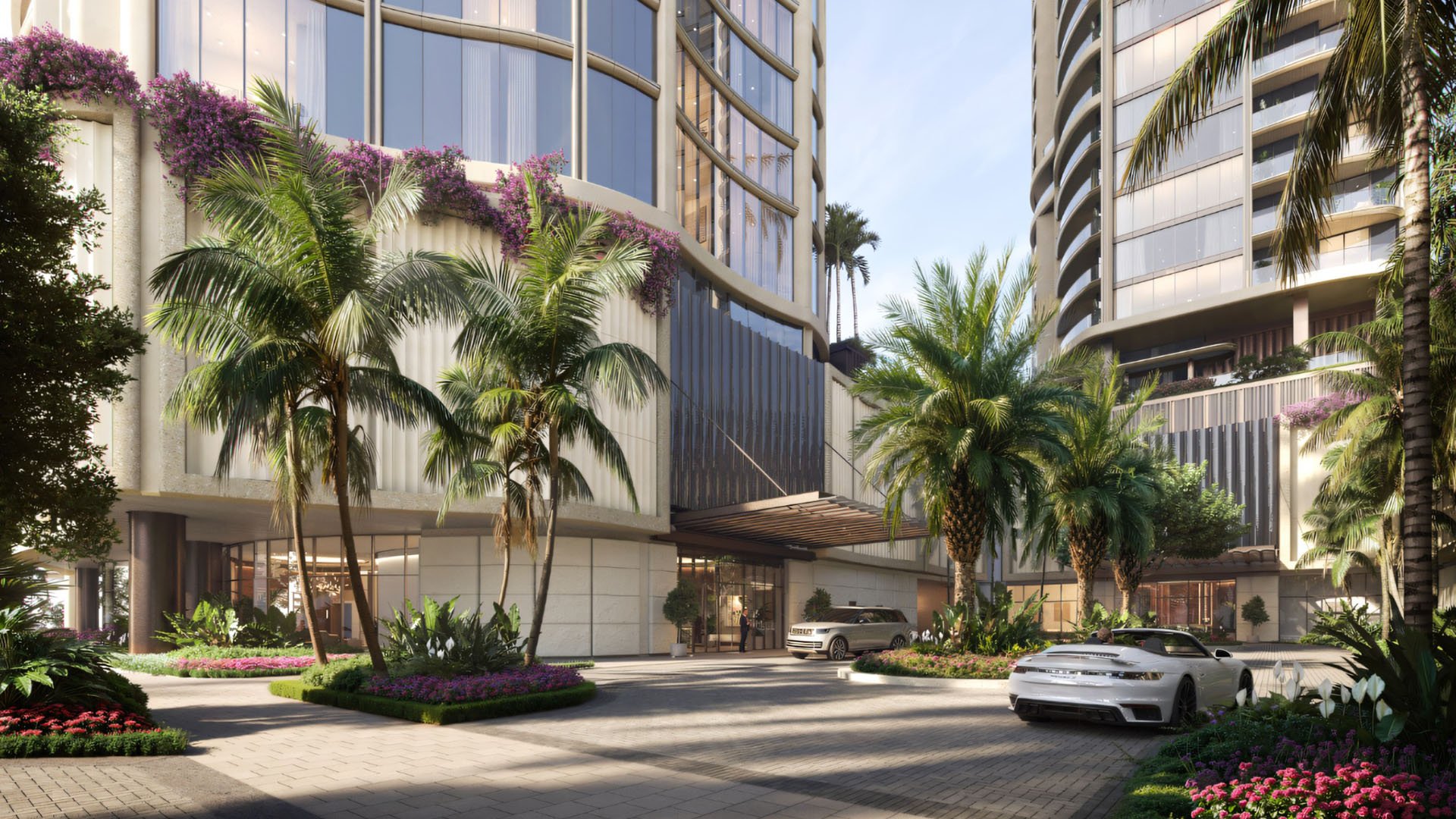
For Palm Beach seasonal owners, the return to a residence deserves an operational plan as thoughtful as the home itself. Privacy, vehicle coordination, driver communication, and the final approach can all shape the experience.
This is especially relevant when a residence is occupied during a defined part of the year. Buyers considering Palm Beach Residences can assess arrival logistics alongside views, privacy, interior planning, and service expectations.
A useful review begins with the complete sequence: departure point, route selection, property entry, passenger drop-off, luggage handling, vehicle placement, and staff communication. Each step should have a designated lead and a backup plan.
A seasonal arrival plan should identify a preferred approach to the residence and a practical alternative. The objective is not to predict every delay, but to give the driver and household team clear instructions when conditions change.
Before departure, the owner’s representative can confirm the destination entrance, communicate with property staff, and determine whether the planned drop-off area is available. Instructions should be concise enough for a chauffeur, guest driver, or delivery team to follow without improvisation.
Mainland residences can offer a different arrival pattern while still requiring careful coordination. Mandarin Oriental Residences, West Palm Beach and South Flagler House West Palm Beach belong in a broader comparison of privacy, access, and service preferences across the Palm Beach area.
Seasonal vehicle delivery should be arranged directly with property management and the carrier before arrival. The ownership team should confirm whether the property can accommodate the proposed vehicle handoff, where it may occur, and who will receive the car.
A discreet handoff depends on more than selecting a location. The team should consider property permission, available maneuvering space, staff access, timing, luggage transfer, key custody, and the owner’s preferred level of visibility.
Written confirmation can reduce uncertainty. It should identify the responsible contacts, arrival window, approved handoff point, and fallback procedure if the original plan cannot be used.
A chauffeur plan should distinguish among passenger drop-off, short waiting periods, and longer staging. The residence, principal, and driver should agree on how updates will be shared and how much notice is needed before pickup.
Rather than assuming that a driver can remain near the entrance, the household team can designate an appropriate waiting strategy and use just-in-time dispatch. This approach supports a calmer entry while keeping the driver ready for schedule changes.
The protocol should also address guests. A clear message can specify which entrance to use, whom to contact, where to pause, and what to do if the intended approach is unavailable.
Arrival privacy is best examined during due diligence. Buyers can walk or drive the intended approach, inspect the property entrance, identify potential conflict points, and ask how staff coordinate residents, guests, chauffeurs, and vehicle deliveries.
The review should focus on the residence’s actual operating procedures rather than assumptions. Useful questions include whether advance notice is required, who authorizes a vehicle handoff, how drivers communicate with staff, and what alternatives exist when the preferred sequence changes.
For a seasonal owner, a well-defined arrival plan can support privacy and continuity. The strongest plan is simple, documented, and understood by the owner, household team, property management, and driver.
Why should arrival planning be part of a Palm Beach property review? It helps a buyer evaluate how privacy, staff coordination, vehicles, and access will work together during seasonal occupancy.
What should an arrival plan include? It should identify the preferred approach, property entrance, passenger drop-off process, responsible contacts, and a practical alternative.
Who should coordinate the arrival sequence? The owner can designate a household representative or property contact to communicate with the driver and relevant staff.
How can an owner prepare for changing traffic conditions? The team can confirm the route before departure and give the driver clear instructions for an alternate approach.
Should vehicle delivery be arranged before the carrier arrives? Yes. Property permission, the handoff point, timing, and receiving contact should be confirmed in advance.
What should be checked for a private vehicle handoff? Review access, maneuvering space, staff availability, key custody, luggage transfer, and the fallback procedure.
What is driver staging? It is the plan for where and how a chauffeur waits between a passenger drop-off and the next requested pickup.
How can a chauffeur remain ready without waiting at the entrance? The household team can establish a suitable waiting strategy and use direct communication for just-in-time dispatch.
What should guests receive before arriving? Guests should receive the correct entrance, a contact name, drop-off instructions, and guidance for an unavailable approach.
What should buyers ask property management during due diligence? Ask how the property handles arrivals, vehicle handoffs, driver communication, advance notice, and backup access procedures.
For a tailored shortlist and next-step guidance, connect with MILLION.
If branded residences are on your mind — as a home or as an allocation — we would be glad to share what we are seeing, privately.
Begin a quiet conversation