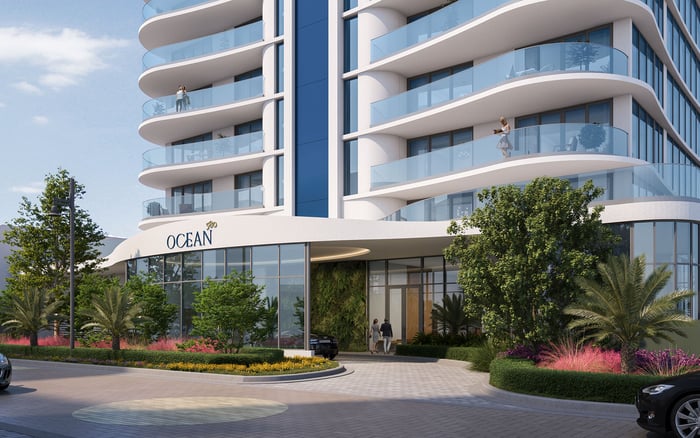
For a seasonal waterfront purchase in Pompano Beach, buyers should evaluate the complete boating plan, including vessel fit, the slip-to-inlet route, dockage rights, bridge constraints, governing documents, and current operating conditions.
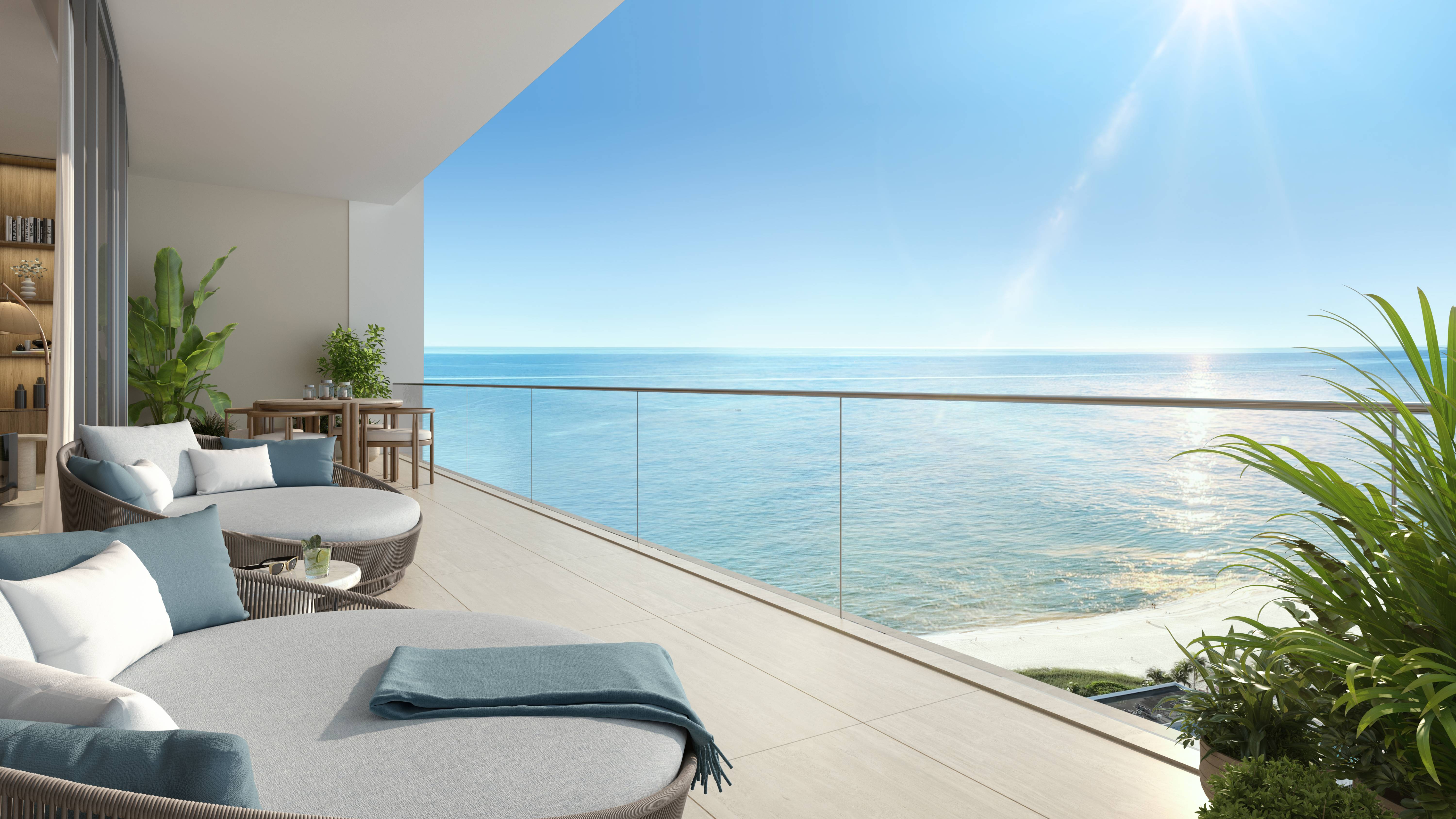
For a seasonal owner in Pompano Beach, general language about marina access or waterfront living is not enough. The practical question is whether the intended vessel can use the available dockage and navigate every segment between the berth and open water.
Vessel length and beam are only part of the review. Draft, air draft, water depth, channel width, tides, overhead constraints, opening procedures, insurance requirements, and the legal status of the dockage may all affect usability. A berth suitable for one vessel may not suit another.
That scrutiny belongs alongside comparisons of residences such as Armani Casa Residences Pompano Beach and The Ritz-Carlton Residences® Pompano Beach. Architecture, services, and amenities shape life ashore, while vessel compatibility determines whether the boating plan works in practice.
Due diligence should begin with a marked route from the proposed berth to open water rather than with the dock alone. Buyers can identify depths, turns, narrow passages, overhead obstructions, bridges, and likely waiting points, then compare those conditions with the actual vessel.
Draft is the depth a vessel requires below the waterline. Air draft is the height required beneath bridges and other overhead obstructions. Measurements should account for antennas, towers, outriggers, and equipment that may increase the vessel’s operating height.
A description such as “no fixed bridges” should not replace route-specific review. Movable crossings, water depth, channel conditions, operating procedures, and temporary restrictions can still affect a trip.
A published clearance figure is useful only when its reference point and the vessel’s configuration are understood. Buyers should compare like measurements, consider changing water levels, and retain an appropriate operating margin.
Bridge operations should also be verified rather than assumed. Opening procedures, waiting times, maintenance, weather conditions, and temporary closures may affect departures and returns, which can be especially significant for an owner using the residence seasonally.
The vessel’s full profile matters as much as its length. A berth may accommodate a boat physically while the route remains unsuitable because of air draft, depth, beam, or maneuvering constraints.
The presence of a dock does not establish that every boat, lift, or mooring arrangement is permitted. Buyers should obtain and review the available permits, surveys, association documents, marina rules, and other materials governing the berth and waterfront structures.
Determine whether the berth is deeded, assigned, leased, transient, or subject to a waiting list. Confirm transfer rights, vessel limits, fees, insurance requirements, utilities, maintenance responsibilities, guest use, and the procedure for changing vessels.
Physical boundaries also deserve attention. A survey and professional review can help identify whether the dock, lift, vessel position, and contemplated use are consistent with the applicable documents and navigation requirements.
A disciplined Pompano Beach search can keep design and service in view while separating those qualities from marine claims. W Pompano Beach Hotel & Residences and Waldorf Astoria Residences Pompano Beach may be considered within a broader residential comparison, but any boating decision still requires property-specific verification.
This distinction is particularly important for seasonal ownership. A delayed crossing, incompatible berth, unresolved document issue, or impractical route can diminish limited time in residence. The relevant value is not simply proximity to water, but repeatable access supported by suitable dimensions, documented rights, and a workable route.
Before applicable contract deadlines, qualified marine, surveying, insurance, and legal professionals can review the route, berth, and governing documents alongside the residential materials. The actual vessel should be measured rather than assessed solely through a model description.
When practical, observe the route under conditions relevant to the intended use. Request current written dockage terms and verify which party is responsible for maintenance, utilities, insurance, and approvals.
Recheck route conditions and operating procedures near closing and before each boating season. Confirm whether movable equipment can be lowered as planned and understand how maintenance, weather, or temporary restrictions could affect access.
What should a seasonal buyer examine first? Identify the proposed berth and complete route to open water, then compare each segment with the actual vessel.
What is the difference between draft and air draft? Draft concerns the water depth required below the vessel, while air draft concerns the height needed beneath overhead obstructions.
Does “no fixed bridges” guarantee convenient access? No. Movable crossings, depths, channel conditions, operating procedures, and temporary restrictions may still affect the route.
Why should the actual vessel be measured? Equipment and configuration can change the vessel’s effective length, beam, draft, or air draft from a general model description.
What dockage documents should a buyer request? Request available permits, surveys, association documents, marina rules, berth agreements, and records defining use and maintenance responsibilities.
Why does the legal form of dockage matter? A deeded, assigned, leased, transient, or wait-listed berth may carry different use, transfer, fee, and availability terms.
Should published bridge information be rechecked? Yes. Current operating procedures, maintenance, weather impacts, and temporary restrictions should be verified before relying on a route.
Can a berth fit a boat while the route does not? Yes. Depth, air draft, beam, turns, or other navigation constraints may make the route unsuitable despite adequate berth dimensions.
Which professionals may assist with marine due diligence? Depending on the transaction, buyers may consult qualified marine, surveying, insurance, and legal professionals.
When should boating conditions be reviewed again? Recheck them near closing and before each boating season because operating conditions and requirements may change.
To compare the best-fit options with clarity, connect with MILLION.
If branded residences are on your mind — as a home or as an allocation — we would be glad to share what we are seeing, privately.
Begin a quiet conversation