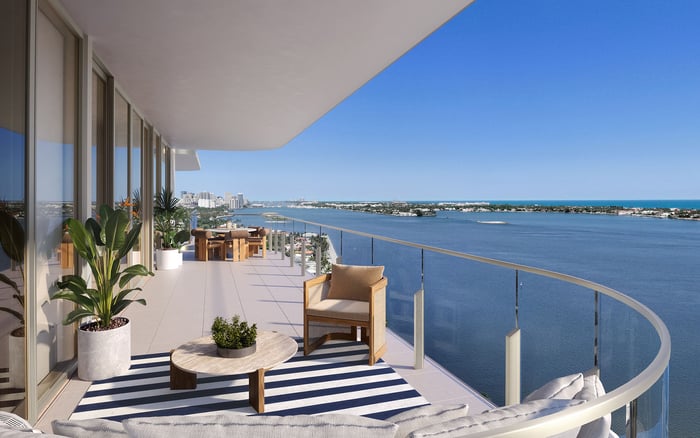
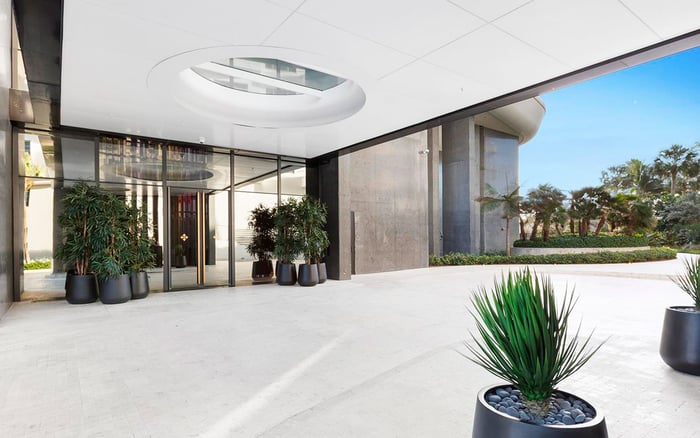
For seasonal Palm Beach buyers, legal water rights, vacancy oversight, storm protocols and insurance can carry more practical weight than a polished amenity package.
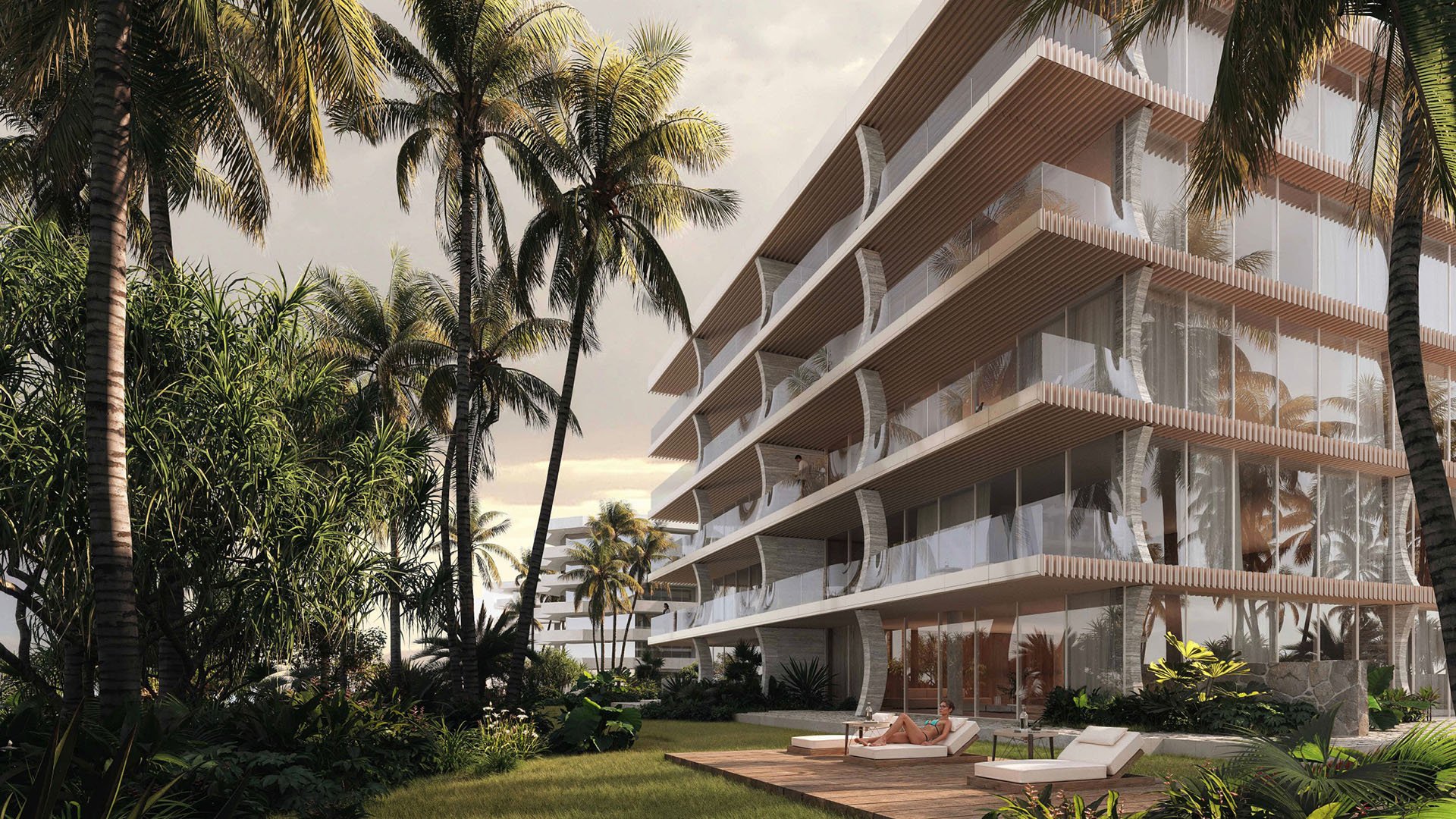
For a seasonal owner, the most consequential features of a Palm Beach residence may also be the least photogenic. A serene water outlook, private-club atmosphere and polished amenity floor can define the experience while in residence. Yet legal water access, storm preparation, insurance, maintenance and dependable oversight determine how confidently an owner can leave for months at a time.
This shifts the buyer’s hierarchy. The essential question is not simply whether a property feels effortless during the season, but whether its ownership structure remains resilient when the home is vacant, weather threatens and decisions must be made locally. In a buyer brief, waterfront, water view, second-home use and boat-slip access should be treated as distinct categories, not interchangeable lifestyle shorthand.
“Waterfront,” “water view” and “water access” describe different considerations. A view should not be treated as confirmation of shoreline ownership, dockage or boating rights. Buyers should reconcile the survey and title record with the current shoreline, roads, structures and any association or public-access rights.
The setting matters as well. Oceanfront, Intracoastal and lagoon-oriented properties can present different combinations of views, boating convenience, privacy and maintenance considerations. Residences along Flagler Drive, including options such as Forté on Flagler West Palm Beach, can prompt a broader comparison between a visual connection to the water and legally documented access.
If boating is central to the purchase, obtain written confirmation of whether a slip is deeded, assigned, leased, shared or subject to a waitlist. Then examine vessel suitability, dimensions, utilities, staffing, repair plans and possible assessments. A marina right should be evaluated as both a legal interest and an operating consideration.
Seasonal ownership is partly an exercise in delegation. Buyers should establish precisely what security, concierge, maintenance and emergency-response personnel will do during an extended vacancy. Titles and amenity descriptions matter less than a written understanding of property checks, escalation procedures, vendor access and the authority to act when the owner is unavailable.
This is particularly relevant when considering managed West Palm Beach condominium living. Projects such as The Ritz-Carlton Residences® West Palm Beach and Mandarin Oriental Residences, West Palm Beach belong in a comparison focused not only on hospitality positioning, but also on the practical service model a buyer expects from a seasonal home.
Parking, guest access, building security, staffing and after-dark convenience can matter as much as finishes. Buyers should determine whether trusted periodic inspections can continue throughout an absence rather than assuming a vacant residence requires no oversight.
Storm preparation should be organized before departure, together with off-season security, maintenance, insurance and vehicle care. A seasonal closing routine can address perishables, drains, appropriate appliances, water systems, HVAC servicing and outdoor items according to the residence’s requirements.
The more important issue is accountability. Owners should know who monitors weather conditions, who is permitted to enter, what the association protects, what remains the unit owner’s responsibility and how post-event inspections are communicated. At South Flagler House West Palm Beach or any other condominium under consideration, these operational questions should be resolved through current governing materials and direct written confirmation, not inferred from presentation materials.
Insurance warrants the same discipline. Buyers should request quotes that account for the property’s coastal setting and intended seasonal occupancy. Flood exposure, vacancy procedures and maintenance obligations should be reviewed as connected elements of a single risk plan.
Buyers comparing a condominium with a single-family estate should examine how each ownership structure allocates control, shared responsibilities, maintenance and insurance obligations. For a condominium, review the declaration, bylaws, budgets, reserve information, meeting minutes and current rules governing guests, parking, amenities and leasing.
For an estate, examine the responsibilities that come with direct control of the land and improvements. The practical comparison is managed convenience versus greater direct accountability, with privacy, maintenance and oversight evaluated according to the buyer’s priorities.
Rental flexibility should never be assumed. Buyers should verify current municipal requirements and association rules before relying on any rental strategy.
For the seasonal buyer, true ease comes from verified rights and reliable systems. The strongest purchase decision connects water access, marine obligations, staffing, storm response, insurance and association governance before assigning value to the amenity brochure. Luxury is not only what awaits on arrival. It is the confidence that the residence has been responsibly managed in the owner’s absence.
Does a water view include waterfront ownership? A view alone should not be treated as confirmation of shoreline ownership, dockage or boating rights.
How should water access be verified? Reconcile the survey and title record with the shoreline, structures, roads and any association or public-access rights.
What should a buyer confirm about a boat slip? Confirm in writing whether it is deeded, assigned, leased, shared or subject to a waitlist.
What belongs in marina due diligence? Review vessel suitability, slip dimensions, utilities, staffing, repair plans and potential assessments.
What should seasonal owners ask building staff? Ask what security, maintenance, concierge and emergency-response teams will do while the residence is vacant.
Should a vacant residence receive periodic checks? Buyers should establish a trusted inspection plan and clear escalation procedures for extended absences.
What belongs on a seasonal departure checklist? Address perishables, drains, appropriate appliances, water systems, HVAC servicing and outdoor items based on the residence’s needs.
How should coastal insurance be approached? Request quotes that account for the property’s coastal setting and intended seasonal occupancy.
Is a condominium always easier than an estate? The answer depends on how the buyer values managed shared responsibilities, direct control, privacy and personal oversight.
Should rental flexibility be assumed? No. Verify current municipal requirements and association rules before relying on a rental strategy.
If you'd like a private walkthrough and a curated shortlist, connect with MILLION.
If branded residences are on your mind — as a home or as an allocation — we would be glad to share what we are seeing, privately.
Begin a quiet conversation