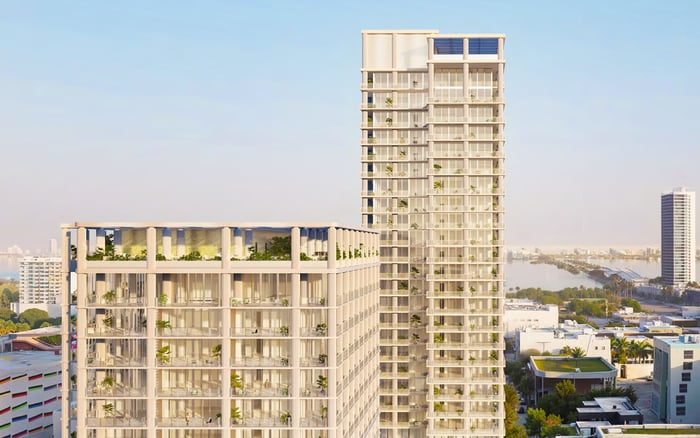
A disciplined insurance review can reveal the carrying-cost and risk profile behind a beautifully presented Miami residence, especially when the owner will be away for part of the year.
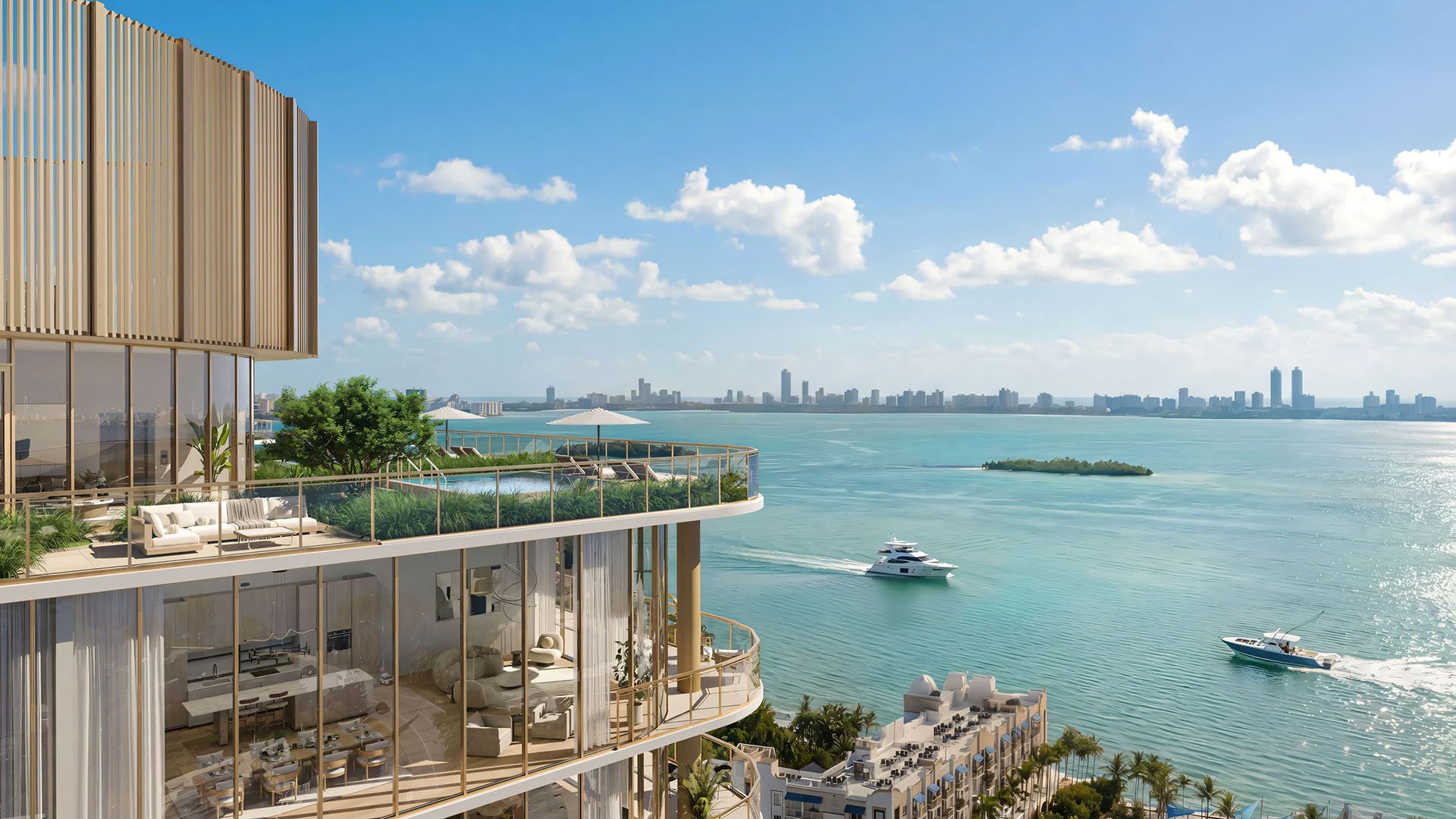
For a seasonal buyer, the most consequential features of a Miami residence may never appear in the rendering package. A serene lobby, private dining room, sculptural pool deck, and polished arrival sequence shape daily pleasure. They do not, however, explain how the residence is protected when the owner is elsewhere.
That distinction deserves particular attention around the Design District, where a home may serve as a winter base, an art-season address, or one element in a broader portfolio. The relevant question is not simply whether insurance is available, but how the building’s coverage, the owner’s policy, flood considerations, deductibles, and absence-management plan work together.
This is the practical lens to bring to any second-home decision: admire the design, then examine the documents with equal care.
Condominium ownership creates two layers of inquiry. Buyers should ask their advisers to identify precisely what the association insures and what remains the owner’s responsibility. Interior finishes, improvements, furnishings, art, personal liability, temporary accommodation, and loss assessment should each be discussed, never assumed.
The declaration page alone does not tell the full story. Request the applicable policy documents, schedules, exclusions, endorsements, and deductible language. Then have qualified insurance and legal advisers explain how those provisions apply to the specific residence and its intended use.
This review should begin early when evaluating homes such as Kempinski Residences Miami Design District or Miami Tropic Residences. The objective is not to compare names or aesthetics through an insurance lens. It is to understand the complete ownership structure before emotional preference hardens into a contract decision.
Buyers should resist collapsing every weather-related concern into a single question. Ask separately about wind coverage, flood coverage, water intrusion, contents, interior improvements, and any association-level obligations. Policy wording controls, and similar-sounding terms can carry different consequences.
Flood-zone information should be reviewed for the specific property, but a zone label should not define the entire analysis. A sophisticated review also considers what the lender may require, what the association carries, what the owner wishes to protect, and which losses or expenses could remain outside that protection.
For an all-cash investment, optionality creates its own decision point. Freedom from a lender requirement does not determine whether retaining a risk is financially comfortable. The appropriate limit, deductible, and scope are personal balance-sheet decisions to model with advisers.
A deductible can appear modest when presented only as a percentage or compact policy term. Before closing, ask for each applicable deductible to be translated into a potential dollar obligation under the policy’s own wording. Confirm the value or limit to which any percentage applies, who initially pays, and whether an association loss could create an additional owner assessment.
This exercise belongs alongside the annual premium, association budget, taxes, reserves, and planned improvements. It is equally useful when comparing urban options outside the immediate neighborhood, including Casa Bella by B&B Italia Downtown Miami and Villa Miami. A lower visible carrying cost may not represent lower retained risk.
Request more than one scenario. A minor interior loss, a substantial building event, and an assessment scenario may engage different terms. The purpose is not to predict a claim, but to understand which checks the owner might need to write and how quickly liquidity could be required.
Seasonal occupancy changes the operational brief. Before leaving Miami, the owner should have a written plan covering inspections, access permissions, emergency contacts, temperature and humidity settings, leak detection, storm preparation, and post-event review. Any protocol should be checked against policy conditions and building rules.
A balcony, terrace, art installation, wine collection, custom millwork, or upgraded interior may require a more tailored discussion. Buyers should provide accurate details to their insurance professional and ask what documentation, valuations, monitoring, or protective measures are expected.
The service promise also warrants verification. Clarify what building staff will and will not do, how authorization works during an owner’s absence, and whether a private residence manager is appropriate. Luxury service is most valuable when responsibility is unambiguous.
The strongest buyer’s guides turn broad concerns into a precise document request. Assemble current association insurance materials, deductible provisions, governing documents, budgets, reserve information, available inspection materials, proposed owner-policy terms, lender conditions if applicable, and a record of planned improvements.
Then create a one-page ownership summary identifying the policies, limits, key deductibles, renewal contacts, emergency procedures, residence manager, valuables documentation, and the adviser responsible for each question. Review it before every renewal and whenever occupancy, financing, renovations, or collections change.
For buyers also considering Miami Beach, the same discipline applies, but assumptions should never migrate from one property to another. Each building, residence, policy, and ownership profile warrants an independent review.
Amenities express how a residence feels when everything is working beautifully. Insurance planning addresses what happens when it is not. For a seasonal owner, that less glamorous layer can influence liquidity, convenience, confidence, and the true cost of holding the property.
The goal is not to let risk documents eclipse architecture. It is to give design, service, and location a sound financial foundation. Once coverage boundaries, flood considerations, deductibles, and absence procedures are understood, the buyer can return to the amenity brochure with clearer judgment.
Is the condominium association’s policy enough for a seasonal owner? Not necessarily. Ask qualified advisers to compare the association’s coverage with the owner’s interiors, possessions, liability, and intended use.
Should wind and flood be reviewed together? They should be coordinated but discussed separately. Request clear explanations of the relevant policies, exclusions, limits, and deductibles.
Does a flood-zone designation settle the insurance question? No single designation should replace a property-specific review. Consider the building’s coverage, personal protection goals, financing, and retained risk.
Why translate a deductible into dollars? A dollar scenario makes the potential cash obligation easier to evaluate. The calculation must follow the policy’s actual wording.
Can an association deductible affect an individual owner? It may, depending on the documents and circumstances. Ask legal and insurance advisers how an association loss could reach the owner.
What should be checked before leaving for the season? Confirm inspections, access, emergency contacts, monitoring, storm procedures, and policy conditions in a written absence plan.
Do renovations change the insurance review? They can change what the owner wishes to protect. Disclose planned work and confirm documentation, valuation, and coverage needs before construction.
How should art and furnishings be handled? Provide accurate details to an appropriate insurance professional. Ask whether valuations, schedules, security measures, or special terms are needed.
When should insurance diligence begin? Begin early enough to review documents and proposed terms before contractual deadlines. Avoid treating coverage as a post-closing administrative task.
Who should advise on the final structure? Use qualified insurance, legal, lending, tax, and property-management professionals as relevant to the residence and ownership plan.
For a discreet conversation and a curated building-by-building shortlist, connect with MILLION.
If branded residences are on your mind — as a home or as an allocation — we would be glad to share what we are seeing, privately.
Begin a quiet conversation