Art Week can place unusual pressure on school routines, household logistics, and travel plans. Seasonal owners can prepare by prioritizing fixed commitments, coordinating staff and guests, and building flexibility around temporary traffic changes.
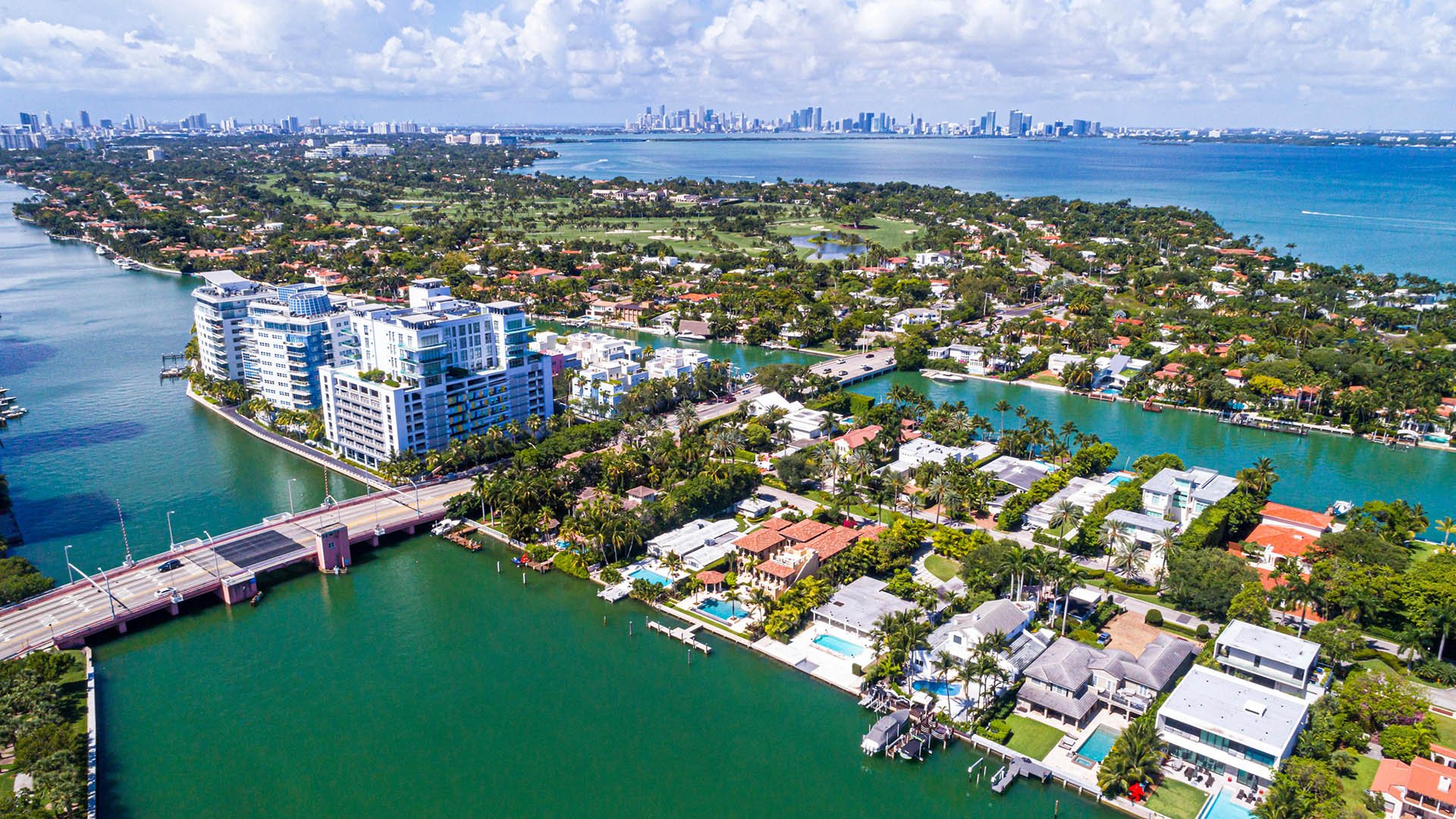
For seasonal owners, Art Basel Miami Beach is more than an entry on the social calendar. It is also a period when cultural plans intersect with school pickup, after-school activities, household staffing, airport arrivals, dinner reservations, and the routines that make a South Florida residence feel effortless.
The practical challenge is preserving the household’s essential rhythm while allowing room for events and guests. Rather than treating every day as conventional, families can identify the commitments that must remain fixed and give everything else enough flexibility to move.
Begin with obligations that cannot shift, such as dismissal times, examinations, medical appointments, performances, and essential household coverage. Place optional fair visits, social plans, and errands around those anchors instead of allowing them to compete for the same time.
One person should oversee the transportation plan and confirm drivers, alternate pickup permissions, activity changes, and handoffs between household staff. A shared schedule can distinguish among trips within Miami Beach, journeys across Biscayne Bay, and plans that can be handled without a car.
A seasonal household should also have a fallback for each important movement. That may include an alternate driver, a revised meeting point, additional travel time, or the option to cancel a low-priority engagement.
Temporary traffic measures, event access rules, street activity, and transportation services can change from one Art Week to another. Owners should verify current details directly before relying on a particular route, pickup location, shuttle, or water-based option.
Alternative transportation may be useful for selected adult outings, but it should not automatically replace the vehicle arrangements needed for children, caregivers, or time-sensitive household responsibilities. The strongest plan assigns a suitable mode to each journey rather than depending on one solution for the entire week.
Grouping appointments and social commitments by neighborhood can also limit avoidable repositioning. When a trip is optional, the household should be comfortable moving it, shortening it, or removing it from the calendar.
Residence location becomes especially relevant during a high-demand cultural week. Owners at The Ritz-Carlton Residences® Miami Beach may organize plans differently from households elsewhere in Miami Beach because each itinerary creates its own mix of neighborhood and cross-bay travel.
The same principle applies to households at Rivage Bal Harbour and The Residences at 1428 Brickell. The useful question is not simply how far away an engagement appears, but how many separate movements the day requires and which commitments can be consolidated.
A polished plan is layered: a primary route, a realistic alternative, clear communication, and permission to release nonessential obligations. This approach protects family routines without removing the opportunity to enjoy Art Week.
Visiting relatives, caregivers, drivers, security personnel, and other staff may require transportation or temporary accommodation. Clarifying those needs early can prevent guest arrangements from competing with school and family priorities.
Staff schedules should reflect the household’s actual plan rather than assumptions based on an ordinary week. Owners can confirm arrival expectations, coverage periods, handoff responsibilities, access instructions, and contingency arrangements before the first major commitment.
Thoughtful preparation is part of property stewardship. A calm Art Week depends on fewer unnecessary movements, clear household authority, and enough flexibility to keep cultural plans from overtaking family life.
Should families expect their normal school routine to require adjustment? Families should preserve fixed school obligations while allowing added flexibility for transportation, activities, and household handoffs.
What should be placed on the calendar first? Start with school dismissal, medical appointments, examinations, performances, and essential staffing commitments.
Who should coordinate transportation decisions? Assigning one decision-maker can keep drivers, caregivers, and family members aligned as plans change.
What belongs in a backup pickup plan? Include an authorized alternate person, a clear meeting point, current contact details, and a communication process for changes.
Can alternative transportation replace every car trip? Not necessarily. Match each transportation option to the passengers, timing, and purpose of the journey.
How should temporary traffic changes be handled? Verify current routes, access details, pickup points, and operating information before departure rather than relying on prior-year assumptions.
Why group plans by neighborhood? Consolidating nearby commitments can reduce repeated travel and leave more room for essential family obligations.
How can seasonal owners prepare for guests? Confirm arrival plans, lodging, residence access, transportation, and the effect of each visit on household staffing.
What should owners discuss with household staff? Review schedules, coverage, handoffs, access instructions, transportation expectations, and backup responsibilities.
What is the most useful guiding principle for Art Week planning? Protect essential routines first, keep optional plans flexible, and maintain a realistic alternative for every important journey.
If you'd like a private walkthrough and a curated shortlist, connect with MILLION.
If branded residences are on your mind — as a home or as an allocation — we would be glad to share what we are seeing, privately.
Begin a quiet conversation