A discreet framework for Geneva families aligning CHF wealth, USD credit, staged condominium deposits, closing costs, and post-closing reserves on South Flagler Drive.
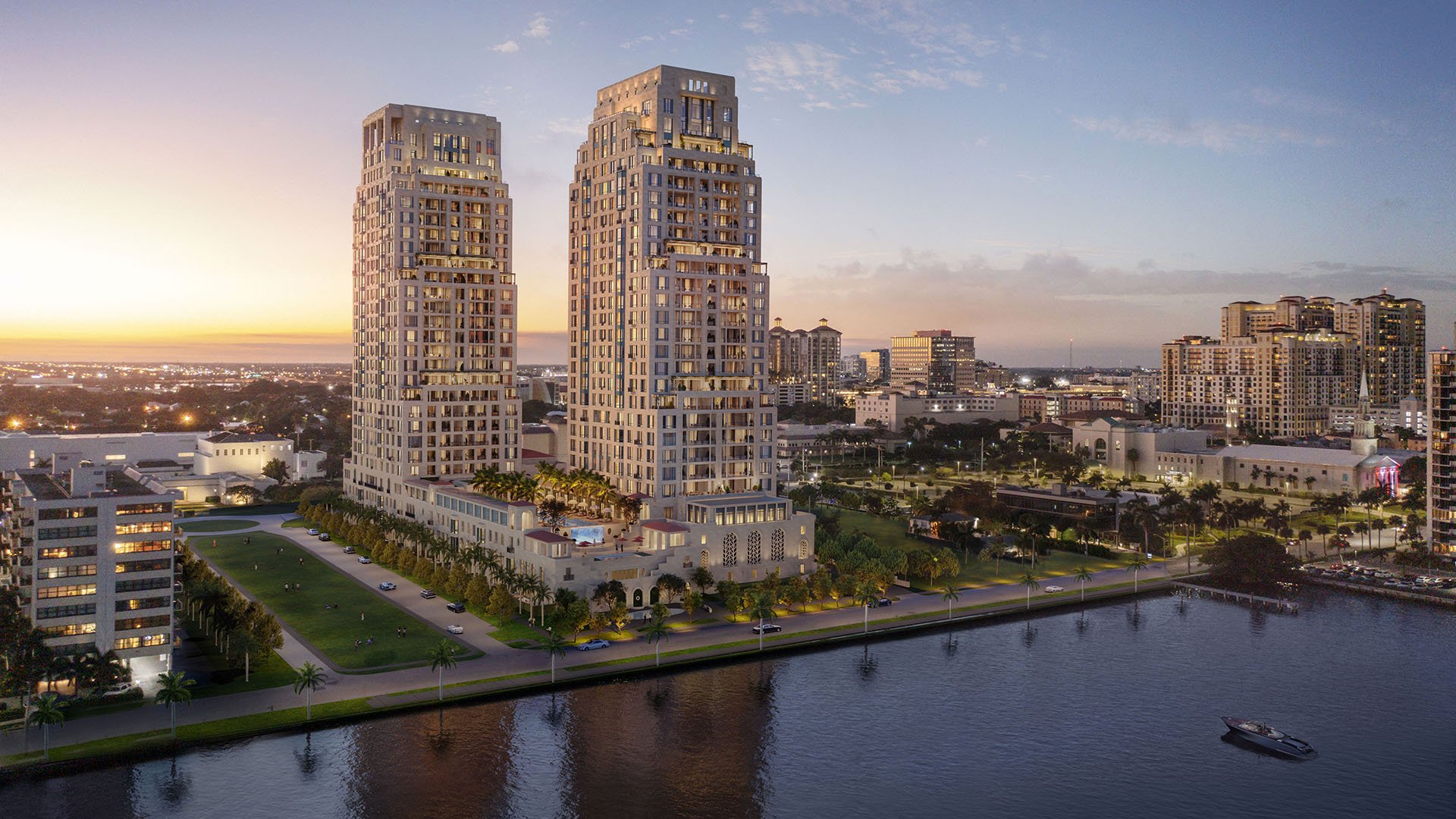
For a Geneva family buying on South Flagler Drive, the central planning document should be a dated liquidity map rather than a single purchase budget. It should coordinate contractual deposits, CHF/USD exposure, portfolio financing, closing requirements, and the first phase of ownership.
That distinction is especially important with preconstruction. The closing may be distant, but contractual obligations can arise earlier as specified milestones occur. Each installment should therefore have a designated funding source, currency plan, approval timeline, and contingency.
The governing question is not total wealth, but which dollars will be available at each milestone.
The executed agreement should control the funding calendar. For a residence at South Flagler House West Palm Beach, counsel and the buyer’s advisory team should identify every payment trigger, notice requirement, cure period, and closing obligation stated in the contract.
Record each obligation in both USD and its projected CHF equivalent. The working schedule should also identify the responsible decision-maker, the account from which funds will be sent, the documentation required by the receiving institution, and the earliest date on which the transfer can be authorized.
Construction timing may help with planning, but it should not replace the agreement’s language. If a milestone date shifts, the family office should update the forecast while preserving enough flexibility to meet the contractual requirement.
Portfolio-backed borrowing may help a family avoid selling investments at an inconvenient time. It can also introduce risk if availability changes, collateral values decline, borrowing costs move, or the facility’s currency differs from the purchase obligation.
Before treating a credit line as committed liquidity, obtain written terms addressing availability, eligible collateral, advance ratios, pricing, maturity, covenants, renewal, and transfer mechanics. The review should also establish whether the facility can fund a preconstruction deposit, a closing balance, or both.
A developer’s construction financing is separate from a purchaser’s personal credit. The existence of financing for a development does not establish an individual buyer’s eligibility or terms. The same discipline applies when evaluating a residence at Forté on Flagler West Palm Beach: buyer financing should be confirmed independently and in writing.
For each payment milestone, designate a preferred funding source and a practical fallback. A secondary source is useful only if it can be accessed within the contractual timeline and without depending on an unconfirmed approval.
A purchase denominated in dollars creates a series of currency decisions for a Geneva household whose assets or income remain primarily in Swiss francs. The relevant exposure is not limited to the final closing transfer. It extends to every deposit and purchase-related payment due in USD.
Model each obligation separately. The schedule can show the dollar amount, anticipated payment window, dollars already held, intended CHF funding source, and the effect of different exchange-rate scenarios. This makes it easier to compare progressive conversion, dedicated dollar reserves, and any currency strategy arranged through the family’s financial institution.
Currency and financing decisions should not be reviewed in isolation. Borrowing in one currency against assets held in another can add repayment and collateral considerations. A coordinated stress test should examine how market movements could affect both the borrowing base and the family’s cost of meeting dollar obligations.
The purchase price is only one component of the capital plan. Transaction costs and post-closing expenses should be maintained as distinct reserve categories rather than absorbed into the same pool used for deposits.
For families also considering Edgeworth West Palm Beach, the same framework applies: request project-specific documents, obtain current estimates from the appropriate professionals, and avoid applying assumptions from another building or transaction.
A useful reserve structure has separate compartments for the contractual purchase balance, transaction expenses, and ongoing ownership capital. Potential post-closing needs may include association charges, taxes, insurance, staffing, furnishings, maintenance, and other residence-specific expenses. The applicable amounts should come from current project documents, professional estimates, and the buyer’s intended use of the home.
Keeping these categories separate protects operating flexibility. It also makes it easier for the family office to identify whether a proposed financing change solves a genuine liquidity need or merely shifts pressure to a later date.
Deposit practices, milestone definitions, financing provisions, and closing requirements can differ among South Flagler Drive opportunities. A general market convention should never replace review of the specific contract.
Florida counsel should confirm the meaning of each payment trigger and explain the agreement’s provisions governing deposits, default, assignment, escrow, and closing. Tax, lending, currency, and wealth-planning questions should be directed to the family’s relevant advisers in each jurisdiction.
This project-by-project approach is particularly important when comparing preconstruction with delivered residences. The funding sequence, diligence materials, and time available for financing may not be the same. A control sheet should therefore be rebuilt for each contemplated acquisition rather than copied from a prior transaction.
The final control sheet should unite legal milestones, USD liquidity, portfolio credit, and currency exposure. Set internal decision dates ahead of contractual deadlines, identify who can authorize transfers, and keep compliance documents ready for the relevant Swiss and U.S. institutions.
The family office should review the sheet after any material change in timing, financing availability, portfolio composition, or currency strategy. Legal, banking, and advisory teams should work from the same current version so that assumptions do not diverge.
The objective is resilient execution rather than maximum leverage: enough confirmed liquidity to meet each obligation without a forced asset sale, a hurried currency conversion, or dependence on financing that has not been approved.
To review South Flagler Drive opportunities with discretion and precision, connect with MILLION.
If branded residences are on your mind — as a home or as an allocation — we would be glad to share what we are seeing, privately.
Begin a quiet conversationEach contractual payment may occur at a different time and require a separate USD funding decision. A milestone-based plan coordinates liquidity before funds are due.
The executed purchase agreement should govern payment triggers and deadlines. Construction estimates should not replace the contract’s language.
A fallback can protect the transaction if the preferred account or credit facility is unavailable. It should be accessible within the contractual timeline.
Written terms should address availability, collateral eligibility, advance ratios, pricing, maturity, covenants, renewal, and transfer mechanics.
No. A developer’s construction financing is separate from an individual purchaser’s credit approval and loan terms.
Model the CHF funding needed for each USD obligation and review different exchange-rate scenarios. Coordinate those decisions with the timing of any borrowing.
Borrowing and currency choices can affect repayment costs and collateral exposure at the same time. A combined review reveals risks that separate analyses may miss.
Maintain distinct reserves for the closing balance, transaction expenses, and post-closing ownership needs. Current documents and professional estimates should determine the applicable amounts.
No. Deposit triggers, financing provisions, and closing requirements can vary by project and contract.
It should combine legal milestones, USD liquidity, portfolio credit, currency exposure, authorization responsibilities, and internal decision dates.