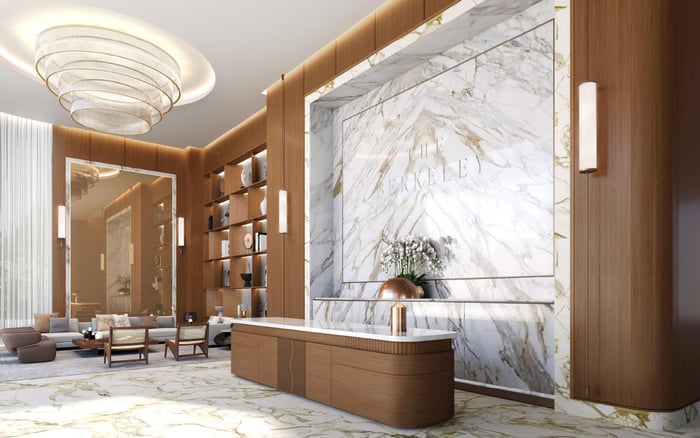
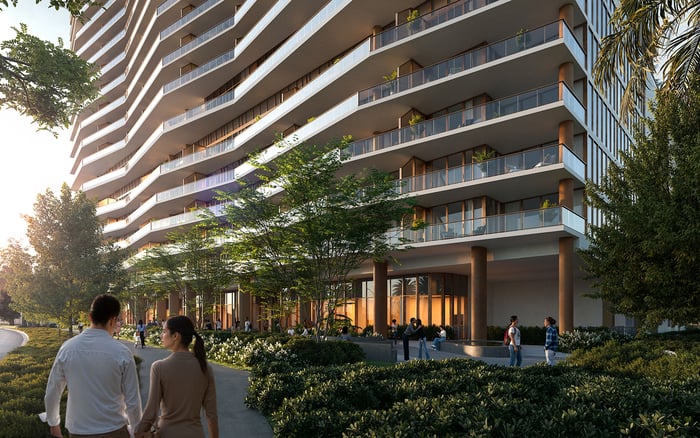
A buyer-focused framework for comparing Forté on Flagler and Shorecrest through privacy, circulation, amenities, waterfront context and due diligence in West Palm Beach.
For luxury buyers, low density can involve more than the total number of residences. The experience may also depend on floor-by-floor layouts, elevator access, arrival sequences, shared-space circulation and the relationship between private and communal areas.
Within this framework, buyers can consider Forté on Flagler West Palm Beach and Shorecrest Flagler Drive West Palm Beach as distinct candidates for further review. Any comparison should rely on current project materials and residence-specific information rather than assumptions based on positioning alone.
A meaningful density review starts with how residents move through a property. Buyers should examine the number of homes sharing each corridor, the elevator configuration, access between parking and residences, guest arrival procedures and the placement of service areas.
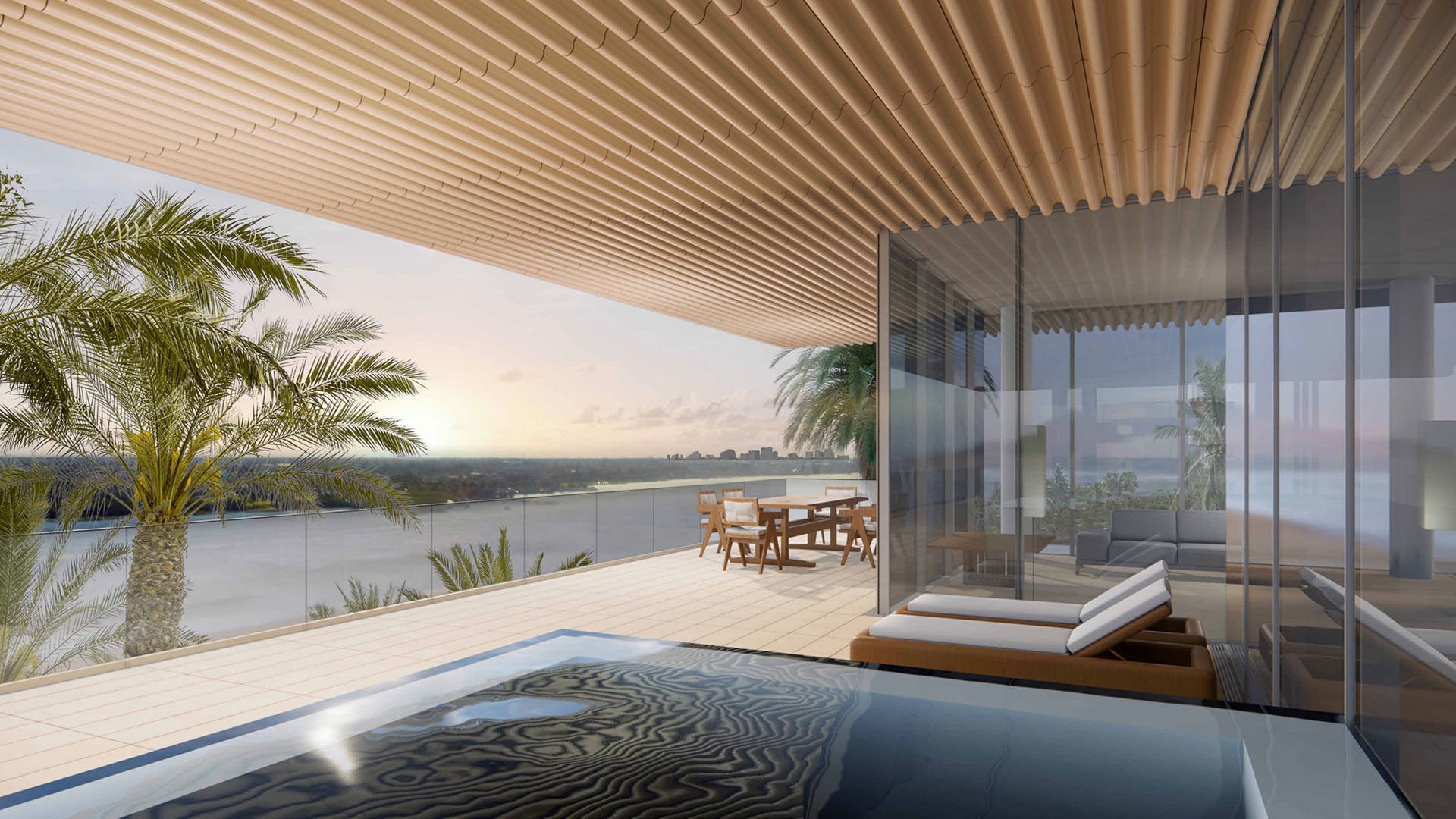
Private outdoor space also deserves close attention. Terrace depth, exposure, privacy screening and connections to interior rooms can influence whether outdoor areas function as genuine living spaces. These qualities should be assessed for the specific residence under consideration.
Location within West Palm Beach can shape outlooks, daily routes and proximity preferences. Buyers comparing Flagler Drive options may also review South Flagler House West Palm Beach and Alba West Palm Beach to broaden the residential project set.
These properties should not be treated as interchangeable. The useful exercise is to compare each project’s current plans, residence mix, circulation, amenity access and location according to the buyer’s own priorities.
Amenity quantity alone does not determine the residential experience. Placement, access, operating arrangements and anticipated patterns of use may matter just as much. Buyers should consider whether wellness, recreation, entertaining and guest spaces align with how they expect to live.
Operational details also require verification. Staffing, reservation procedures, guest policies, service scope and associated costs can affect how private and convenient a building feels in practice.
Before selecting a residence, buyers should request current availability, floor plans, specifications, disclosures, estimated costs and applicable purchase documents. Delivery timing, construction status and final operating arrangements should be confirmed directly for the property being considered.
Views and exposures should be evaluated at the residence level. Orientation, neighboring development and floor position can create meaningful differences within the same building, so broad project descriptions should not replace unit-specific review.
The better fit depends on how the buyer defines privacy. Some may prioritize a limited overall residential population, while others may focus more heavily on the number of nearby neighbors, elevator access or separation between private and shared spaces.
A disciplined comparison should therefore combine project-level review with residence-level analysis. The final choice should reflect verified information, intended use, carrying-cost tolerance and personal preferences for location, service and shared amenities.
What does low-density living mean in a condominium? It can refer to the overall residential population, the number of homes per floor and how circulation and shared spaces are organized.
How should buyers compare Forté on Flagler and Shorecrest? Compare current plans, residence-specific details, privacy, circulation, amenities, costs and location preferences using verified project information.
Why do floor-by-floor layouts matter? They help buyers understand corridor activity, proximity to neighbors and the path between elevators and individual residences.
What elevator details should buyers review? Buyers should examine elevator access, sharing arrangements, service circulation and connections among parking, amenities and residences.
How should private outdoor space be assessed? Review terrace dimensions, depth, exposure, screening and the connection between outdoor areas and primary interior rooms.
Do more amenities always create a better experience? No. Placement, accessibility, operating procedures and relevance to the buyer’s routine may be more important than the number of spaces.
What project information should be verified directly? Confirm current availability, plans, specifications, costs, purchase documents, construction status and delivery details.
Why is residence-specific view analysis important? Orientation, floor position and surrounding conditions can cause outlooks and privacy to vary within one property.
What operating details can affect privacy? Staffing, guest procedures, amenity reservations, service access and shared-space management can influence the daily experience.
How can a buyer make the final choice? Weigh verified property information against intended use, budget, preferred location, service expectations and personal definitions of privacy.
To compare the best-fit options with clarity, connect with MILLION.
If branded residences are on your mind — as a home or as an allocation — we would be glad to share what we are seeing, privately.
Begin a quiet conversation