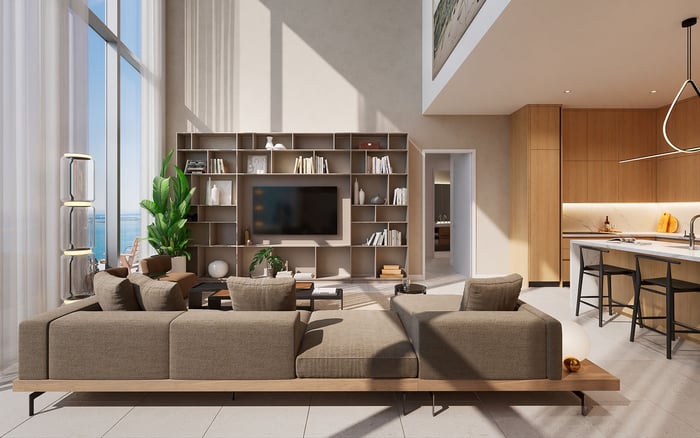
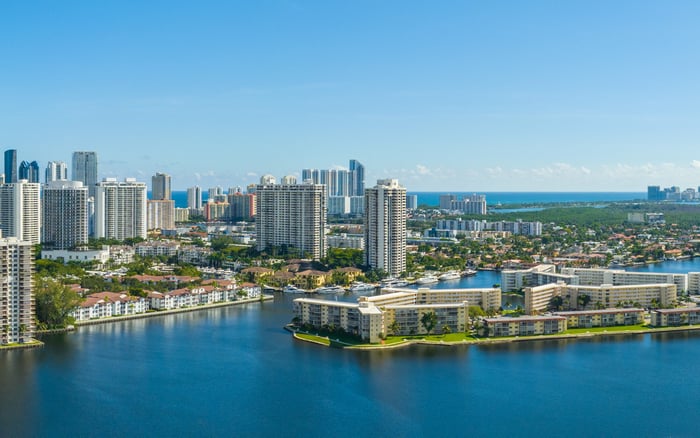
Avenia Aventura’s boutique waterfront proposition invites a more deliberate second-home checklist: coverage for seasonal occupancy, written responsibilities for an empty residence, and tax planning tied to actual use.
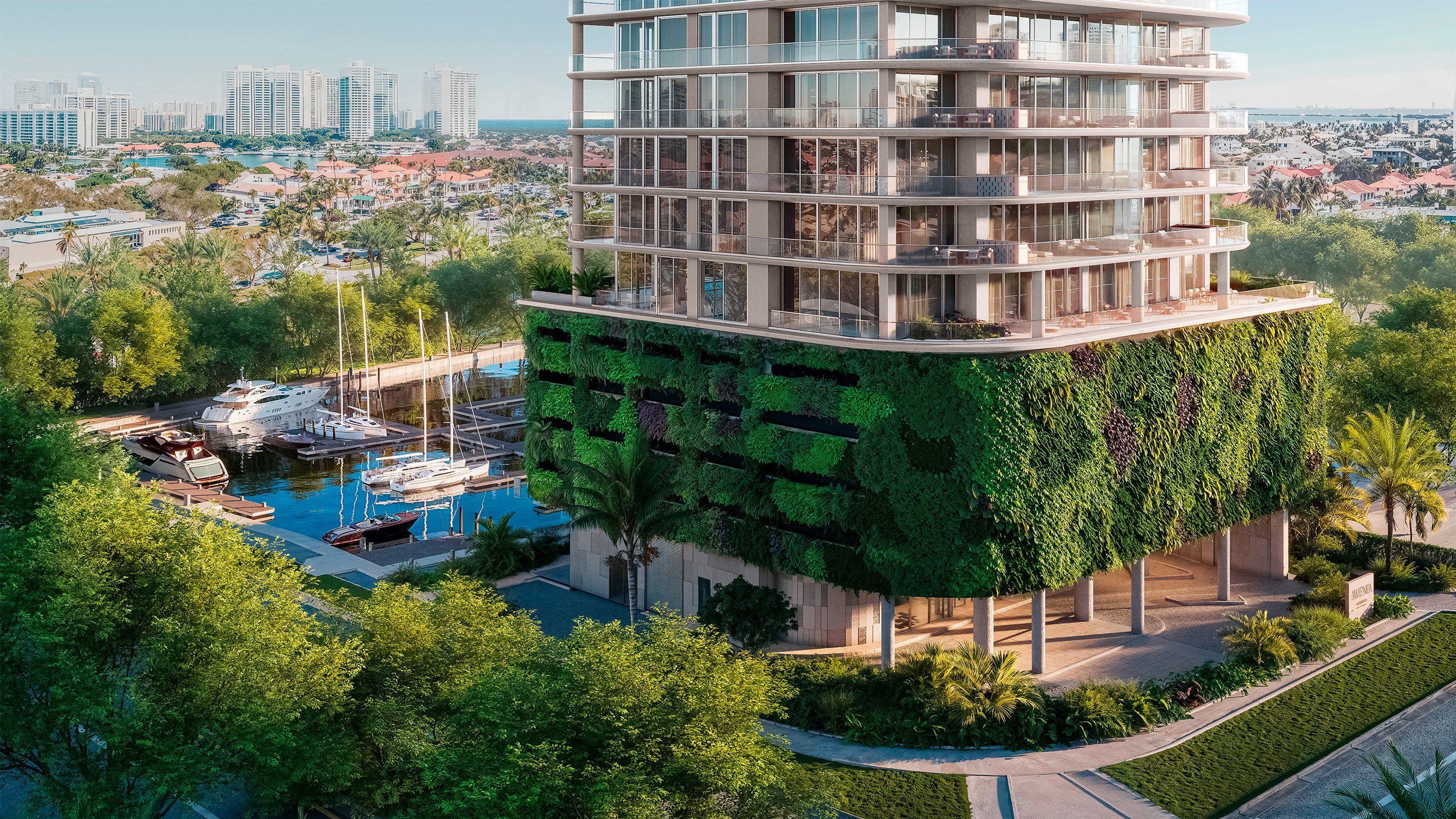
The appeal of Avenia Aventura is clear: a marketed collection of just 22 waterfront residences, interiors by FENDI Casa, and three- and four-bedroom plans with only two residences per floor. For a buyer seeking an Aventura retreat, that combination suggests privacy and room to settle in-not simply somewhere to spend a weekend.
Yet a second residence needs a different operating plan from a primary home. The central question is not only how beautifully it lives when occupied, but who protects it while the owner is elsewhere. Insurance, staffing, and tax planning should begin with an honest account of anticipated use: family visits, extended absences, guests, and any contemplated rentals.
Avenia’s second-home appeal is an editorial judgment, not confirmation of a turnkey absence-management program. Treat effortless ownership as something to document and arrange, not something implied by the address or design signature.
Residences are described as approximately 3,500 square feet, with private elevator lobbies-a substantial home to furnish, inspect, and maintain. The advertised rooftop swimming, dining, and lounging amenities, along with wellness facilities and spa-like communal spaces, speak to the residential experience. They do not establish who checks an unattended bathroom or admits a repair technician.
Before committing, request a written service menu that separates association responsibilities, optional paid services, and work the owner must arrange independently. Ask whether in-unit inspections are available, what they cover, how they are recorded, and who is notified of an urgent finding.
The same precision applies to furnishings. Interiors by FENDI Casa should not be read as an included furniture package; the project is also marketed as unfurnished. Buyers with Fendi Château Residences Surfside on their shortlist should ask the same distinct questions about design attribution, contractual inclusions, and private-home care, without assuming the two properties offer identical arrangements.
Start by requesting the association’s proposed master coverage and an individual unit-owner quotation. Ask the insurance adviser to explain where responsibility for the building ends and responsibility for the residence begins. The objective is a written coverage map, not a general assurance that the condominium is insured.
Describe expected absences accurately. Ask how the proposed policy treats seasonal occupancy, whether it distinguishes an unoccupied home from a vacant one, and whether inspections or monitoring are required. If remote alerts are contemplated, establish who must respond and whether that arrangement satisfies the insurer’s conditions.
Request specific treatment of wind and flood exclusions, applicable deductibles, interior replacement costs, valuables, and any proposed rental use. Have the adviser explain the owner’s potential exposure under the quoted terms, including how association deductibles might affect the unit owner. Do not infer flood protection from a waterfront address or comprehensive protection from a premium purchase price.
Finally, reconcile the insured interior with the planned fit-out. Furniture, art, and other personal contents warrant a separate conversation from the developer’s finishes. These are quotation and document-review prompts, not statements of Avenia’s eventual policy terms.
An effective absence plan should identify a primary contact, a backup, access permissions, and spending authority. Whether the buyer chooses an independent home-watch provider, a household manager, or separately arranged housekeeping, the scope should be written and coordinated with building procedures.
Define the practical assignments before the first extended departure:
Set an inspection schedule and specify which rooms, fixtures, and systems are checked.
Assign housekeeping, arrival preparation, and vendor access rather than assuming they overlap.
Establish a leak-response chain, including emergency entry and owner notification.
Allocate balcony preparation and storm communications, subject to building requirements.
Require a record of visits, findings, approved work, and unresolved items.
For each paid arrangement, have the appropriate adviser review the engagement terms and any employment, insurance, or access questions. The aim is not necessarily a larger household team, but a smaller number of clear responsibilities, with no critical task left between providers.
Ask who takes over when the usual contact is unavailable. A monitoring alert is useful only if someone has the authority and a practical way to act on it.
A residence in Aventura is not a tax outcome in itself. Before selecting an ownership structure, ask counsel and a tax adviser to assess the buyer’s circumstances, expected occupancy, and longer-term plans. Have them confirm homestead eligibility rather than building an assumed benefit into the purchase budget.
Request a property-tax estimate appropriate to the contemplated acquisition and completed residence. Keep it separate from association charges, insurance, furnishing costs, and private services. An attractive purchase-price benchmark does not settle annual carrying costs.
If rentals are contemplated, ask the adviser to address personal-versus-rental treatment, recordkeeping, and any rental-tax registration obligations. International buyers should also obtain advice on foreign-owner sale and estate exposure before deciding how to hold title. These matters require individualized review; they are not uniform consequences of buying a second home.
The useful deliverable is a coordinated ownership memo: who will own the residence, how it will be used, what records should be retained, and which assumptions require another review before closing.
Avenia is marketed with a “Flexible” rental policy, but that wording does not establish a minimum lease duration, an annual rental allowance, or permission for nightly stays. Obtain the condominium documents and confirm applicable requirements before including rental income in the ownership model.
Maintenance charges remain to be determined. Advertised starting prices around $5 million are a marketing benchmark, not a current quotation for a particular residence. Likewise, anticipated completion in early 2027 is an expectation, not a guaranteed delivery date. Keep insurance, staffing commencement, furnishings, and travel commitments aligned with the contractual delivery framework.
Waterfront use deserves separate clarification: the advertised private marina includes a pick-up/drop-off slip, which does not establish permanent berth ownership.
For buyers also considering Turnberry Ocean Club Sunny Isles, the same written checklist-coverage, in-unit services, rental permissions, and ownership costs-provides a useful basis for comparison. Request property-specific answers rather than transferring assumptions between addresses.
Avenia’s intimate scale and design proposition may be compelling. A stronger second-home decision pairs that appeal with confirmed coverage, accountable care, and individualized tax advice, planning for absence as thoughtfully as arrival.
For a discreet perspective on your South Florida second-home shortlist, connect with MILLION.
If branded residences are on your mind — as a home or as an allocation — we would be glad to share what we are seeing, privately.
Begin a quiet conversationExtended absences make insurance conditions, in-unit care, and emergency access especially important. Tax planning should also reflect actual occupancy and any proposed rental use.
Avenia is marketed as a collection of 22 waterfront residences, with three- and four-bedroom plans and only two residences per floor.
No furniture inclusion should be inferred from the design attribution. The project is also marketed as unfurnished, so buyers should confirm contractual inclusions.
Request the association’s proposed master coverage and a unit-owner quotation addressing seasonal occupancy, exclusions, deductibles, interior replacement costs, valuables, rental use, and monitoring requirements.
No. Rooftop and wellness amenities do not establish private inspection, housekeeping, maintenance, or emergency-response services; request a written service menu.
Assign inspections, housekeeping, vendor access, leak response, balcony preparation, and storm communications. Identify a primary contact, backup, and clear access and spending permissions.
No. Have counsel or a tax adviser confirm eligibility based on the buyer’s circumstances rather than assuming a benefit in the ownership budget.
The advertised wording does not establish permission for nightly rentals or specify lease limits. Review the condominium documents and confirm applicable requirements before budgeting rental income.
Maintenance charges are marked as to be determined. Early-2027 completion is anticipated, not guaranteed.
The marketing describes a private marina with a pick-up/drop-off slip. That description does not establish a right to permanent berth ownership.