At 2000 Ocean, private elevator landings are a documented residential feature, not confirmation of separate service infrastructure. Buyers should examine elevator dimensions, loading routes, scheduling, and event permissions before committing to a move or installation.
A residence can accommodate a remarkable collection without offering an uncomplicated route for bringing it home. For buyers considering 2000 Ocean Hallandale Beach, that distinction deserves attention alongside the views, floor plan, and finishes. Service-elevator capacity is not simply a question of how much an elevator can lift. It also concerns what fits, when access is available, and how deliveries intersect with residential life.
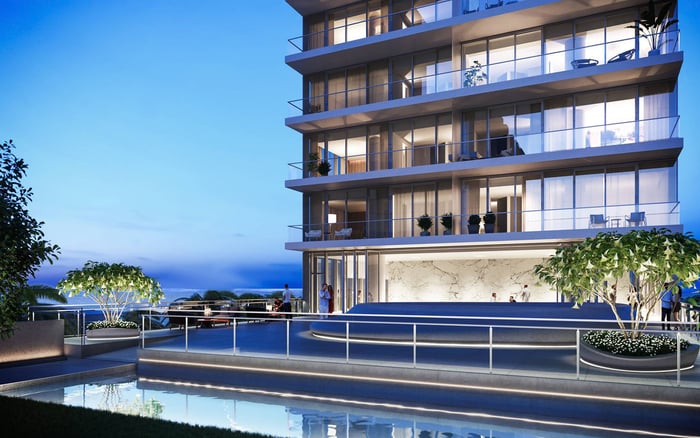
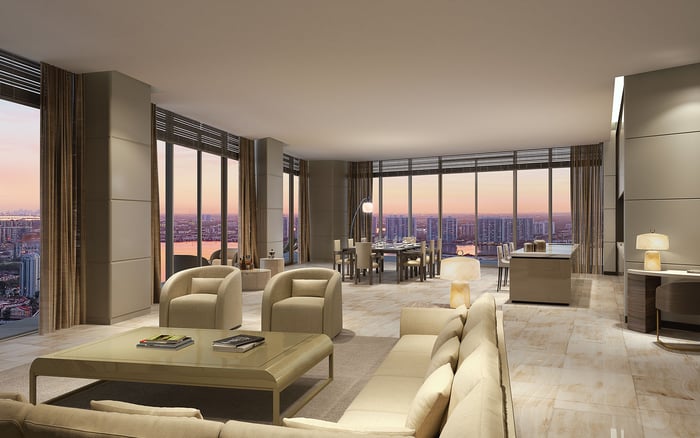
At 2000 South Ocean Drive in Hallandale Beach, the 38-story oceanfront tower offers half-floor residences, full-floor penthouses, and a duplex sky villa with a private pool deck. Flow-through layouts and approximately 10-foot ceilings create an appealing setting for substantial furnishings and art. The practical task is to establish whether each intended delivery can reach that setting safely and within building rules.
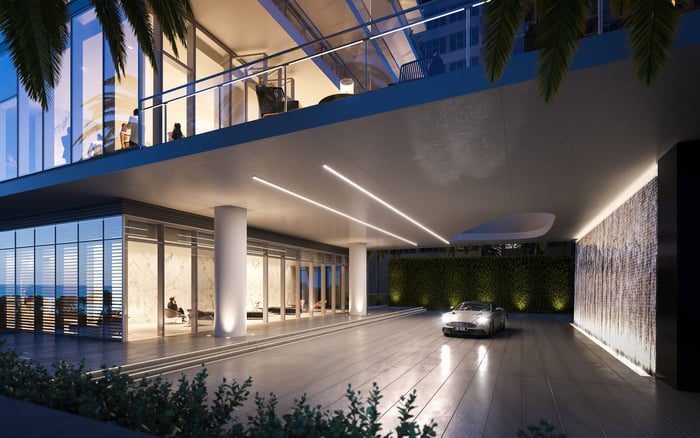
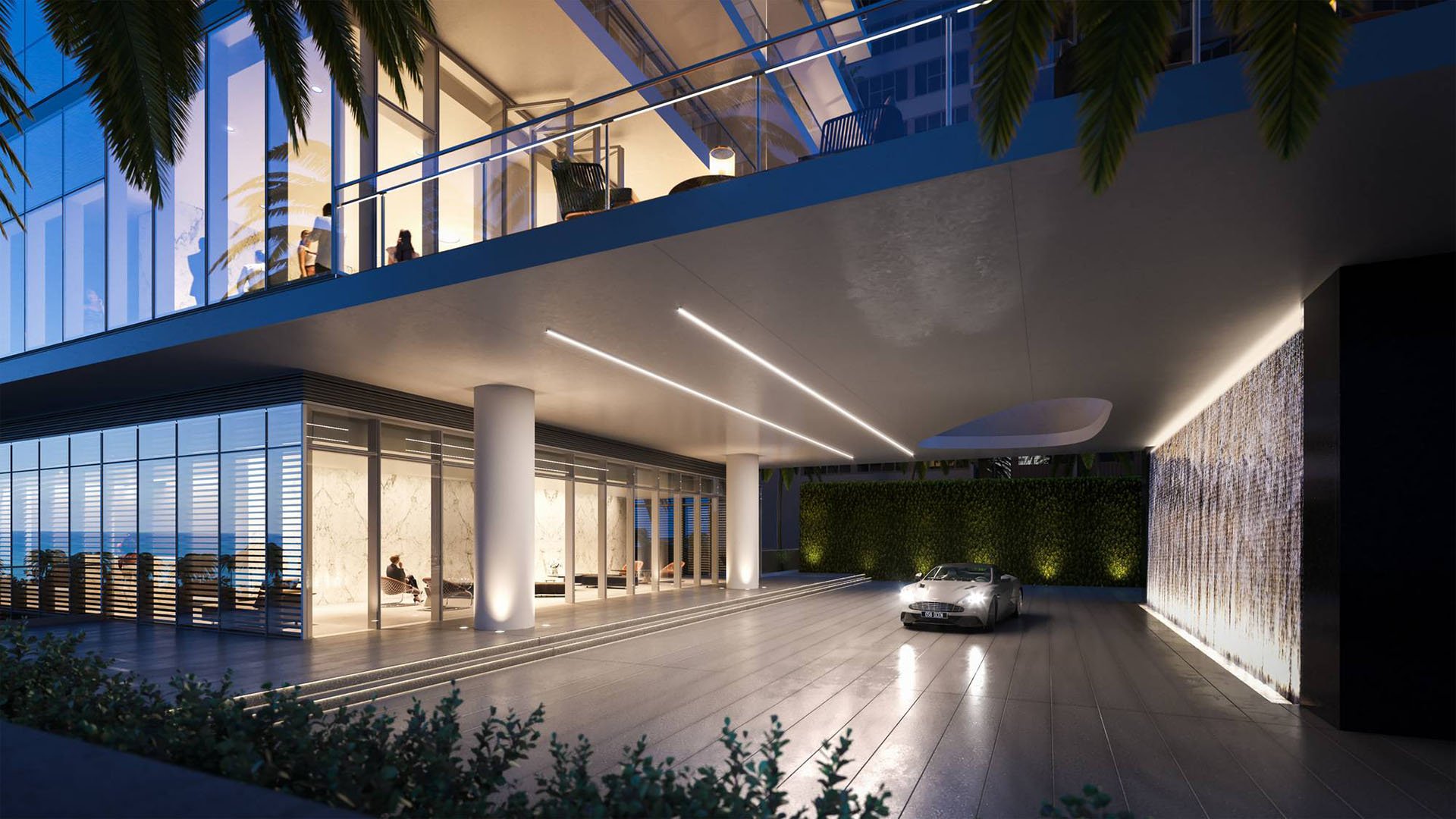
Residences feature private elevator landings. That is a meaningful residential-access feature, but it does not establish dedicated service shafts, separate vendor circulation, or a backup elevator for deliveries. An assisted private entrance and valet service likewise do not confirm a particular loading arrangement.
Before purchase, request written confirmation of the elevator arrangement available to movers, installers, and caterers. The service-elevator count, cab dimensions, door clearances, rated load, and reservation rules all require direct confirmation. Ask which elevator vendors may use and whether their access overlaps with resident arrivals.
Treat capacity as three connected questions: physical fit, permissible load, and usable time. A satisfactory answer to one does not resolve the others. A large cab may still sit beyond a restrictive doorway, while an item that fits may require more handling time than the proposed reservation allows.
Start with the objects least likely to negotiate a tight turn: a long dining table, a deep sofa, or a substantial cabinet. Ask the mover to prepare a dimensioned inventory and check it against the building-approved delivery route. Interior floor area alone cannot establish whether an object will reach its intended room.
The move review should cover:
Cab drawings, clear interior dimensions, door openings, and rated load.
Reservation lead times, permitted moving hours, and the duration available.
Mover insurance requirements and protection rules for shared finishes.
Truck-size restrictions, loading-zone height and access, and valet coordination.
Contingencies if the designated elevator becomes unavailable.
Have the mover explain the proposed sequence, not merely confirm that the largest piece fits. Ask management where items may wait between unloading and elevator transport-and whether staging is permitted at all. A plan that depends on an unapproved holding area is not yet workable.
Before fixing a move date, obtain approval for the actual inventory and schedule. Establish who authorizes a revised window if access is interrupted and what alternative arrangements, if any, management permits.
For collectors, the relevant measurement is the transport envelope, including the crate, protective materials, and handling equipment. The artwork's displayed dimensions are only the beginning. Ask the installer to identify the clearance needed to maneuver the packaged work without compromising its handling requirements.
Management and the art installer should measure the complete route together: loading access, intervening doors, turns, cab interior, elevator exit, and residence entrance. Where orientation matters, the installer should confirm whether the work can safely be tilted or rotated. Do not assume that unpacking earlier will solve a clearance problem.
Floor-to-ceiling sliding glass walls connect the residences with outdoor areas and views of the Atlantic Ocean and Intracoastal Waterway. They define the living environment, not an approved alternative delivery route. Any proposed transport method outside the standard route requires separate review and authorization.
If a collection is central to the purchase, resolve fit before closing. Buyers also considering Fendi Château Residences Surfside should apply the same object-by-object review there, without assuming that access arrangements carry over from one property to another.
2000 Ocean's amenities include sunrise and sunset pools, private beach access with dedicated service, and a stand-alone spa pavilion with yoga, ice, and massage rooms. Expansive outdoor spaces and an outdoor bar contribute to the setting. None of these features, on its own, establishes permission for a private event or exclusive use of an amenity.
For an intended gathering, distinguish hosting inside the residence from reserving a shared space. Confirm guest limits, booking permissions, catering access, rental-equipment deliveries, and any elevator-priority arrangements. Ask how vendors enter, where equipment may be staged, and whether deliveries must occur within a specific window.
Discuss setup and breakdown separately. A dinner may require several coordinated arrivals; collection of tables, flowers, or catering equipment may need another approved window. The useful question is whether the entire sequence can be accommodated, not merely whether guests may attend.
An assisted entrance or valet operation is not a promise of event logistics. Establish a clear division of responsibilities among management, the host, the planner, and each vendor before making commitments.
If your search extends to Sunny Isles Beach and Jade Signature Sunny Isles Beach, bring the same inventory and proposed hosting schedule to that review. Comparing an identical set of requirements is more useful than comparing broad descriptions of service.
For each candidate residence, request written answers on physical fit, scheduling, loading access, vendor circulation, and outage arrangements. Keep confirmed permissions separate from requests awaiting approval. This grounds the comparison in how you intend to occupy the home.
The objective is not to declare one building superior because it advertises private arrival. It is to identify which residence has a documented, approved route for the furnishings, collection, and entertaining plans that matter to you.
Before committing, assemble the unit-specific floor plan, elevator information, delivery-route measurements, moving rules, and any relevant event policies. Residence-size ranges should not substitute for the plan of the particular home, especially when evaluating different residence types or distinguishing interior space from terraces.
Review this material with management and the professionals who will perform the work. Where a delivery or event depends on an exception, seek explicit approval rather than relying on a general assurance that arrangements can be made.
At 2000 Ocean, service-elevator capacity is a due-diligence question, not a presumed strength or deficiency. The most reassuring result is a practical plan that connects the residence you admire with the way you intend to live in it.
For a discreet perspective on South Florida residences and the details that shape ownership, explore MILLION.
If branded residences are on your mind — as a home or as an allocation — we would be glad to share what we are seeing, privately.
Begin a quiet conversation2000 Ocean is located at 2000 South Ocean Drive, Hallandale Beach, FL 33009. The oceanfront residential tower has 38 stories.
The residence collection includes half-floor residences, full-floor penthouses, and a duplex sky villa with a private pool deck.
No. Private elevator landings are a documented residential-access feature, but they do not establish separate service shafts, vendor circulation, or backup availability.
Request cab drawings, clear interior dimensions, door openings, rated load, and confirmation of which elevator vendors may use. Booking rules and outage arrangements also require direct confirmation.
Physical fit does not establish that the permitted delivery window can accommodate the work. Buyers should have management and the mover confirm the inventory, handling sequence, and schedule.
Have management and the art installer measure the complete route, including loading access, doors, turns, the cab, and the residence entrance. Evaluate the packaged work and handling equipment, not just the artwork's display dimensions.
Yes, if accommodating the collection is central to the purchase. Confirm fit and any required approvals before relying on a proposed delivery method.
No. Buyers should separately confirm amenity reservations, guest limits, catering access, and any permissions needed for their intended gathering.
Confirm truck-size restrictions, loading-zone height and access, permitted staging, and coordination with valet operations. Do not assume these arrangements from the presence of valet service.
No. Use the unit-specific floor plan and measured delivery route to evaluate each substantial item, rather than relying on a published residence-size range.