Miami’s seven-match World Cup calendar calls for thoughtful property management, realistic rental assumptions, and precise transport planning, with the stadium in Miami Gardens rather than the coastal residential districts.
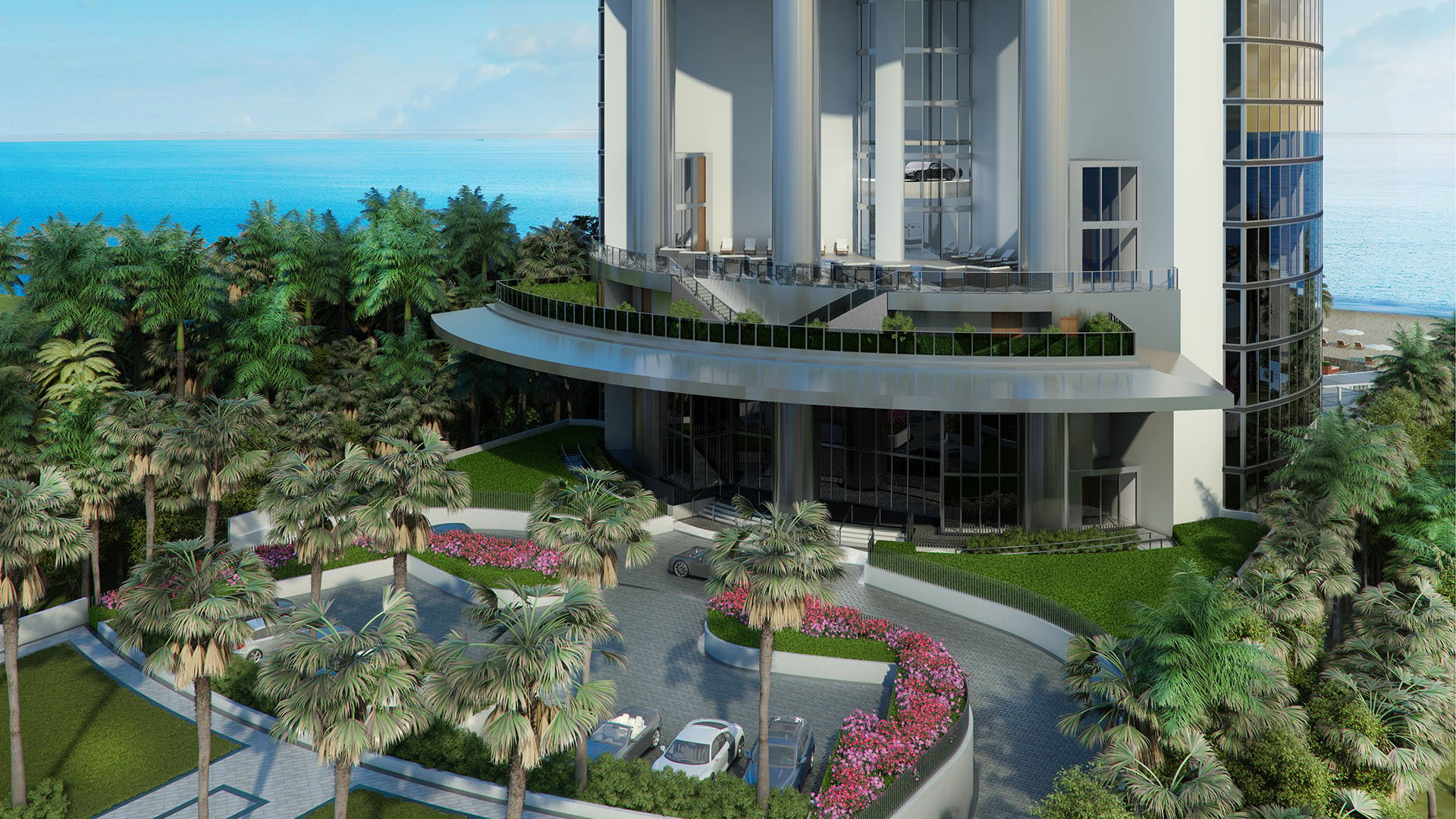
For South Florida’s luxury property owners, planning for the FIFA World Cup 2026 begins with a geographic distinction. All seven Miami matches are scheduled for Miami Stadium, the tournament name for Hard Rock Stadium, in Miami Gardens. Neither Downtown Miami nor Miami Beach is the match venue. A residence’s appeal as a place to stay should therefore be assessed separately from the practicalities of reaching the stadium.
The scheduled local calendar spans June 15 through July 18, 2026. For owners, that interval provides a framework for coordinating personal stays, invited guests, property management, and any legally permitted rentals. The question is not simply whether international attention creates opportunity, but whether a residence can accommodate its intended use without compromising privacy, compliance, or everyday operations.
Miami’s scheduled group-stage fixtures are Saudi Arabia versus Uruguay on June 15, Uruguay versus Cabo Verde on June 21, Scotland versus Brazil on June 24, and Colombia versus Portugal on June 27. The first two fixtures have scheduled 6 p.m. Eastern kickoffs.
The calendar continues with a Round of 32 match on July 3, a quarterfinal on July 11, and the bronze final on July 18. That last fixture is the third-place match, not the tournament final. Owners should avoid language that suggests otherwise.
Use these dates as coordination points, not assumed occupancy nights. Guest arrivals, departures, housekeeping, and maintenance require their own calendar. A household attending one match may have very different requirements from a group staying across several fixtures. Confirm actual plans before committing staff or reserving the residence for an extended period.
For owners considering Aston Martin Residences Downtown Miami, the distinction matters: a Downtown Miami residential address and a stadium itinerary are separate decisions. Neither the district nor the project name establishes a transfer time or permission to rent.
Miami International Airport is the official local World Cup gateway, with preparations covering operations, customer service, security, and ground-transport connectivity. That coordination does not replace a household’s own arrival plan. Establish who meets guests, who receives flight updates, and how guests will access the residence if arrival times change.
Stadium transportation requires a separate plan. Verified match-ticket holders can use free round-trip shuttle service between four confirmed transit hubs and Miami Stadium. Transit, park-and-ride, shuttle, and rideshare options are also part of match-day transportation arrangements.
Treat a private vehicle as one option, not a promise of effortless access. Multiple security perimeters and another ticket scan at the stadium security perimeter make vehicle arrival and admission distinct milestones. Avoid promising a precise door-to-seat journey without confirming the applicable arrangements.
For a Brickell household evaluating Una Residences Brickell, map the full sequence: residence departure, transport connection, security, and the return journey. Confirm where guests should reconnect if their group separates.
The tournament calendar does not establish that a particular residence may accept short stays. Before offering a property, verify the applicable municipal requirements, condominium documents, insurance terms, and taxes. These are property-specific questions; neither a neighborhood’s popularity nor a building’s luxury positioning answers them.
Ask management to clarify minimum lease terms, application procedures, occupancy conditions, guest registration, and vendor access where relevant. Obtain professional advice on unresolved legal, insurance, or tax matters before accepting a booking. Distinguish permission to host personal guests from permission to enter into a rental arrangement.
For a Miami Beach property such as Setai Residences Miami Beach, the name alone is not evidence of a particular unit’s rental rights. The same discipline applies across the luxury market: confirm the residence, ownership documents, and intended use rather than relying on assumptions about the address.
If rental use is not appropriate, owners can still prepare for personal occupancy or invited guests. That choice may serve the household better than changing its plans around an untested income expectation.
Private transfers, multilingual assistance, housekeeping, and reliable maintenance are sensible service considerations. They do not guarantee stronger demand or higher nightly rates. Decide which services the household needs, who provides them, and how costs are approved.
Second-home owners should prepare a concise residence brief covering access instructions, household contacts, maintenance escalation, and applicable building rules. Limit sensitive access information to those who need it. Coordinate with management before arranging deliveries or vendor visits, and confirm that each proposed service fits the building’s procedures.
For a Sunny Isles Beach residence such as Jade Signature Sunny Isles Beach, apply the same approach without assuming any particular project service or rental policy. Establish responsibilities in advance rather than leaving guests to discover who handles a late arrival or maintenance issue.
Luxury in this context is operational clarity. A well-prepared residence should make the essentials clear to guests without requiring the owner to manage every exchange personally. Favor dependable arrangements over an elaborate, unconfirmed service menu.
A seven-match calendar is not a private-residence revenue forecast. It does not establish full occupancy, premium nightly rates, or an increase in property values. Owners should separate the event’s visibility from the financial performance of an individual home.
If permitted rental use is under consideration, build a property-specific budget. Include management, housekeeping, transport commitments, insurance considerations, taxes, and any applicable building charges. Test the result against fewer booked nights or higher service costs rather than basing a decision on the most optimistic scenario.
Personal use belongs in that assessment as well. An owner may prefer to reserve the residence for family, preserve flexibility, or avoid additional coordination. Weigh those choices alongside potential income rather than treating them as secondary.
Bring the essential decisions into one document: intended occupants, confirmed permissions, arrival arrangements, match-day transportation, household contacts, vendor instructions, and spending authority. Assign responsibility for each task and identify which changes require the owner’s approval.
The strongest preparation connects the stadium calendar to the residence without confusing the two. An exceptional address can provide the setting; careful management must still provide the experience.
For a discreet conversation about South Florida residences and your ownership priorities, connect with MILLION.
If branded residences are on your mind — as a home or as an allocation — we would be glad to share what we are seeing, privately.
Begin a quiet conversationMiami’s schedule includes seven matches, spanning June 15 through July 18, 2026.
All seven are scheduled at Miami Stadium, the tournament name for Hard Rock Stadium, in Miami Gardens.
The dates are June 15, June 21, June 24, June 27, July 3, July 11, and July 18, 2026.
No. Miami’s July 18 fixture is the bronze final, also called the third-place match.
Miami International Airport is the official local gateway, with preparations covering operations, customer service, security, and ground-transport connectivity.
It offers verified match-ticket holders free round-trip shuttle service between four confirmed transit hubs and Miami Stadium.
Stadium access includes multiple security perimeters and another ticket scan at the stadium security perimeter. Reaching the venue is not the same as completing admission.
No blanket permission can be assumed. Municipal requirements, condominium rules, insurance, and taxes require property-specific verification.
No. The match calendar does not establish occupancy, premium nightly rates, or property-value gains for an individual residence.
Include intended occupants, confirmed permissions, arrival and transport arrangements, household contacts, vendor instructions, and spending authority.