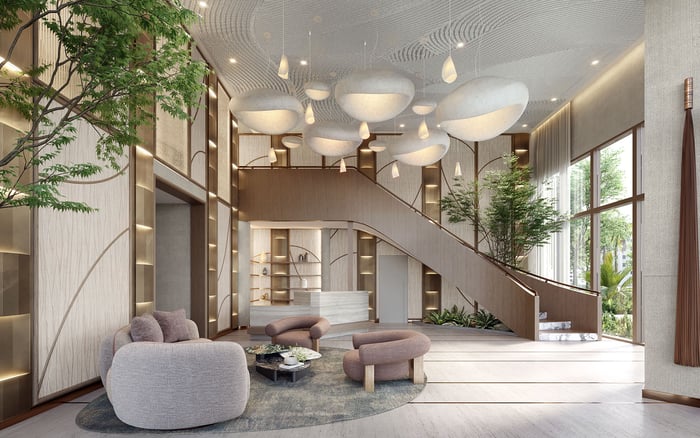
The Lincoln Coconut Grove advertises a considered wellness offering, but amenities and technical performance deserve separate scrutiny. A buyer-oriented guide to requesting evidence for air quality, domestic-water filtration, circadian lighting, and certification claims.
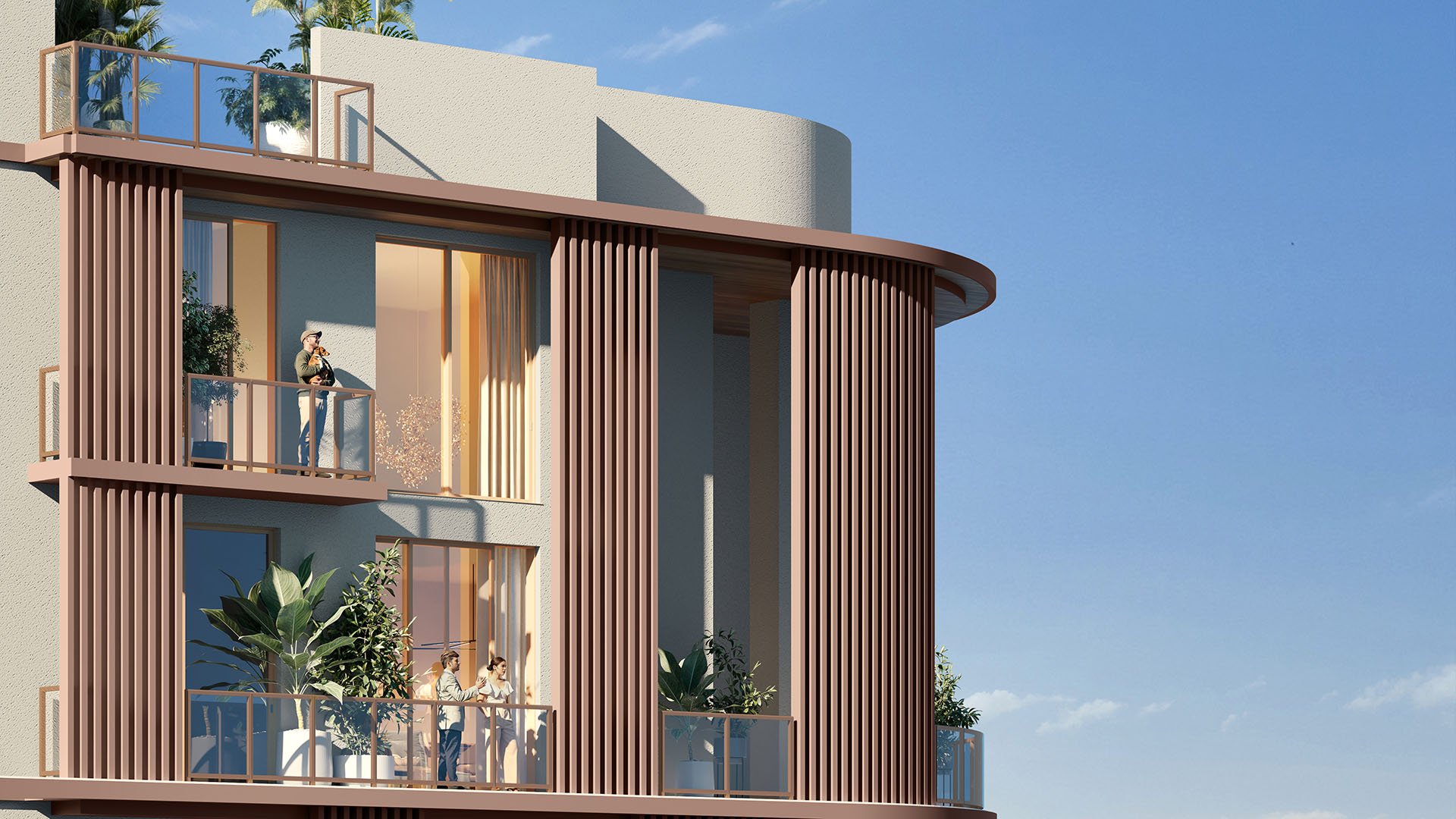
Wellness in a luxury residence has two dimensions: the experiences a building offers and the environmental conditions inside the home. At The Lincoln Coconut Grove, a boutique condominium development at 2650 Lincoln Avenue, the advertised wellness program gives buyers a clear starting point. It does not, by itself, establish how air, domestic water, or lighting will perform within an individual residence.
That distinction is not a criticism of the project. It is a purchasing discipline. A beautifully conceived spa can be evaluated as an amenity; an air-filtration claim requires equipment documentation and evidence of where it applies. Neither should stand in for the other.
The question for buyers is not whether wellness language sounds persuasive, but whether each feature that matters can be tied to a defined specification, a delivery commitment, and an appropriate verification step.
The Lincoln's advertised offering includes a 2,000-square-foot Zen spa-inspired wellness center, hot and cold plunge pools, a sauna, and a steam room. A fitness center and yoga pavilion extend the program. The broader project description places wellness, recreation, and social amenities throughout the building.
These are meaningful lifestyle considerations. Buyers who expect to use the yoga pavilion or thermal amenities regularly can assess their relevance without making assumptions about domestic-water treatment or bedroom lighting.
The critical distinction is residential scope. Ask which wellness features serve shared spaces, which serve individual homes, and which, if any, are optional. A shared-facility description is not a specification for every residence. Likewise, plunge-pool amenities are not evidence of specialized filtration at the kitchen tap.
The advertised amenities establish neither the presence nor the absence of advanced residential air filtration at The Lincoln. The useful next step is a written request for the proposed equipment and its precise scope-not a yes-or-no question about whether the building has healthy air.
Ask the sales and technical teams to identify equipment models, filter specifications, and the spaces served. Clarify whether a claimed feature applies to common areas, every residence, or selected locations within a home. Address ventilation and humidity control separately rather than allowing a filtration description to answer all three questions.
For any performance claim, request supporting product documentation and ask an independent mechanical professional to assess whether it addresses the advertised benefit. Then establish which installation checks and commissioning records will be available, and when. Keep the proposed specification and the installed system as separate entries in the buyer's file.
Finally, establish who would replace filters, how maintenance would be documented, and whether responsibility would rest with the owner or building management. These are diligence questions, not confirmed features or operating arrangements at The Lincoln.
Water-related wellness amenities and domestic-water treatment warrant separate evaluation. The Lincoln's advertised plunge pools, sauna, and steam room do not establish what treatment, if any, would serve drinking water or shower outlets.
Start with a written description of the proposed domestic-water system. Ask whether treatment would occur at building entry, within each residence, or at individual fixtures. Have the team identify precisely which outlets would receive treated water and whether any equipment would be an owner-selected upgrade.
If a contaminant-reduction claim is made, request the exact equipment model, the claimed reduction, and the supporting certification or testing documentation. An undefined phrase such as “purified water” is not a complete specification. Ask an independent water-treatment professional to review the documentation and advise whether outlet sampling would be appropriate.
Also request the maintenance schedule and allocation of replacement costs. The objective is a documented account of what the buyer would receive, not an assumption about what the building includes.
The Lincoln's designer is Paredes Architects. The building's decorative wood-slatted façade panels are described as producing changing patterns of light and shadow throughout the day. That architectural quality is distinct from a documented, engineered circadian-lighting system.
Buyers interested in circadian lighting should request the fixture schedule and lighting-control sequence for the actual residence. Ask what would change automatically over the day, which rooms would be included, how settings would be commissioned, and what occupants could override. A presentation emphasizing daylight or an attractive lighting scene does not answer those questions.
Any claimed circadian performance needs a defined basis for evaluation. Ask the lighting designer to identify the intended performance criteria and the measurements proposed to assess them. Request a demonstration when the relevant installation is available, but keep it separate from written performance evidence. The Lincoln's daylight-related design description should not be expanded into an unverified lighting promise.
The Lincoln is marketed as “Green Leed-certified,” with an emphasis on energy efficiency and environmental quality. That wording should remain a marketing description unless supported by an independently verifiable certification record. It does not establish a certification level or award date here.
Ask for the exact certification designation, project identity, status, and supporting record. Then ask which documented aspects, if any, address the specific air, water, or lighting claim under consideration. The buyer's question is precise: what does this evidence establish about this residence?
The Well Coconut Grove is a separate development that explicitly markets circadian lighting and medical-grade air filtration. Those claims belong to that project, not to The Lincoln. They remain claims to investigate, not substitutes for equipment and performance documentation.
If a shortlist also includes Four Seasons Residences Coconut Grove, apply the same questions without presuming equivalent systems. Compare defined scope, supporting documents, delivery commitments, and maintenance responsibilities. Evaluate shared amenities separately from in-residence environmental features.
The Lincoln can be evaluated on its advertised wellness amenities and architectural character while technical questions remain open. The evidence establishes neither the presence nor the absence of advanced air filtration, specialized domestic-water filtration, or engineered circadian lighting.
Before assigning value to any such feature, ask counsel to clarify how the purchase documents address the relevant specification, substitution provisions, and delivery obligations. Ask technical advisers what can be assessed now and what should be checked after installation. This keeps expectations precise without confusing uncertainty with deficiency.
For a discreet perspective on Coconut Grove residences and the details worth examining before purchase, connect with MILLION.
If branded residences are on your mind — as a home or as an allocation — we would be glad to share what we are seeing, privately.
Begin a quiet conversationThe Lincoln Coconut Grove is a boutique condominium development at 2650 Lincoln Avenue, Coconut Grove, Miami, FL 33133.
The advertised program includes a 2,000-square-foot Zen spa-inspired wellness center, hot and cold plunge pools, a sauna, a steam room, a fitness center, and a yoga pavilion.
The evidence discussed does not establish whether advanced air filtration is included or absent. Buyers should request equipment specifications, the spaces served, and installation-verification records.
Request equipment models, filter specifications, residential scope, and supporting performance documentation. Ask separately about ventilation, humidity control, and maintenance responsibility.
No. Shared wellness amenities do not establish the treatment serving kitchen taps, showers, or other residential outlets.
Ask where treatment would occur, which outlets it would serve, and which equipment would be used. Request documentation supporting any specific contaminant-reduction claim.
No. The panels are described as creating changing light and shadow, not as an engineered circadian-lighting system.
Buyers should request fixture schedules, control sequences, participating rooms, and defined performance criteria. Ask what commissioning checks and measurements would assess those criteria.
No. The marketing description does not establish an independently verified certification record, level, or award date; buyers should request the exact designation and supporting record.
No. The Well Coconut Grove is a separate development that markets circadian lighting and medical-grade air filtration, and those claims should not be attributed to The Lincoln.