For a primary-residence buyer in Las Olas, condominium diligence extends beyond the residence itself. The association’s finances, insurance, maintenance record, litigation, ownership profile, and rental characteristics can influence both present loan approval and the future buyer pool.
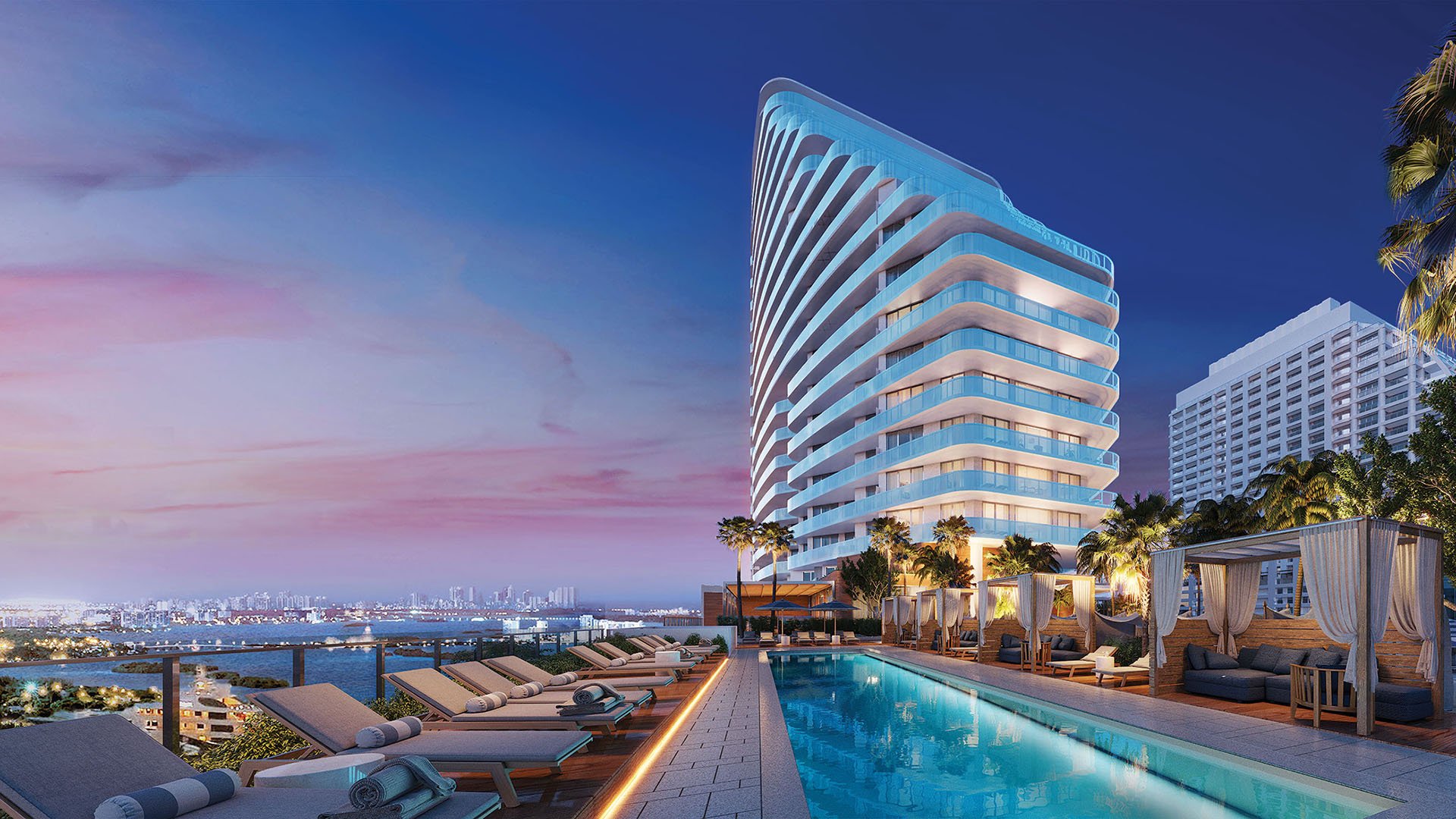
A primary residence in Las Olas may be judged by its layout, water outlook, privacy, and proximity to the life of Fort Lauderdale. Yet a lender evaluates another asset at the same time: the condominium project. Its governance, financial position, insurance, physical condition, ownership mix, and use restrictions can determine whether conventional financing is available.
That distinction matters even to a cash buyer. Warrantability applies to the project, not the individual unit. A beautifully renovated residence can sit within a condominium that requires portfolio or other nonconventional financing, potentially narrowing the pool of financed buyers when the owner eventually sells. For a Broward purchaser focused on long-term optionality, the building’s financeability belongs alongside title, inspection, and contract review.
The future marketability of a condominium begins with the financial and physical health of its project.
Form 1076 is a project-level questionnaire designed to collect information relevant to mortgage eligibility. It covers ownership, occupancy, assessment delinquencies, litigation, insurance, reserves, special assessments, and building condition. Because use of the form is optional, a lender may gather comparable information through another review process.
A completed questionnaire is evidence, not approval. Ask the proposed lender whether the project will receive a full review, limited review, or another form of approval, and obtain a direct answer about eligibility for the intended loan. The applicable path can vary with the financing and project characteristics.
This discipline should remain consistent across the local luxury spectrum, whether a buyer is considering Sixth & Rio Fort Lauderdale or another condominium near the Las Olas corridor. Project-specific answers will differ; the need to verify them does not.
Do not read the questionnaire in isolation. Compare it with the current association budget, reserve materials and balances, insurance declarations, litigation letter, owner roster, owner-occupancy information, recent meeting minutes, rental rules, inspection records, and every special-assessment notice.
The objective is consistency. If the questionnaire indicates no material repair concern while board minutes discuss leaks, structural issues, deferred maintenance, insurance disputes, assessments, or planned work, resolve the discrepancy before closing. The same applies when a budget, reserve study, or assessment notice suggests obligations not clearly reflected in the questionnaire.
Request current documents rather than relying on an older package prepared for a different transaction. At Four Seasons Hotel & Private Residences Fort Lauderdale, as with any project under consideration, the lender must assess the records relevant to the current loan and project condition.
Measure reserve strength against anticipated capital work rather than admiring it as a standalone balance. Weak reserves can lead to special assessments and may complicate project eligibility. Review the work contemplated, how it will be funded, whether owners are current, and whether the association has adopted a documented repair plan.
For every special assessment, verify its purpose, amount, payment status, and connection to structural, life-safety, roof, façade, waterproofing, or other building-envelope obligations. An assessment that appears manageable in isolation can carry different significance if it funds unresolved critical repairs or follows a pattern of underfunding.
For a Florida condominium, obtain any applicable structural inspection and structural-integrity reserve-study records. Read the findings alongside the budget and meeting minutes. Deferred maintenance becomes particularly consequential when the repair scope, timing, or funding remains unsettled.
Master insurance is a core project-review issue. The lender should confirm that the association’s coverage satisfies the requirements of the intended loan program. Buyers should not infer acceptability from the mere existence of a policy or declaration page.
Litigation also demands context. Pending claims involving structural safety, habitability, or significant repair obligations can make a project ineligible for conventional financing. Determine the subject of the dispute, the association’s potential obligations, the available coverage, and whether the matter intersects with work disclosed elsewhere.
This review is equally relevant when comparing coastal options such as St. Regis® Residences Bahia Mar Fort Lauderdale. Prestige does not replace project underwriting, and a lender’s confirmation should address the exact condominium and loan under consideration.
Ownership concentration can affect eligibility when a developer, investor, or other single entity controls too many units. Request a current owner roster and occupancy data, then confirm that the questionnaire presents the same picture.
Hotel or motel operations and significant short-term-rental characteristics may also make a condominium ineligible for conventional financing. Read the rental rules and operating practices together. A nominal restriction is less informative if the project’s actual use suggests a hospitality pattern. This remains an investment consideration even when the immediate purchase is intended as a primary home.
Project eligibility is not permanent. It can change if reserves weaken, insurance becomes deficient, maintenance problems emerge, litigation develops, delinquencies rise, or the ownership profile shifts. Today’s approval offers valuable evidence, but not a guarantee for a future transaction.
Resale planning should focus on preserving the broadest credible buyer pool. A condominium dependent solely on niche or portfolio lending may still be purchasable, but fewer future buyers may have access to suitable financing. Buyers seeking maximum flexibility should generally favor projects that satisfy conventional project standards.
When considering The Ritz-Carlton Residences® Fort Lauderdale or any comparable residence, ask the lender to identify the approval method used and any unresolved project conditions. Keep the final questionnaire and supporting package in the ownership file, then monitor association developments after closing.
Before funds are released, confirm that the lender has reviewed the current project information, not merely received it. Resolve conflicts among the questionnaire, budget, reserves, insurance, litigation disclosure, minutes, inspection records, and assessment notices. Document the financing pathway and understand which project conditions could alter it.
The most refined purchase decision unites lifestyle judgment with institutional diligence. In Las Olas, that means selecting the residence one wishes to inhabit while verifying that the condominium supporting it remains financially legible, physically cared for, and accessible to a broad financing market.
For discreet guidance on South Florida luxury real estate, connect with MILLION.
If branded residences are on your mind — as a home or as an allocation — we would be glad to share what we are seeing, privately.
Begin a quiet conversationWarrantability indicates whether the entire condominium project meets applicable standards for conventional mortgage financing. It is not a judgment limited to one residence.
No. The questionnaire supplies project information, but the lender must still determine eligibility for the proposed loan.
No. Its use is optional, and a lender may collect comparable project information through another review process.
Compare it with the budget, reserve materials, insurance records, litigation disclosures, owner data, meeting minutes, inspection records, and assessment notices.
Minutes may reveal leaks, structural concerns, deferred maintenance, insurance disputes, planned repairs, or assessments that require further review.
Weak reserves may lead to special assessments and can complicate project eligibility, particularly when significant capital work is anticipated.
Verify its purpose, amount, payment status, funding progress, and relationship to unresolved structural or building-envelope work.
Yes. Litigation involving structural safety, habitability, or significant repair obligations can make a project ineligible for conventional financing.
Hotel-like operations or significant short-term-rental characteristics may conflict with conventional project standards.
Yes. Changes in reserves, insurance, maintenance, litigation, delinquencies, or ownership concentration can affect future project eligibility.