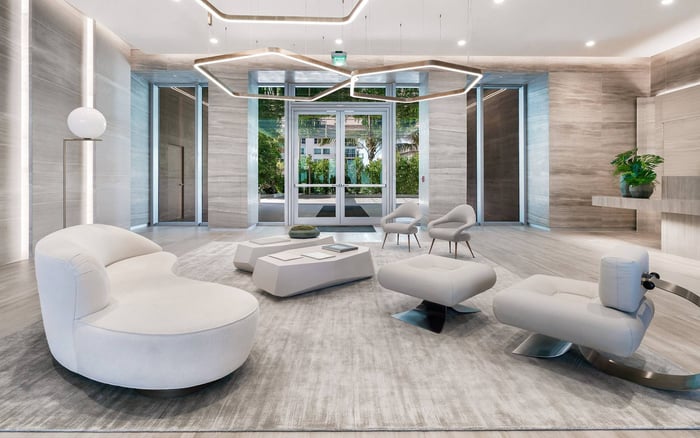
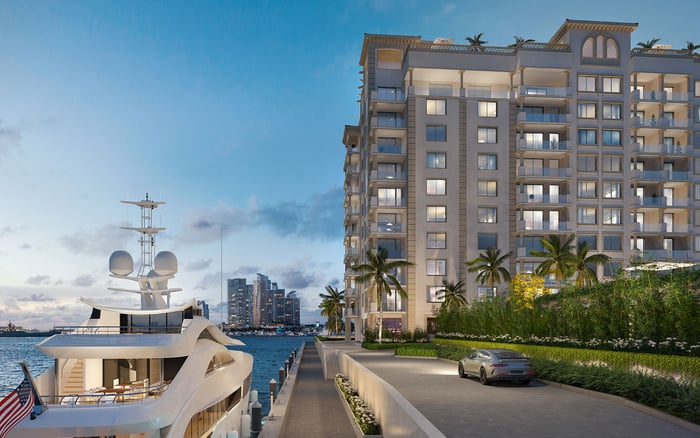
A disciplined evaluation of 57 Ocean Miami Beach should separate wellness positioning from verifiable indoor environmental performance. Buyers can assess air quality, water filtration, and lighting through building records, unit-specific equipment documentation, maintenance history, and independent testing.
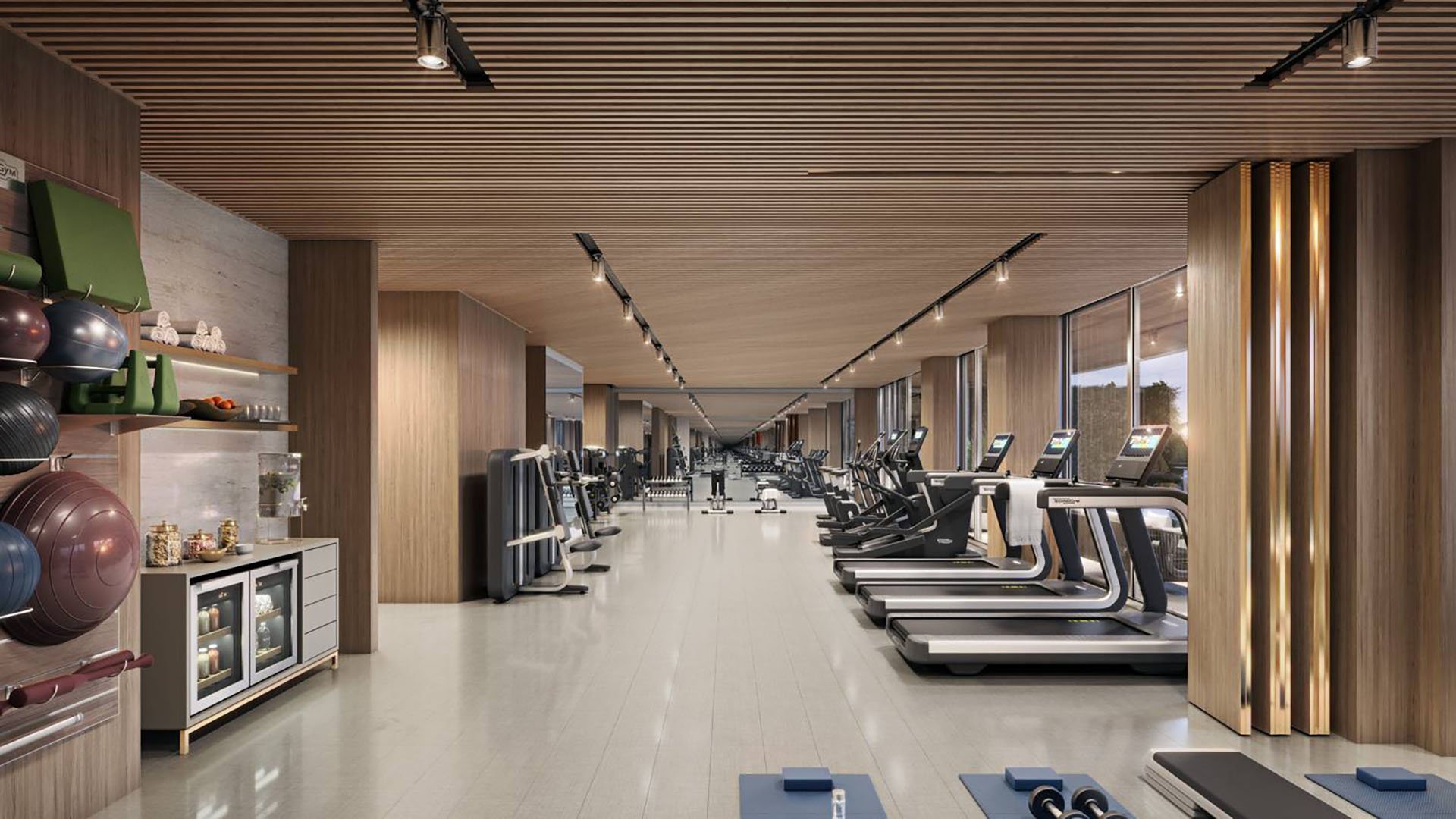
Evaluating wellness at 57 Ocean Miami Beach requires a distinction between experience and technical performance. Architecture, views, landscaping, amenities, and interior finishes can influence how a residence feels, but they do not independently confirm the performance of air filtration, water treatment, ventilation, or lighting systems.
A buyer should therefore convert each relevant representation into a question that can be answered with records or testing. What equipment is installed? Which areas does it serve? Who maintains it? When was it last serviced? Do current measurements support the claimed outcome?
Wellness positioning becomes decision-grade evidence only when it can be traced to systems, records, and current performance.
This approach is useful when comparing Miami Beach residences, including The Perigon Miami Beach and The Ritz-Carlton Residences® Miami Beach. Each property must be evaluated on its own documentation, installed equipment, controls, condition, and maintenance history.
Condominium diligence has two connected scopes. The first covers association-controlled infrastructure, such as central mechanical equipment, common-area systems, ventilation pathways, plumbing infrastructure, and maintenance procedures. The second covers the individual residence, where renovations, replacement equipment, fixtures, controls, and owner-selected upgrades may affect performance.
The distinction matters because a feature present in one residence may not be standard throughout a building. Conversely, unit-level equipment may depend on shared infrastructure. Buyers should ask the association, seller, property manager, and appropriate specialists for records relevant to both scopes rather than relying on a single brochure, listing description, or visual inspection.
Documents should be matched to what is physically installed. Equipment schedules, model numbers, photographs, invoices, service records, control settings, and test reports can help identify inconsistencies. Any discrepancy should be resolved before a feature is treated as part of the residence's verified performance.
Begin with mechanical drawings, equipment schedules, filter specifications, ventilation information, and maintenance records available for the residence and relevant shared areas. A qualified mechanical professional can determine whether the documents correspond to the installed system and whether the stated filter media are compatible with the equipment.
Ask for filter model numbers, replacement dates, service invoices, and records of any substitutions. If air-cleaning or in-duct treatment equipment is represented, request its exact model, installation record, operating requirements, and maintenance history. A component that is installed but not operating or maintained should not be evaluated as though it were delivering its intended performance.
Independent measurements can supplement the paper trail. Testing conditions should be documented so results can be interpreted in context. A qualified inspector can select suitable instruments, locations, timing, and sampling duration for the residence. Representative common areas may also warrant review when they form part of the buyer's daily path through the property.
Consumer monitors can help identify questions, but they are not a substitute for a professionally designed assessment when indoor environmental performance is material to the purchase decision. The objective is to understand current conditions and system operation, not merely to confirm that equipment appears on a schedule.
Water diligence should identify where treatment occurs and which fixtures it serves. Request plumbing diagrams, equipment specifications, installation records, cartridge or media replacement history, service invoices, and any available laboratory reports. The buyer's specialist should compare those materials with the physical installation.
Coverage must be explicit. A device serving one drinking-water fixture is different from treatment that reaches multiple fixtures within a residence, and unit-level treatment is different from association-controlled infrastructure. Ask whether any bypass exists, which outlets receive treated water, and whether renovations changed the original plumbing path.
Maintenance is equally important. Confirm service intervals, consumable replacement dates, equipment condition, and the party responsible for ongoing work. If records are incomplete or do not establish delivered water quality, a qualified professional can recommend sampling locations and laboratory analysis appropriate to the buyer's concerns.
Sampling at more than one fixture may help clarify whether treatment is localized or broader in scope. Collection methods, timing, fixture selection, and laboratory procedures should be documented so the results form a useful part of the diligence file.
The same evidence-first method applies to wellness-oriented South Florida searches, including The Well Bay Harbor Islands. A brand or design narrative can guide initial interest, but property-specific records and current observations should guide technical conclusions.
Daylight, dimming, color-temperature adjustment, and circadian-oriented design are related but not interchangeable concepts. If a lighting system is represented as supporting a particular outcome, request fixture schedules, product data, control sequences, programming details, commissioning records, and any available design calculations.
The review should establish whether specified fixtures remain installed and whether controls operate as intended. Renovations, replacement lamps, furniture placement, window treatments, control overrides, and programming changes can alter the conditions experienced by an occupant.
When lighting performance is important, a qualified specialist can design measurements at relevant occupant positions and times. The assessment should focus on the light that reaches the occupant rather than relying only on a fixture label or control interface. Testing parameters and assumptions should be recorded so the buyer understands what the results do and do not establish.
Organize the diligence record into four categories: design and specification documents, installed-equipment evidence, maintenance history, and independent observations or test results. Keep association materials separate from residence-specific records while noting where shared and private systems interact.
For each wellness-related claim, create a short chain of support: representation, applicable equipment or design feature, service history, current condition, and test result when needed. Mark unresolved items rather than filling gaps with assumptions. This makes it easier for the buyer and advisers to distinguish verified attributes from features that remain unconfirmed.
The process does not require dismissing design, comfort, or atmosphere. It gives those qualities an appropriate place alongside technical evidence. When records are incomplete, the practical response is to request clarification, inspect the installation, or commission suitable testing before assigning value to the claim.
For confidential guidance on South Florida luxury residences and evidence-led due diligence, connect with MILLION.
If branded residences are on your mind — as a home or as an allocation — we would be glad to share what we are seeing, privately.
Begin a quiet conversationTreat it as a starting point for diligence rather than proof of technical performance. Relevant claims should be connected to installed systems, records, and current conditions.
Association-controlled infrastructure and unit-specific equipment may have different scopes, maintenance responsibilities, and performance characteristics.
Request available mechanical drawings, equipment schedules, filter specifications, ventilation information, service invoices, and maintenance records.
Compare schedules and invoices with visible model numbers, installation records, and a qualified professional's inspection.
Testing can help when documents are incomplete or when current indoor conditions are material to the purchase decision.
It should identify the treatment equipment, its location, the fixtures it serves, its maintenance history, and its current condition.
Treatment serving one fixture is not the same as treatment reaching multiple fixtures or operating through shared building infrastructure.
Useful records may include fixture schedules, product data, control sequences, programming details, commissioning materials, and design calculations.
No. A technical claim requires review of the installed lighting, controls, intended operation, and relevant measurements.
Record them as unverified and seek clarification, inspection, or suitable independent testing before assigning value to them.