For buyers moving their principal home from Jackson Hole to Brickell, the residence, title, trust documents and daily records must tell one coherent Florida story. The strongest plan coordinates domicile evidence, constitutional homestead rules and estate documents before closing.
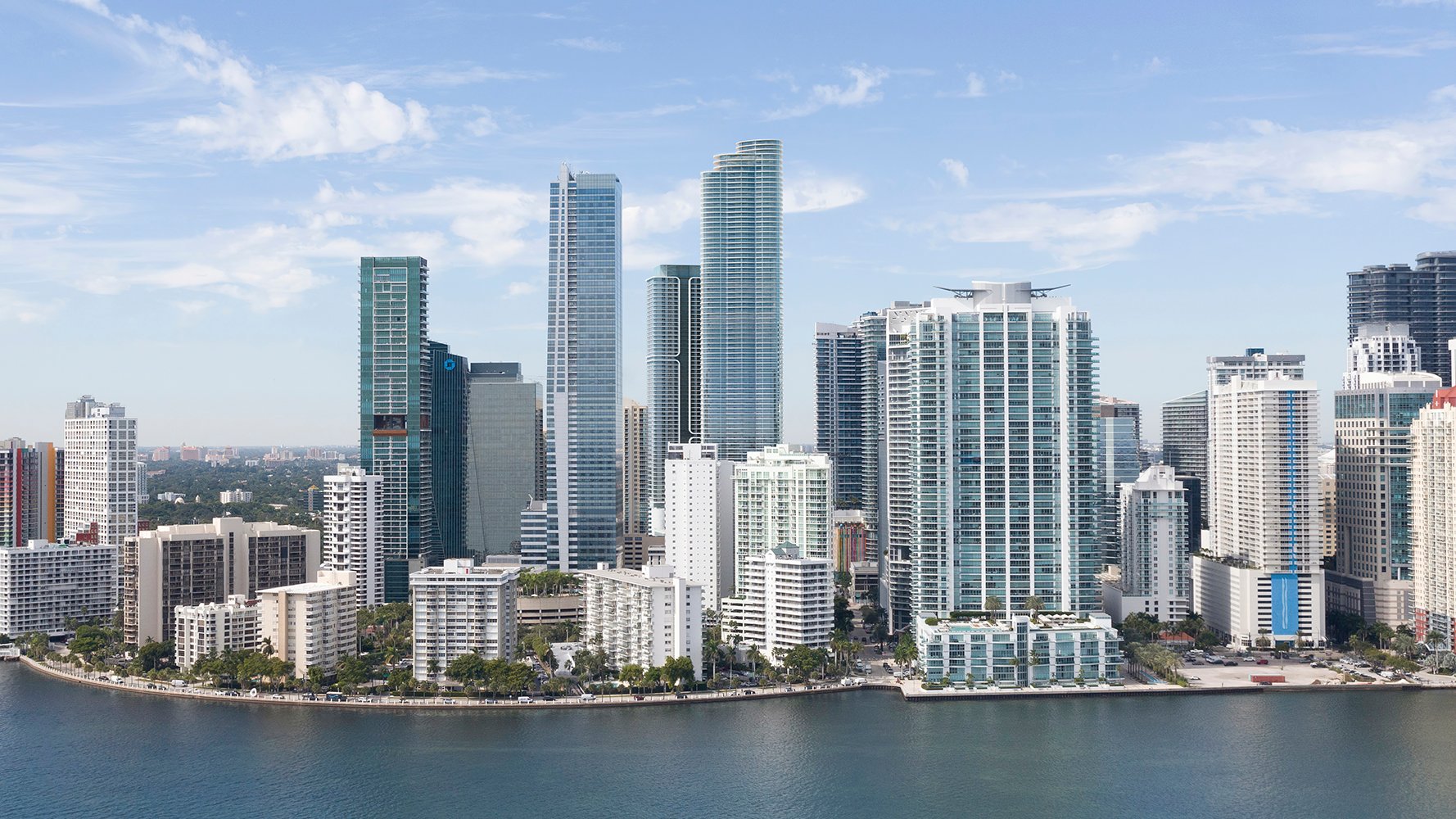
For a principal-home move from Jackson Hole to Brickell, acquisition is only the opening act. Florida domicile requires abandoning the former domicile and making Florida the fixed, permanent principal home, with consistent intent and conduct demonstrating both. A condominium purchase, regardless of value or architectural distinction, cannot carry that burden alone.
The practical question is whether the entire pattern of life supports the move. The Jackson Hole home may need to be sold or leased, while important possessions, primary relationships and habitual activities shift to South Florida. The Brickell address should appear consistently on the buyer's driver's license, voter registration, tax filings, banking records and primary mail. Once domicile is established, a sworn declaration may also be recorded with the Miami-Dade County circuit court clerk.
The strongest domicile file makes the residence, records and estate plan tell the same story.
A domicile-oriented search should weigh legal usability alongside views, privacy and service. A buyer evaluating Cipriani Residences Brickell or The Residences at 1428 Brickell should determine whether the selected unit will genuinely function as the family's permanent home.
Condominium due diligence should therefore address rental restrictions, owner-occupancy provisions and any management program that could conflict with the intended residential use. The objective is not merely to own a Florida address, but to occupy and consistently present it as home.
This distinction is especially important for a residence initially described as a second home or investment. Those labels do not determine domicile, but conduct suggesting occasional or income-producing use may sit uneasily beside a claim that the property is the fixed principal residence. The ownership calendar matters as well. Ad valorem homestead eligibility generally requires qualifying ownership and permanent-residence occupancy by January 1, followed by a timely exemption application. A closing after January 1 can postpone the exemption for that tax year, even when the broader domicile transition is otherwise effective.
Buyers considering pre-construction or new-construction residences should map anticipated closing and occupancy dates against that January 1 threshold. The analysis is individual, but it should occur before contractual and estate-planning decisions harden.
The name on the contract and deed can determine whether the residence supports the intended homestead treatment. Florida generally looks for ownership by a natural person or a qualifying beneficial interest. Titling the home in an LLC, corporation or inadequately drafted trust may jeopardize benefits the buyer assumed would follow automatically from occupancy.
That does not make trust ownership incompatible with homestead. A revocable trust can hold a Florida homestead when its structure preserves the settlor's qualifying interest. The drafting should identify the grantor as a beneficiary, maintain occupancy rights and account for Florida's constitutional rules governing descent and devise. A properly coordinated transfer to a revocable trust may also avoid probate while preserving homestead rights.
An irrevocable trust can sometimes qualify when the beneficiary receives the necessary present beneficial interest and occupancy rights. It can also be designed to coordinate ad valorem treatment with income- and transfer-tax planning. These structures require specialized drafting, however, and should not be treated as interchangeable with a conventional revocable trust.
Before selecting the purchaser for a residence such as St. Regis® Residences Brickell, Florida real-estate, estate-planning and tax counsel should coordinate the contract, deed, trust provisions, spouse-related rights and intended homestead application. Correcting title later may create avoidable legal and tax questions.
Florida homestead is not a single benefit. It encompasses property-tax treatment, constitutional restrictions on devise and protection from certain creditors. The rules overlap, but eligibility for one purpose does not automatically resolve the others. Domicile and federal transfer-tax planning require separate analyses.
For ad valorem purposes, actual use as a permanent residence and eligible ownership or beneficial interest are central. Fee-simple ownership is not always necessary because a qualifying life estate or properly drafted trust interest may suffice. Yet legal title alone remains inadequate when permanent occupancy is absent.
Devise restrictions demand particular care. If an owner is survived by a spouse or minor child, the home cannot necessarily pass according to an otherwise elegant trust design. When there is a spouse and minor children, free devise is generally unavailable. If there is a spouse but no minor child, the residence ordinarily must pass to the spouse unless that right has been validly waived.
For married buyers, a joint trust and deed must preserve each spouse's rights while respecting rules concerning occupancy, alienation and devise. A trust cannot simply draft around constitutionally protected interests. The same discipline should guide a purchase at Una Residences Brickell or any other residence intended to become the marital homestead.
The move should trigger a coordinated review of wills, revocable trusts, powers of attorney and healthcare documents. Each instrument should be evaluated under Florida law and reconciled with the Brickell deed, trust ownership and mandatory homestead provisions. Beneficiary design, incapacity authority and the plan for the residence should not operate in separate silos.
Sequence matters. Counsel should first identify the intended permanent occupants, marital and minor-child considerations, ownership vehicle, probate objectives, tax strategy and desired homestead benefits. The purchaser name, contract and deed can then align with the trust language. After occupancy, personal records and filings should reinforce the same position.
Ultimately, this is an exercise in coherence. The former Wyoming home, Florida residence, trust structure and public-facing records should all support one conclusion about where the owner permanently belongs. For the ultra-premium buyer, that precision is not administrative housekeeping. It is part of protecting the home and the estate it anchors.
For discreet assistance identifying a Brickell residence suited to a coordinated ownership plan, connect with MILLION.
If branded residences are on your mind — as a home or as an allocation — we would be glad to share what we are seeing, privately.
Begin a quiet conversationNo. The owner must also abandon the former domicile and demonstrate through consistent conduct that Florida is the fixed, permanent principal home.
The driver's license, voter registration, tax filings, banking records and primary mailing address should consistently identify the Brickell residence as home.
Selling is not the only possible step, but disposing of or leasing the former home can help demonstrate abandonment when supported by the wider pattern of conduct.
Yes. A qualified Brickell resident may record a sworn declaration with the circuit court clerk in Miami-Dade County.
Yes, if the trust preserves a qualifying beneficial interest, occupancy rights and compliance with Florida's constitutional homestead restrictions.
LLC title can jeopardize homestead treatment because Florida generally requires a natural-person owner or a qualifying beneficial interest.
Ad valorem eligibility generally requires qualifying ownership and permanent-residence occupancy by January 1, followed by a timely application.
No. Property-tax treatment, devise restrictions and creditor protection are related but distinct legal analyses.
No. Trust provisions must respect constitutional protections for a surviving spouse and minor children, including restrictions on devise.
Wills, revocable trusts, powers of attorney and healthcare documents should be reviewed under Florida law and coordinated with the residence's title.
.jpg&width=700&height=438&fit=cover)