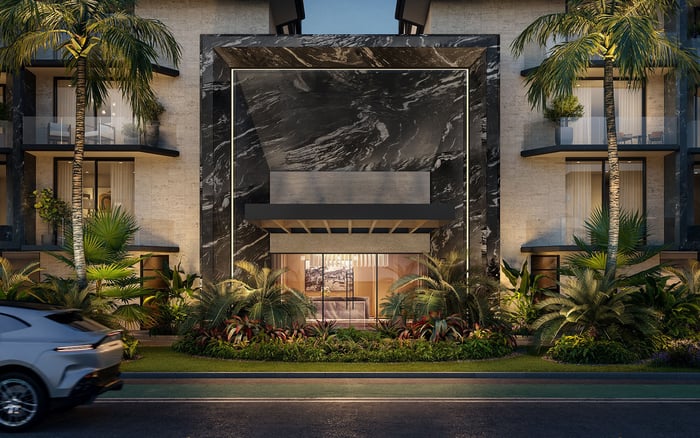
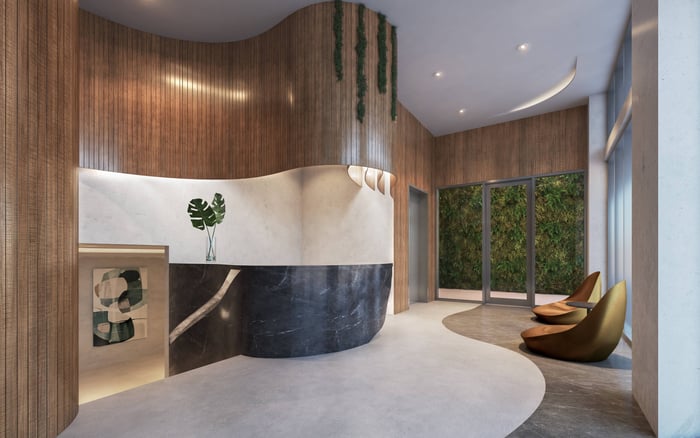
For Beverly Hills buyers establishing a Bay Harbor Islands base, the decisive details extend beyond finishes: documented backup power, independent connectivity, confidential workspaces, discreet household circulation, and an executable evacuation plan.
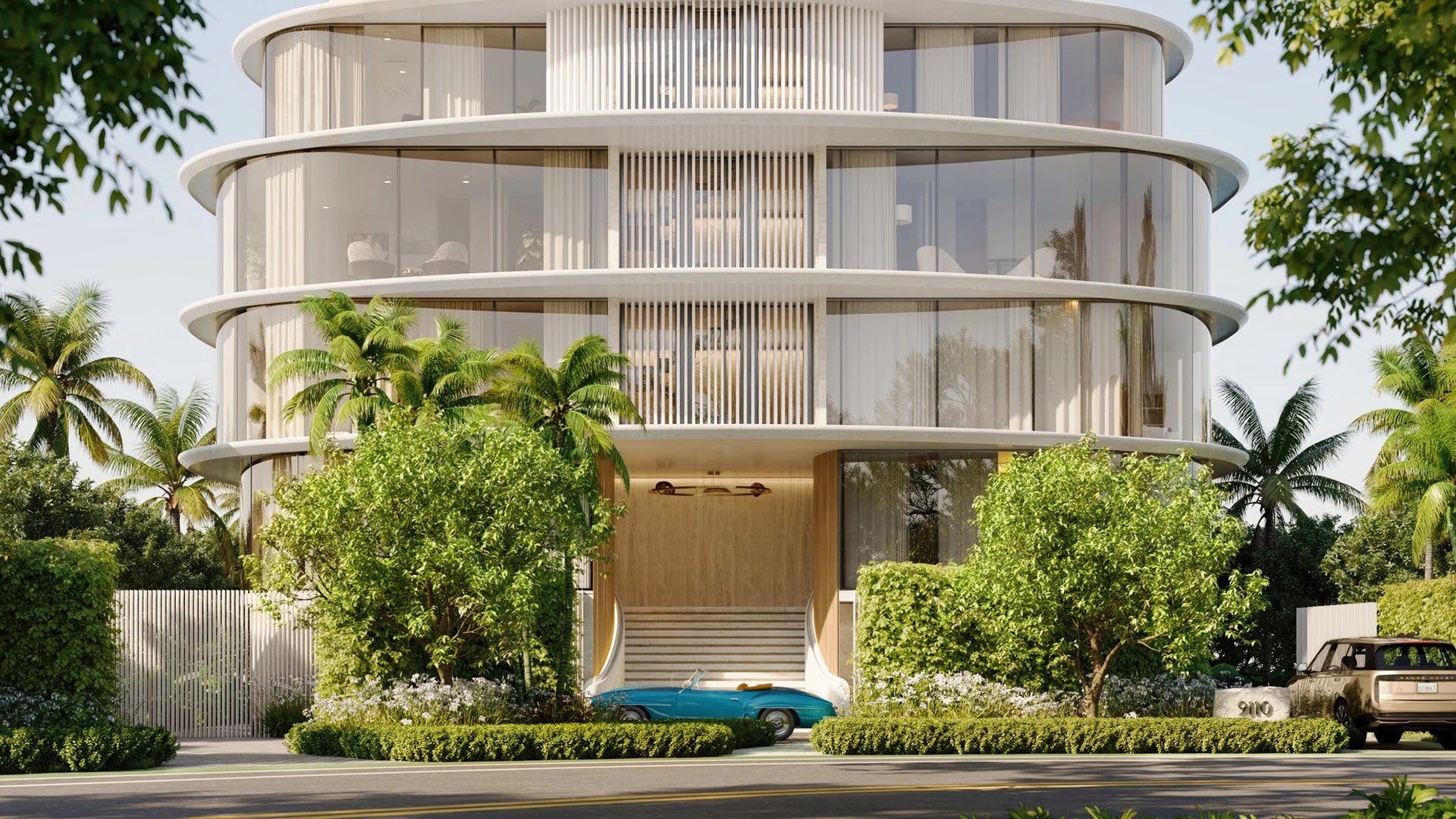
For a Beverly Hills buyer establishing a South Florida base, the essential question is not simply whether a residence feels exceptional. It is whether the household can operate with the discretion and continuity expected at home. A private office, visiting family, household staff, and confidential calls should fit into the plan without competing for space or access.
In Bay Harbor Islands, that brief should address four priorities: home-office resilience, telecom redundancy, acoustic privacy, and staff circulation. Define the operating requirements before selecting finishes. Decide which work must continue through a brief interruption, which conversations require genuine separation, and when the household should relocate rather than remain on-site.
When considering Alana Bay Harbor Islands, bring that written brief to the floor-plan review. Treat each requirement as something to document, not a capability implied by a luxury address.
Treat property-specific flood exposure in Bay Harbor Islands as a purchase consideration, not a question to defer until furnishing. Request flood-map interpretation, the applicable base-flood elevation, available elevation certificates, and the elevations of mechanical and electrical equipment.
Ask your advisers to distinguish the residence's position from the location of the infrastructure serving it. The diligence file should cover equipment, access, and the systems on which the proposed office depends. For a renovation, have qualified advisers examine applicable floodplain requirements and their implications for the intended scope, including work after flood damage.
Ask which flood-protection measures are appropriate for the property, including elevating and securing electrical appliances, doorway protection, and shutter or garage-door reinforcement. Confirm which measures fall to the owner and which require building approval. Resolve those responsibilities before commissioning a highly customized workspace.
A reference to a generator begins the inquiry; it does not settle it. Do not interpret a general backup-power description as a promise of whole-residence coverage or confirmation that a particular office outlet will remain powered.
Request a written schedule of generator-backed circuits, expected runtime under the relevant load, maintenance records, and transfer-testing records. Have the office's actual equipment load assessed, including the workstation, displays, network equipment, and any other devices essential to your work. Ask separately about cooling and the building systems needed for practical occupancy.
Apply the same questions when reviewing Bay Harbor Towers, without assuming a particular backup configuration. Discuss permitted battery-backup options with management and a qualified installer. The result should be a clear account of what operates, for how long, and what the household does when that period ends.
Pre-wiring describes preparation, not continuity. Do not treat references to internet wiring or common-area Wi-Fi as confirmation of independent carrier paths or tested failover. Ask what can actually be installed and supported in the residence.
For a residence under consideration at Onda Bay Harbor, ask providers and management to confirm available carriers, physical building-entry paths, riser access, and installation permissions. Seek written clarification of any shared infrastructure before treating two subscriptions as redundancy.
Have your technology adviser evaluate cellular failover in the intended office and identify the equipment that needs backup power. Request a practical failover demonstration rather than relying solely on a speed test. The purchasing question is whether essential work can continue when the primary connection fails-not merely whether service is fast on a normal afternoon.
A beautifully enclosed study still needs an acoustic assessment. Request wall and floor-ceiling specifications, then inspect the room's relationship to elevators, plumbing stacks, mechanical rooms, and service corridors. Have an acoustic specialist evaluate both incoming disturbance and speech privacy outside the room.
During viewings, ask permission to assess the proposed office with doors closed while someone speaks at an ordinary working volume. Listen from adjoining rooms and the circulation path. Build the brief around the household's actual schedule: simultaneous calls, guest visits, housekeeping, and deliveries.
Do not treat an impact-glazing description as an acoustic-performance assurance. Specify the privacy outcome you need and have it evaluated independently. Before planning alterations, confirm association permissions and obtain professional advice on the proposed work. A quiet viewing alone is not an adequate acceptance test.
Map three journeys separately: residents and guests, staff, and deliveries. Trace each from arrival to destination, noting whether routine household activity passes the office door or enters a confidential working area. Do this before placing furniture.
When assessing The Well Bay Harbor Islands, request the applicable access arrangements and association rules rather than presuming dedicated staff routes. Verify whether service-elevator access is available, how loading is handled, what vendor registration requires, and which restrictions affect your household's schedule.
Walk through an ordinary day with the person responsible for managing the residence. Where will deliveries wait? How will a technician reach equipment without interrupting a meeting? If your search also includes Bal Harbour, use the same circulation checklist for both. The objective is not elaborate separation for its own sake, but a home in which service supports privacy rather than repeatedly testing its boundaries.
Plan for heavy rain as well as named storms, and ask your advisers to account for extended power and communications interruptions. Set household readiness and departure procedures before a disruption makes those decisions urgent.
Follow applicable evacuation orders. Backup systems support continuity planning; they do not replace an evacuation plan. Choose an alternative operating location, establish data-backup and equipment-shutdown procedures, and assign staff responsibilities before the residence becomes indispensable to your working life.
Before committing, assemble the flood and elevation documents, power schedule, telecom confirmations, acoustic recommendations, and circulation rules in one decision file. Identify unresolved items and the qualified adviser responsible for each. Select your South Florida base with a clear understanding of both its everyday pleasures and its operating limits.
For a discreet conversation about your South Florida residential search, connect with MILLION.
If branded residences are on your mind — as a home or as an allocation — we would be glad to share what we are seeing, privately.
Begin a quiet conversationFlood exposure should inform the office design and the purchase decision. Review property-specific flood maps, applicable base-flood elevation, available elevation certificates, and the location of essential equipment.
No. Request a written circuit schedule, runtime information, maintenance records, and transfer-testing records before deciding what the office can depend on.
Have a qualified adviser assess workstations, displays, network equipment, and other essential devices. Ask separately about cooling and building systems needed for occupancy.
No. Confirm available carriers, physical entry paths, riser access, and any shared infrastructure before treating multiple subscriptions as independent connections.
Ask a technology adviser to test it in the intended office and demonstrate the transition from the primary connection. Identify the network equipment that also needs backup power.
No. Impact-glazing descriptions do not establish acoustic performance; request relevant specifications and an assessment of the proposed workspace.
Map resident, guest, staff, and delivery journeys separately. Verify service-elevator availability, loading arrangements, vendor registration, and association restrictions.
Plan for heavy rain, named storms, and extended power or communications interruptions. Establish readiness and departure procedures before a disruption.
No. Follow applicable evacuation orders and prepare an alternative working location, equipment-shutdown procedures, and clear staff responsibilities.
Have qualified advisers review applicable floodplain requirements and their implications for the intended work. Confirm association permissions before planning alterations.