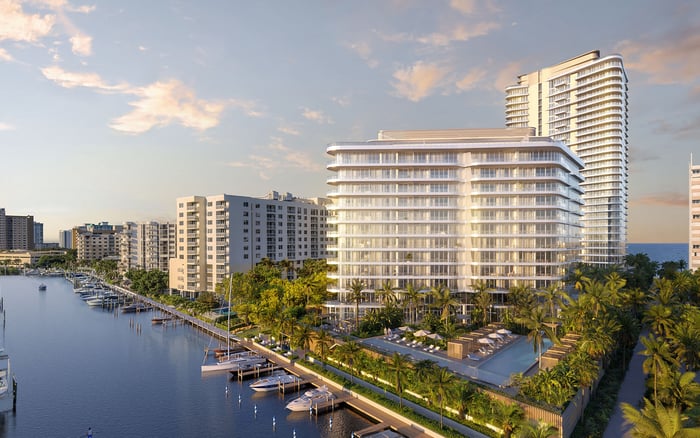
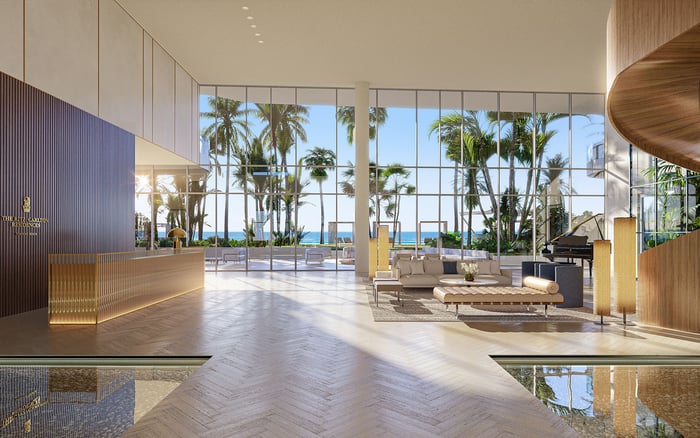
For a Denver-based family office, a Pompano Beach residence calls for more than a departure checklist. Humidity control, prompt leak response, carefully scoped vendor authority, and property-specific insurance review should form one coordinated absence plan.

For a Denver-based family office acquiring in Pompano Beach, the ownership question extends beyond arrival: what happens when the residence is empty? The objective is to preserve the home without requiring a principal to authorize every urgent intervention from another state.
An effective absence plan connects four responsibilities: moisture prevention, climate monitoring, leak response, and vendor authority. Treat them as one operating brief rather than separate service contracts. An alert has limited value if nobody can enter; access has limited value if nobody can commission drying.
When evaluating The Ritz-Carlton Residences® Pompano Beach, ask how owner-appointed vendors would coordinate with building management during an extended absence. This is a due-diligence question, not an assumption about included services. Across Broward, the same discipline belongs alongside the floor-plan review.
Keep indoor relative humidity below 60% to help prevent mold. Air conditioning and dehumidifiers can help manage moisture, but a thermostat is not a humidity instrument.
For a seasonal home, the recommended air-conditioning setting is no higher than 85°F so that it cycles periodically. That ceiling does not guarantee indoor humidity will remain below 60%. Ask the HVAC professional to establish an absence setting suited to the residence, then verify humidity rather than relying on temperature alone.
Before departure, arrange to have the condensate line inspected and cleaned, filters cleaned or replaced, and condensate drainage verified. Weather-seal windows and doors to limit the entry of moisture-laden outdoor air. During occupancy, vent moisture from cooking and showering outdoors.
For a purchase at Armani Casa Residences Pompano Beach, include HVAC servicing responsibilities and permissible monitoring equipment among the ownership questions. Confirm residence-specific arrangements rather than interpreting branding as an absence-care commitment.
Water planning deserves its own sign-off. For a seasonal home, the recommended approach is to turn off the water heater when the home will be empty for more than a month, and to turn off water at the exterior meter unless needed for irrigation.
Translate those recommendations into a property-specific plan with qualified personnel. In a condominium, do not assume an exterior meter serves only the residence or that the owner may operate a shared valve. Identify the appropriate isolation point and confirm which systems must remain supplied before authorizing a shutdown.
The proposed departure record should capture completed HVAC service, humidity readings, approved water and water-heater settings, and the person responsible for reopening the residence. Photographs can help establish a condition baseline. Keep the record available to the local representative, not solely in the principal’s files.
The checklist should describe the home as it will actually be left, including any exceptions to normal shutdown procedures and who approved them.
Design remote monitoring around decisions. As an operating proposal, ask an installer to recommend humidity and temperature sensor locations that represent conditions throughout the residence, along with leak detection near relevant plumbing and equipment. Sensor placement and automatic shutoff specifications require property-specific review; they are not universal requirements.
Set an alert protocol with the HVAC contractor and local representative. Distinguish between a humidity concern, detected water, and lost connectivity. Decide who acknowledges each alert, who investigates locally, and how an unanswered notification escalates. Choose inspection intervals with the property team and insurer rather than assuming a standard schedule applies.
During diligence at Ocean 580 Pompano Beach, ask whether the proposed monitoring and access arrangements are compatible with building rules. Test the notification chain before departure. A dashboard should support human response, not substitute for it.
Water can create conditions for mold in as little as 24 hours. Treat a leak alert as a prompt to investigate, not a matter to defer until the next convenient visit.
The proposed response sequence should prioritize safe access, assessment by appropriate personnel, authorized isolation of the water source, documentation, and prompt drying. After flooding, use fans and dehumidifiers only when electrical conditions are safe. Dehumidifiers work most effectively in enclosed indoor spaces.
Keep the timing distinctions clear. The 24-hour warning supports urgency; the separate 24-48-hour disposal window applies to flood-wetted items that cannot be cleaned and completely dried within that time. Take those items outside for disposal, retaining photographs to support an insurance claim.
Correct the moisture problem and remove mold before painting or caulking affected surfaces. People with asthma, mold allergies, immune suppression, or chronic lung disease should not perform mold cleanup. Build professional response into the plan rather than expecting a returning family member to manage it.
A family office should consider a written authority matrix, reviewed against building rules, vendor contracts, and insurance conditions. This is a governance recommendation, not a prescribed legal or insurance standard.
Define who may enter, who may authorize emergency mitigation, and which spending decisions require further approval. Name a backup decision-maker. Separate urgent protective work from discretionary replacement or refurbishment so that authorization to stop damage is not mistaken for approval of a broader renovation.
For Waldorf Astoria Residences Pompano Beach, make those questions part of the management discussion before finalizing the owner’s vendor arrangements. Verify access procedures and responsibility boundaries rather than assuming staff can commission work inside a private residence.
Require the local representative to retain an incident timeline, photographs, contractor findings, approvals, and invoices. Choose emergency spending limits deliberately; no universal amount suits every family’s plan.
Evaluate flood readiness before leaving. Where appropriate, prepare protection such as sandbags at door thresholds and garage doors. Know the property’s evacuation zone and route: evacuation planning in Pompano Beach emphasizes storm surge, not wind. Local response arrangements should never depend on someone entering an unsafe area.
Review flood insurance rather than assuming standard homeowners coverage protects against flooding. Mold endorsements can increase coverage limits to $25,000 or $50,000, but confirm availability and application for the actual policy. Ask the insurer to clarify any absence-related conditions, notification duties, and inspection requirements without assuming a universal vacancy deadline.
The finished plan should make responsibility unmistakable: who watches, who enters, who acts, and who pays. That clarity is part of the comfort of owning well from a distance.
For a considered approach to selecting your Pompano Beach residence, explore MILLION.
If branded residences are on your mind — as a home or as an allocation — we would be glad to share what we are seeing, privately.
Begin a quiet conversationKeep indoor relative humidity below 60% to help prevent mold. Verify humidity independently rather than relying only on the thermostat setting.
No. Seasonal-home guidance recommends a setting no higher than 85°F so the air conditioning cycles periodically, but that does not guarantee humidity below 60%.
Inspect and clean the condensate line, clean or replace filters, and verify condensate drainage. Confirm an absence setting with the HVAC professional.
Seasonal-home guidance recommends turning off water at the exterior meter unless needed for irrigation. Confirm the appropriate isolation point and system needs with qualified personnel, especially in a condominium.
Seasonal-home guidance recommends turning it off when the home will be empty for more than a month. Have the departure plan specify the procedure appropriate to the property.
Promptly, because standing water can allow mold to take hold in as little as 24 hours. The response plan should connect detection to safe local investigation and authorized mitigation.
Flood-wetted items that cannot be cleaned and completely dried within 24–48 hours should be taken outside for disposal. Photograph discarded flood-damaged items to support an insurance claim.
Consider humidity, temperature, and leak monitoring with property-specific equipment placement. Assign alert acknowledgment, local investigation, and escalation responsibilities before departure.
Consider written permission covering access, emergency mitigation, spending limits, and escalation to a backup decision-maker. Tailor those permissions to building rules, contracts, and insurance conditions.
Review flood coverage, mold limits, and any policy-specific absence conditions. Mold endorsements can increase limits to $25,000 or $50,000, but availability and application require confirmation.