A buyer-focused framework for examining Mr. C Tigertail’s replacement-cost valuation, ordinance-and-law provisions and unit-interior responsibilities before committing to a purchase.
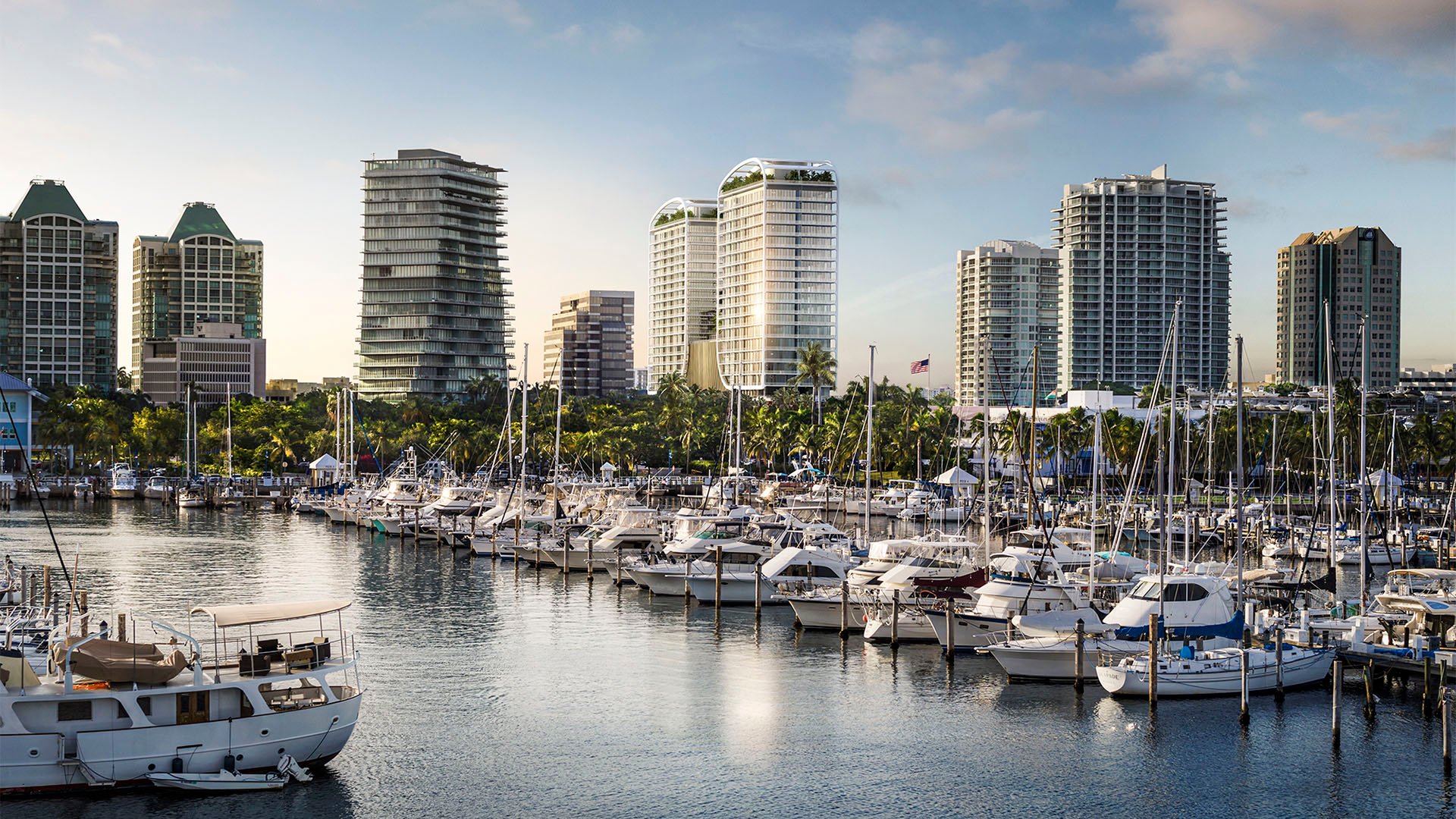
At Mr. C Tigertail Coconut Grove, 2678 Tigertail Avenue, Miami, FL 33133, insurance diligence deserves the same attention as the residence itself. For a buyer evaluating a carefully finished home, the question is not simply whether the association carries insurance. It is whether the building valuation, policy terms and owner’s interior coverage align without leaving financial exposure unexamined.
Three questions should guide the review: what replacement value supports the master policy, what protection addresses code-driven reconstruction, and which interior components remain the owner’s responsibility. Mr. C Tigertail’s actual master-policy limits, valuation, deductibles, coinsurance provisions and ordinance-and-law limits remain unverified. Neither the address nor the statutory framework establishes those contract terms.
The objective is a documented allocation of risk, not an assumption of comprehensive protection. Ask the association, the buyer’s insurance adviser and condominium counsel to reconcile their respective documents before treating coverage as a settled part of the purchase.
Association-fee snapshots were approximately $1,935 per month for unit 1705 and $1,289 for unit 1009. In a separate four-listing building snapshot, the median was $1,704 per month, or approximately $1.85 per square foot per month.
These figures are listing snapshots, not current quotes. They establish neither the insurance portion of a budget nor the adequacy of insured values or the amount an owner might ultimately bear after a loss. A monthly fee is a starting point for ownership-cost analysis, not a substitute for policy review.
For buyers also considering Park Grove Coconut Grove, a useful comparison begins with a consistent document request across properties. Compare verified policy terms and financial responsibilities rather than drawing insurance conclusions from differing association fees. Do not assume coverage equivalence between the properties.
Florida law requires unit-owner-controlled residential condominium associations to use their best efforts to obtain and maintain adequate property insurance for property they must insure. Replacement cost may be established through an independent insurance appraisal or an update of a previous appraisal, with a replacement-cost determination required at least once every three years.
For the buyer, that requirement provides a practical starting point. Request the latest replacement-cost appraisal, its effective date and any subsequent update. Obtain the current master policy, policy declarations, endorsements, exclusions and deductible schedule alongside it. Review the valuation document and policy together; they are not interchangeable evidence.
Have the insurance adviser compare the appraisal’s scope with the property and values actually insured. Request a written explanation of any difference between the appraised replacement cost and scheduled insured values. Ask whether coinsurance provisions apply and what they would mean under the policy’s actual wording. Do not presume that such provisions exist at this building.
Keep valuation separate from responsibility. Required association coverage generally concerns condominium property as originally installed, or replacement of like kind and quality under the original plans and specifications, subject to statutory exclusions. Qualifying alterations and additions within the association’s insurance responsibility also belong in the review.
A replacement-cost figure does not answer every reconstruction question. Request the actual ordinance-and-law forms and limits addressing undamaged portions, demolition costs and code-driven increased construction costs. None of these protections should be treated as confirmed at Mr. C Tigertail without the applicable policy language.
Put three specific questions to the adviser. What coverage, if any, addresses an undamaged portion affected by a reconstruction requirement? What protection addresses demolition costs? What limits and conditions apply to increased construction costs driven by code requirements?
Then ask how those protections interact with the master-policy limit. Identify any separate limits, shared limits, exclusions or conditions in the actual forms. The purpose is not to select an abstract percentage that sounds reassuring. It is to understand what the contract would fund and what exposure would remain under the circumstances being evaluated.
A buyer comparing Four Seasons Residences Coconut Grove should apply the same questions independently. Brand identity is not a policy term, and one property’s coverage cannot establish another’s.
For a highly finished residence, the most consequential distinction may lie inside the unit. Florida’s required association property coverage excludes specified components located within and serving only that unit: floor, wall and ceiling coverings; electrical fixtures; appliances; water heaters; and water filters. Built-in cabinets, countertops and window treatments are also excluded.
Those items, and insurance covering them, are generally the unit owner’s responsibility. Do not equate an original developer installation with automatic master-policy protection. The statutory exclusions still matter when evaluating the original interior.
A separate issue concerns owner- or developer-installed improvements benefiting only one unit that were not part of the developer’s standard improvements across all units. The association is not obligated to fund their repair or reconstruction. Florida’s allocation does not prevent the owner from buying separate coverage for those improvements.
Build a unit-specific inventory using renovation plans, permits, invoices and alteration approvals. Have the adviser compare that inventory with the owner policy’s building additions-and-alterations coverage, limits and exclusions. Ask for documented replacement-cost assumptions rather than treating the purchase price or a renovation’s historical invoice total as the measure of coverage needed.
Request the windstorm and named-storm deductible calculations, available association loss runs, open claims and pending insurance-related assessments. These are diligence requests, not assertions that Mr. C Tigertail has an unresolved claim or assessment. The aim is to identify financial exposure that the monthly fee cannot explain.
With the buyer’s insurance adviser, review loss-assessment coverage against the actual association documents and owner policy. Ask what would respond, what would not and which limits or exclusions matter. A loss-assessment limit is not a general promise to absorb every association charge.
The declaration of condominium deserves its own review. The association must maintain, repair and replace condominium property for which the declaration assigns it responsibility. Counsel should distinguish those obligations from insurance responsibilities and policy terms. The documents answer related but different questions.
Before committing, assemble a concise written reconciliation of the appraisal, master policy, ordinance-and-law provisions, deductible calculations and unit-interior inventory. Separate confirmed protections from unresolved questions, and identify which adviser must resolve each issue. An unanswered request should remain visible in the purchase decision.
The result is not a blanket verdict on the building. It is a unit-specific understanding of what the association insures, what the owner should insure and what financial exposure the buyer is prepared to retain. That is the standard worth applying to a considered Coconut Grove acquisition.
For a discreet conversation about your Coconut Grove property search, connect with MILLION.
If branded residences are on your mind — as a home or as an allocation — we would be glad to share what we are seeing, privately.
Begin a quiet conversationMr. C Tigertail is at 2678 Tigertail Avenue, Miami, FL 33133, in Coconut Grove.
The building’s actual master-policy limits, replacement-cost valuation, deductibles, coinsurance provisions and ordinance-and-law limits remain unverified. Buyers should obtain the current policy and supporting documents.
Florida’s condominium insurance framework requires a replacement-cost determination at least once every three years. An independent insurance appraisal or an update of a previous appraisal may establish that value.
Request the latest replacement-cost appraisal and updates, current master policy, policy declarations, endorsements, exclusions and deductible schedule. Have an insurance adviser reconcile the appraisal’s scope and date with insured values.
Request the actual forms and limits addressing undamaged portions, demolition costs and code-driven increased construction costs. These protections are not confirmed at Mr. C Tigertail.
Specified exclusions include floor, wall and ceiling coverings, electrical fixtures, appliances, water heaters, water filters, built-in cabinets, countertops and window treatments within and serving only one unit. Those items and their insurance are generally the owner’s responsibility.
The association is not obligated to fund reconstruction of owner- or developer-installed improvements benefiting only one unit that were not standard developer improvements across all units. Owners may purchase separate coverage for those improvements.
No. The approximately $1,935 monthly figure for unit 1705 and $1,289 for unit 1009 are listing snapshots, not current quotes or evidence of insurance adequacy.
The declaration assigns maintenance, repair and replacement responsibilities for condominium property. Counsel should review those obligations separately from the insurance policies’ actual coverage terms.
Request windstorm and named-storm deductible calculations, available association loss runs, open claims and pending insurance-related assessments. Review the owner policy’s loss-assessment coverage, limits and exclusions with an insurance adviser.