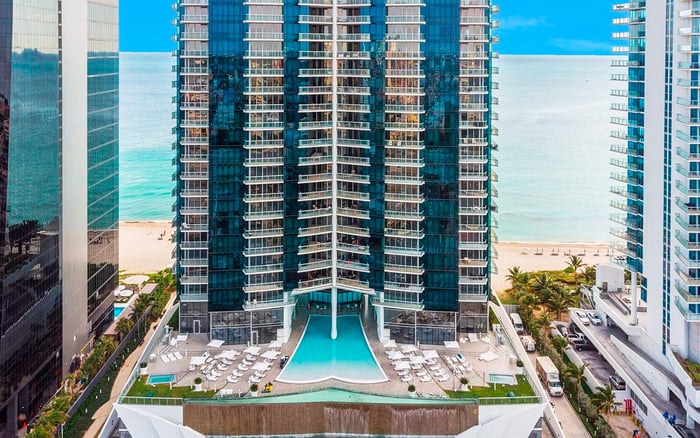
A buyer-focused framework for evaluating Jade Ocean’s envelope maintenance, balcony waterproofing, reserve planning, and any documented water-intrusion claims without confusing inspection compliance with comprehensive assurance.
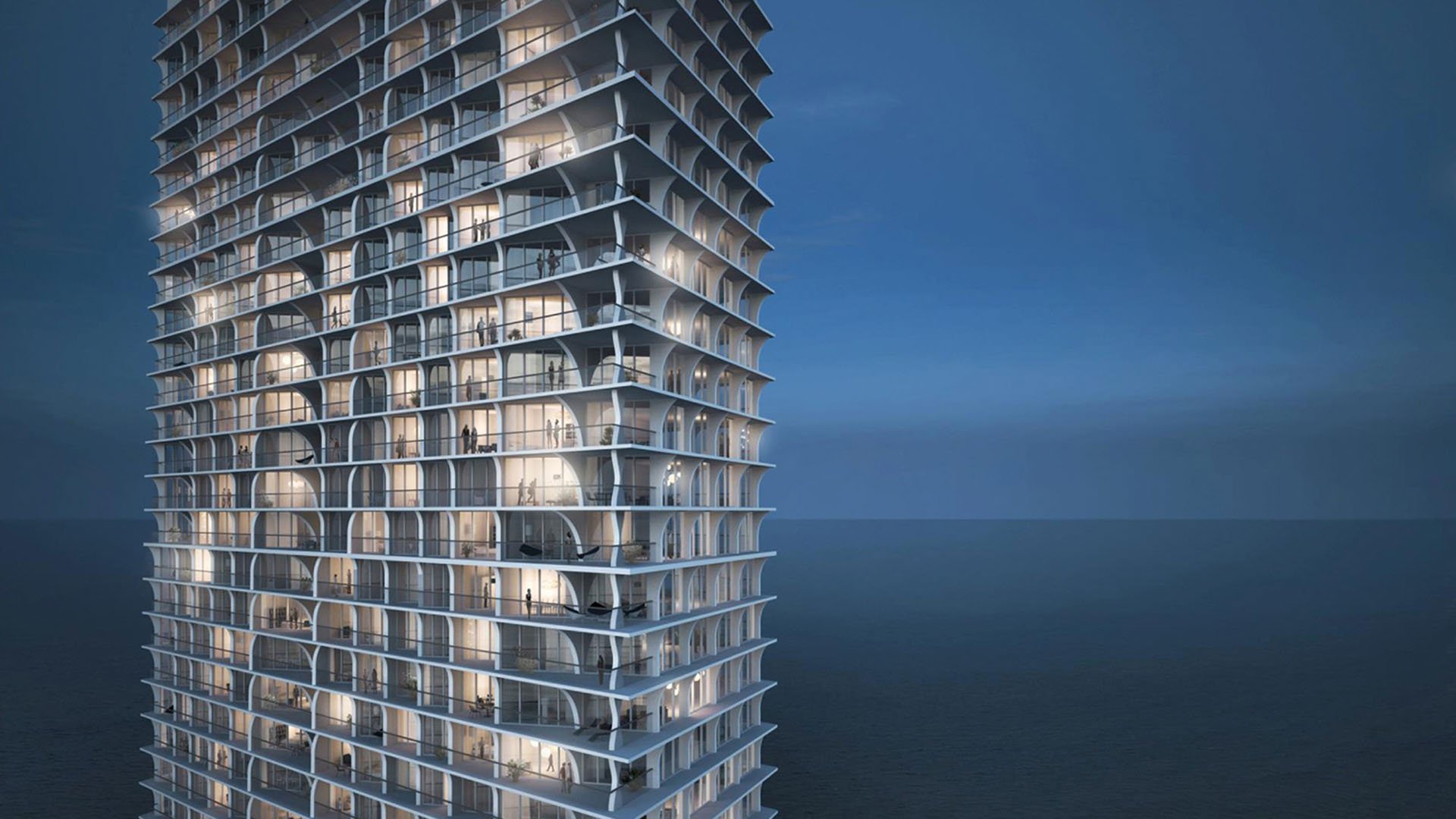
For a buyer considering Jade Ocean Sunny Isles Beach, effective due diligence connects three questions: what maintenance has been completed, what work remains recommended, and how that work will be funded. Façade sealants, balcony waterproofing, and any documented wind-driven-rain claims belong in that review, but they are not interchangeable measures of building condition.
A well-presented residence and a dry interior on inspection day do not establish a complete water-intrusion history. Equally, requesting envelope records is not an allegation of defects. The objective is a decision supported by signed professional findings, clearly defined repair scopes, and a financial plan aligned with the work.
For luxury ownership, the priority is not a reassuring label, but a clear understanding of condition, maintenance, and future obligations.
Sunny Isles Beach requires qualifying condominium and cooperative buildings at least three stories tall and within three miles of the coast to undergo initial recertification at 25 years, followed by inspections every 10 years. Continued occupancy requires structural and electrical safety reports prepared by a Florida-registered architect or professional engineer.
Florida’s milestone-inspection framework generally applies to qualifying residential condominium and cooperative buildings with three or more habitable stories, with an initial inspection by December 31 of their 30th year and subsequent inspections every 10 years. Local enforcement agencies may require review at 25 years when circumstances, including proximity to salt water, justify it.
Neither framework provides blanket assurance that every façade joint, balcony membrane, or leakage concern has been resolved. Obtain the complete signed inspection documents, recommendations, and associated repair records rather than relying on a certificate or board summary. Confirm Jade Ocean’s applicable timetable directly; another condominium’s age or inspection history does not establish its deadline.
For a purchaser also evaluating Jade Signature Sunny Isles Beach, the discipline is the same: keep each building’s inspection status and maintenance history separate. A shared location or similar name is not transferable evidence.
A decision-grade sealant review begins with records, not a generic replacement interval. Do not assign Jade Ocean a five-, seven-, or ten-year cycle without association documentation and an engineer’s recommendation. Determine whether the documented scope and next recommended intervention align with the current maintenance plan.
Request the last completed sealant contract, its dates, specified products, areas included, warranties, and any professional acceptance documentation. Distinguish targeted repairs from a broader replacement program. A statement that exterior work was completed does not establish which joints or interfaces were addressed.
Then ask the reviewing professional to reconcile that history with current recommendations. Are additional investigations advised? Does planned work cover the same areas as earlier repairs? Is the next intervention reflected in the reserve schedule? These are requests for clarification, not findings about Jade Ocean’s condition.
The strongest record connects scope, execution, and follow-up. An invoice documents expenditure; review it alongside evidence of what the work covered and what remains recommended.
Balcony due diligence should consider the surrounding envelope, not treat waterproofing as an isolated line item. Walls, windows, doors, sealants, flashings, waterproofing, and drainage can have overlapping repair needs. Structural restoration and waterproofing decisions should therefore be coordinated where work affects adjacent components.
Request balcony restoration and waterproofing contracts, relevant permits, warranties, engineering recommendations, and completion records. Ask the professional reviewer to identify the documented scope and explain its relationship to door thresholds, adjoining façade work, and drainage. Do not infer the condition of concealed waterproofing from the appearance of a finished terrace.
At the residence level, arrange appropriate moisture testing in walls and ceilings, particularly around balcony doors and sliding-glass door thresholds. Ask the seller about previous water-intrusion events and compare the response with disclosures and available repair documentation. A dry visit is no substitute for that history.
A buyer comparing Armani Casa Sunny Isles Beach should apply the same coordinated questions to that property’s own records. This compares documentary clarity; it does not assert that either building has a waterproofing problem.
Do not presume a wind-driven-rain claim simply because a building occupies a coastal setting. Nor does an absence of visible staining prove that no water event occurred. Ask whether relevant incidents or claims exist and, if they do, request supporting records.
Useful materials include water-intrusion logs, owner notices, board minutes, insurance claim correspondence, repair contracts, and litigation disclosures. Keep the sequence clear: the reported event, the investigation, the proposed remedy, the completed work, and any subsequent follow-up. A claim outcome and a physical repair answer different questions; evaluate them separately.
If records identify a claim, have the relevant professionals review its status and implications. Do not describe an event as covered, denied, settled, or resolved without supporting documentation. Nothing in this due-diligence framework establishes a Jade Ocean claim, recovery, denial, or lawsuit.
The objective is to understand any documented history and its present significance without turning an unanswered question into an accusation or a clean bill of health.
Request the association’s structural integrity reserve study or engineering reserve study and examine the component-level schedules. The aggregate reserve balance alone does not explain how façade repairs, exterior coatings, balcony restoration, waterproofing, or windows and doors are planned and funded.
Compare those schedules with engineering recommendations and executed contracts. Ask whether recommended work is included, whether related components are coordinated, and how the association intends to fund the identified scope. Where documents differ, seek a written explanation before treating the budget as settled.
For buyers considering Regalia Sunny Isles Beach alongside Jade Ocean, this provides a useful comparison framework: evaluate each association’s documented obligations and funding plan independently. Do not substitute reputation or an attractive aggregate balance for component-level analysis.
The final diligence file should bring together signed inspection documents, engineering recommendations, board minutes, owner notices, contracts, permits, warranties, seller disclosures, and any relevant water-intrusion or claim records. Ask the appropriate professionals to reconcile inconsistencies across the file rather than accepting each document in isolation.
The purchase decision should distinguish completed work from planned work, documented findings from assumptions, and funded obligations from unresolved funding questions. Those distinctions preserve discretion while giving the buyer a clearer basis for evaluating ownership.
For a considered approach to South Florida luxury ownership, explore MILLION.
If branded residences are on your mind — as a home or as an allocation — we would be glad to share what we are seeing, privately.
Begin a quiet conversationQualifying condominium and cooperative buildings at least three stories tall and within three miles of the coast require initial recertification at 25 years, followed by inspections every 10 years.
No. A milestone inspection addresses structural condition and should not be treated as comprehensive assurance that all envelope or leakage issues have been resolved.
A specific interval should not be assumed. Establish the appropriate timing through association maintenance records and an engineer’s recommendation.
Request repair contracts, dates, product specifications, scope descriptions, warranties, and available professional completion documentation. Compare them with current engineering recommendations.
Review it together with structural restoration, adjoining walls, doors, sealants, and drainage. Obtain the relevant contracts, permits, warranties, and engineering recommendations.
Appropriate testing should include walls and ceilings, particularly around balcony doors and sliding-glass door thresholds. A dry inspection-day interior does not establish the absence of prior intrusion.
No. Claim records should be requested and reviewed if they exist; a claim, denial, settlement, recovery, or lawsuit should not be presumed.
Examine component-level schedules for façade repairs, exterior coatings, balcony restoration, waterproofing, and windows or doors. Compare planned funding with engineering recommendations and contracted work.
No. Each building’s inspection timetable, maintenance history, and funding obligations must be evaluated independently.
Bring together signed inspection documents, engineering recommendations, board minutes, notices, contracts, permits, warranties, seller disclosures, and any relevant water-intrusion or claim records.