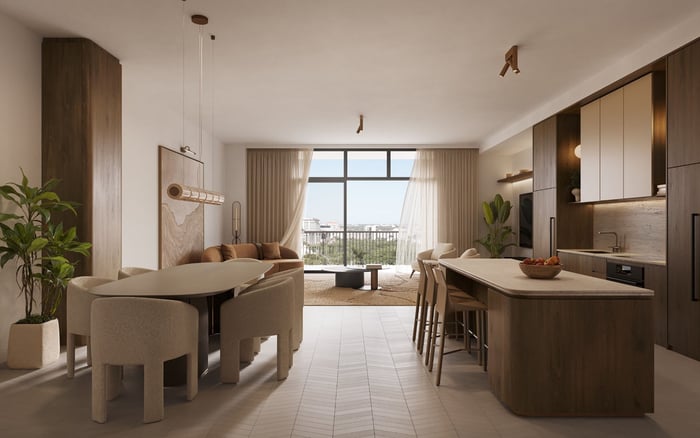
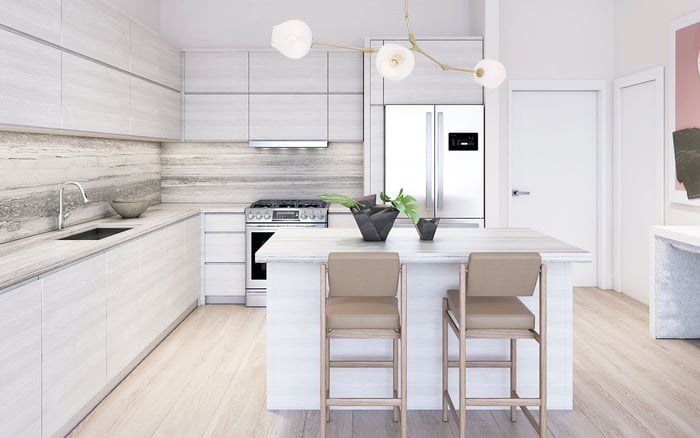
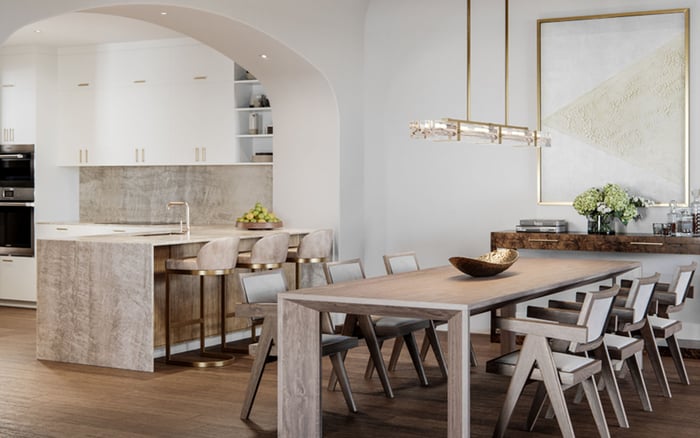
Coral Gables offers a more formally planned setting, while Coconut Grove favors a lush village atmosphere. For luxury buyers, the meaningful differences emerge at the property level: school eligibility, everyday walking routes, waterfront access, and architectural character.
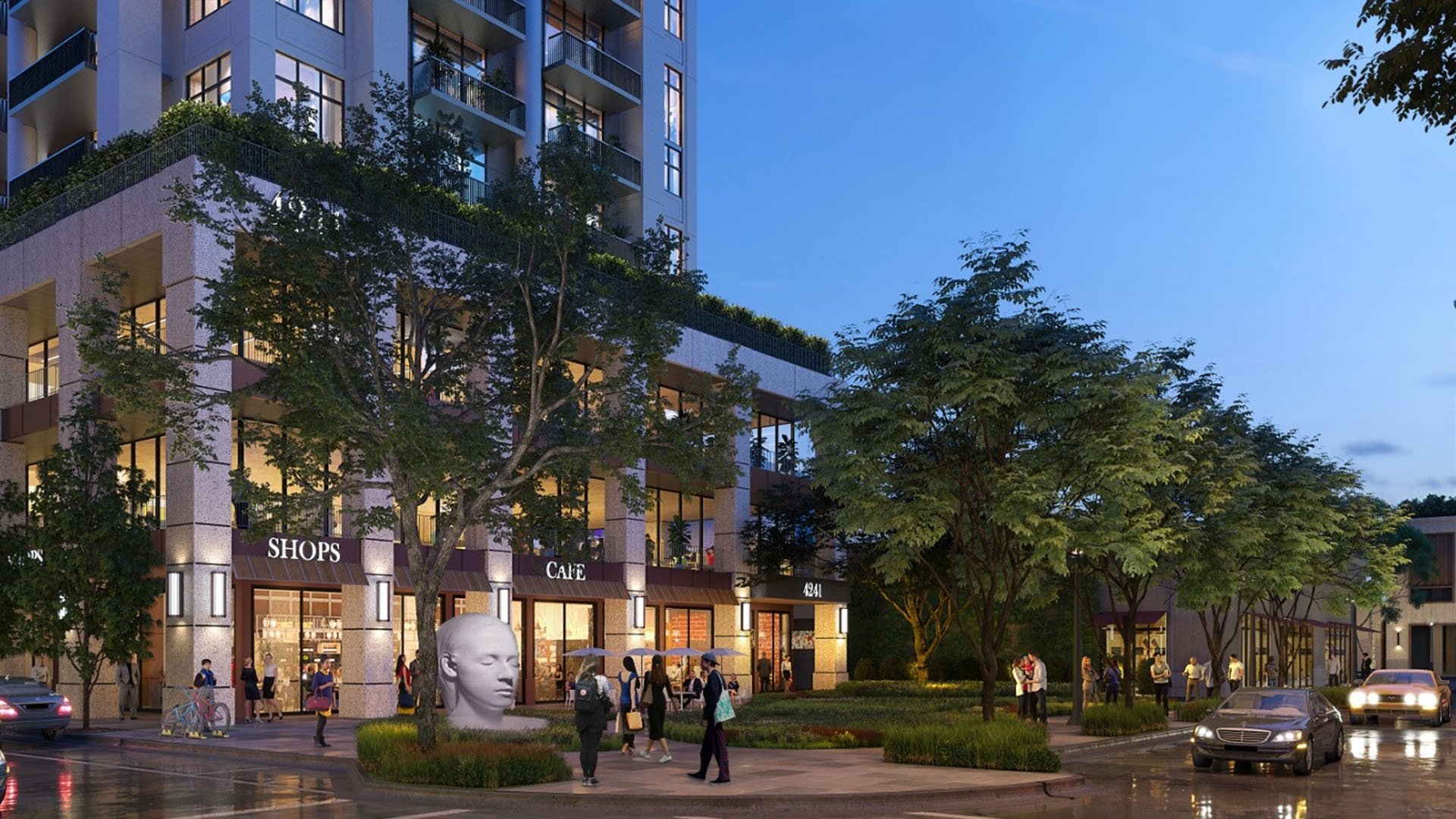
Coral Gables and Coconut Grove offer two distinct expressions of South Florida living. One is defined by formal boulevards, Mediterranean Revival architecture, and an ordered residential landscape. The other favors a lush, shaded village atmosphere near Biscayne Bay, with greater architectural variety. For a luxury buyer, the choice is less about declaring a winner than deciding which setting makes ordinary days more satisfying.
There is also a practical distinction: Coral Gables is an incorporated city with its own planning framework; Coconut Grove is a neighborhood within the City of Miami. That difference provides context, but it does not resolve the questions that matter most to a household. Schools, walking routes, waterfront access, and the immediate streetscape require a property-by-property assessment.
The strongest comparison begins with a realistic weekday: school drop-off, morning coffee, an afternoon outdoors, and the return home. A neighborhood’s reputation is a starting point, not a substitute for testing that routine.
Both communities are served by Miami-Dade County Public Schools. Neither a Coral Gables address nor a Coconut Grove address, by itself, establishes a particular school assignment. Buyers should confirm the exact property’s assignment with the district before allowing an assumption about schools to shape a purchase decision.
Public schools relevant to this comparison include Coral Gables Preparatory Academy, George Washington Carver Middle School, Coral Gables Senior High School, and Coconut Grove Elementary School. These are options to investigate, not a universal school sequence shared by every home in either community. Address-specific eligibility remains essential.
For households considering private education, Coconut Grove offers convenient access to Ransom Everglades and Carrollton School of the Sacred Heart. Convenience still varies by residence and campus, and proximity does not establish admission. A route that looks simple on a map deserves a trial at the hours a family would actually travel.
Treat educational fit and residential fit as related but separate decisions. Confirm the school pathway first, then test whether the home supports the household’s schedule. Neither community should be chosen on an unsupported assumption that its schools are uniformly superior.
Coconut Grove’s compact commercial center is one of its defining lifestyle attractions. CocoWalk, Main Highway, and Commodore Plaza anchor dining, cafés, shopping, and everyday outings. For buyers who value leaving the car behind for a meal or a casual errand, proximity to this core deserves particular attention.
That does not make every Grove residence equally walkable. When considering Arbor Coconut Grove, for example, evaluate the routes to destinations you expect to use rather than assuming the village’s broader character applies to an individual address. The useful question is not whether the Grove is walkable, but whether your routine would be.
Coral Gables has a larger, more distributed network of commercial districts. Miracle Mile, Giralda Plaza, Merrick Park, and portions of Ponce de Leon Boulevard offer pedestrian destinations, while estate neighborhoods are generally more car-dependent. The result is several versions of Gables living rather than one uniform experience.
A buyer considering Cora Merrick Park should apply the same destination-by-destination test. Identify the places that would genuinely become part of the week, then walk the relevant routes. A compelling district matters most when its everyday offerings align with your habits.
Both areas also have access to Metrorail, including stations near Coconut Grove, Douglas Road, and the University of Miami area. Its usefulness depends on the residence’s precise location and the journeys a household needs to make.
In Coconut Grove, the waterfront is closely associated with public recreation. Dinner Key Marina, Peacock Park, and nearby sailing amenities make the bay a prominent part of neighborhood life. This can appeal to buyers who want waterfront outings close at hand without requiring a waterfront residence.
Coral Gables offers a different emphasis. Canal- and bay-access residential enclaves, particularly in its southern and eastern sections, place waterfront living in a more private residential context. For buyers who envision a home organized around its relationship to the water, these enclaves warrant a focused search.
The distinction is useful, but not absolute. Public waterfront recreation, a water view, and private boating access are separate attributes. Buyers should establish which they want and verify what a particular property provides. A broad waterfront description should never substitute for a clear understanding of access and use.
Coral Gables has a recognizable architectural identity. Mediterranean Revival influences, tiled roofs, arches, formal boulevards, and plazas contribute to a generally cohesive planned streetscape. Its appeal often lies in the relationship between buildings, landscaping, and the wider street rather than in any single architectural detail.
That context is worth considering when reviewing Ponce Park Coral Gables. Assess the residence on its own merits, then consider how its surroundings fit your preference for an ordered urban setting. The broader Gables character provides context, not proof of any individual building’s design or specifications.
Coconut Grove is more eclectic. Historic cottages, tropical residences, mid-century homes, contemporary renovations, and newer luxury construction coexist beneath mature trees. Continuity comes less from a single architectural vocabulary than from lush landscaping and a shaded residential atmosphere.
For a buyer weighing Four Seasons Residences Coconut Grove, the same distinction applies: evaluate the individual residence separately from the neighborhood’s broader character. A preference for contemporary living need not mean a preference for a uniformly contemporary streetscape.
Coral Gables may resonate more strongly with buyers seeking visual consistency, a formal residential setting, and generally larger lots. Coconut Grove may appeal more to those drawn to architectural variety, tropical shade, a compact village center, and public bayfront recreation. These are tendencies, not guarantees attached to every address.
Before making a final comparison, return to four questions: Is school eligibility confirmed? Do the walking routes serve your actual routine? Does the waterfront relationship match your intended use? Does the immediate streetscape feel right? The most persuasive answer is a property that meets those priorities together, not a neighborhood that wins on reputation alone.
For a tailored comparison of residences in Coral Gables and Coconut Grove, explore MILLION.
If branded residences are on your mind — as a home or as an allocation — we would be glad to share what we are seeing, privately.
Begin a quiet conversationCoral Gables generally offers a more formally planned setting and cohesive streetscape. Coconut Grove has a lush village atmosphere with greater architectural variety.
Coral Gables is an incorporated city with its own planning framework. Coconut Grove is a neighborhood within the City of Miami.
Both communities are served by Miami-Dade County Public Schools, but school assignments depend on the exact property. Confirm eligibility directly with the district.
Options to investigate include Coral Gables Preparatory Academy, George Washington Carver Middle School, Coral Gables Senior High School, and Coconut Grove Elementary School. Eligibility must be checked for each address.
Coconut Grove offers convenient access to Ransom Everglades and Carrollton School of the Sacred Heart. Travel convenience varies by property and campus, and proximity does not guarantee admission.
The Grove has a compact commercial core around CocoWalk, Main Highway, and Commodore Plaza, while Coral Gables has several pedestrian districts. Neither community is uniformly walkable, so compare specific routes.
Miracle Mile, Giralda Plaza, Merrick Park, and portions of Ponce de Leon Boulevard offer walkable destinations. Estate neighborhoods are generally more car-dependent.
Coconut Grove emphasizes public parks, marinas, and sailing amenities. Coral Gables waterfront living is more often associated with private canal- and bay-access residential enclaves.
Coral Gables is strongly associated with Mediterranean Revival design and a cohesive planned streetscape. Coconut Grove mixes cottages, tropical residences, mid-century homes, and contemporary construction.
Both areas have access to Metrorail, including stations near Coconut Grove, Douglas Road, and the University of Miami area. Practical convenience depends on the home's location and the intended journey.