A buyer-focused guide to terrace upkeep, wind-exposure due diligence, and storm-securement responsibilities at Delano Residences & Hotel Miami and Apogee South Beach, with particular attention to seasonal ownership and written building policies.
A terrace should extend the pleasure of a residence, not leave its owner guessing about maintenance or storm preparation. For buyers comparing Delano Residences & Hotel Miami with Apogee South Beach, the essential questions concern responsibility, everyday comfort, and what happens when the owner is elsewhere.
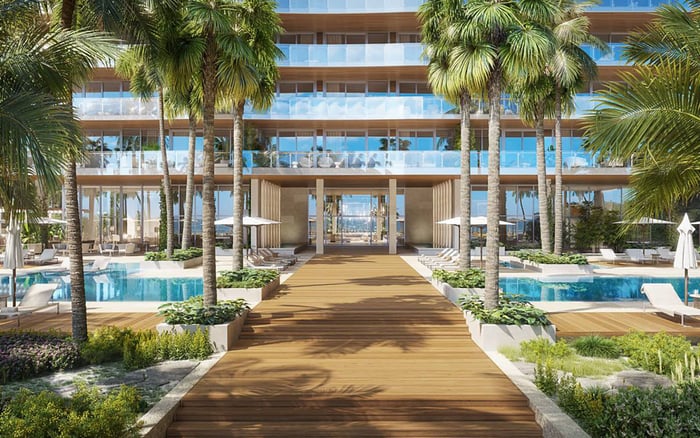
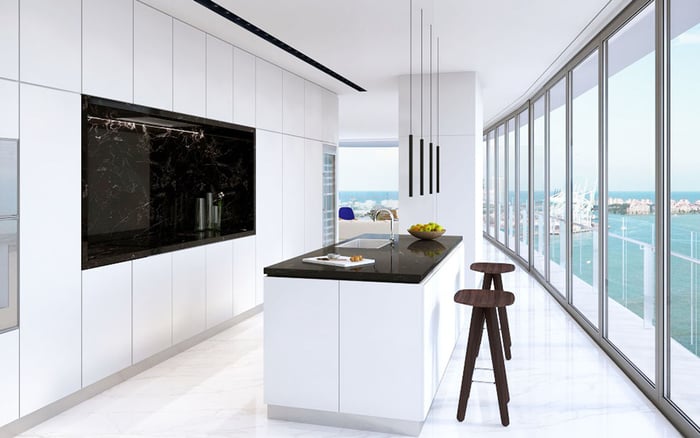
First, establish the geography. Delano Residences & Hotel Miami is marketed at 400 Biscayne Boulevard in downtown Miami, not South Beach. Its advertised floor-to-ceiling windows frame views toward downtown Miami, Miami Beach, and the Atlantic Ocean. Those views do not establish terrace wind conditions or the residence's hurricane-protection system.
At Apogee South Beach, apply the same discipline: request the governing documents and current operating rules rather than treating location or reputation as evidence of a particular maintenance service. The purchase decision should distinguish what is promised, what is required, and what remains the owner's responsibility.
Ask for the declaration, maintenance matrix, current budget, and rules covering each exterior component. The matrix should identify who inspects, maintains, repairs, and pays for waterproofing, drains, pavers, railings, doors, glazing, and exterior finishes. These responsibilities are not interchangeable.
At Apogee, ask specifically whether terraces are designated limited common elements, and have counsel explain the consequences under the current documents. Exclusive use of a terrace does not answer who funds or authorizes work beneath its visible surface.
For Delano, intervals for waterproofing inspections, drain cleaning, pressure washing, railing inspections, and sealant replacement remain to be confirmed. Request the written schedule and clarify whether it is proposed or operative. A lack of detail in an amenity description does not establish that maintenance is absent.
Before planning an outdoor room, ask which finishes, planters, furnishings, or alterations require approval. Resolve design permissions before committing to a terrace scheme.
There is no established basis here for calling either property, or any particular terrace, less windy or better protected. An ocean view is not a wind-comfort assessment, and a building's name cannot settle the question.
Ask whether unit-specific engineering information is available and what it says about the terrace you are considering. Have an appropriate professional explain the relevance of elevation, orientation, terrace configuration, and surrounding conditions rather than drawing conclusions from a floor plan alone.
Where access is possible, visit to assess your own comfort, while recognizing that a pleasant afternoon does not establish performance in other weather. Keep ordinary outdoor enjoyment separate from hurricane protection: evidence addressing one is not proof of the other.
If your downtown shortlist also includes One Thousand Museum Downtown Miami, carry the same questions into that review. This is a comparison framework, not a claim that the buildings share wind conditions or operating policies.
Request each property's written hurricane or emergency plan. The essential issue is not simply whether outdoor furniture must be secured, but what action is required, who must take it, and by what deadline.
Ask management to identify the event that activates the rule, the removal deadline, prohibited outdoor items, and whether anything may remain outside under an approved arrangement. Obtain specific instructions for furniture, cushions, umbrellas, and planters. Do not assume that weight or attachment makes an item acceptable.
Storage deserves a separate answer. Ask where items may be placed, who moves them, whether a reservation or service agreement is necessary, and what charges apply. Confirm emergency-entry authority and the procedure if the owner cannot be reached.
Neither property's specific removal deadlines, storage arrangements, or emergency-access rules should be assumed from this discussion. These are document-request items, not confirmed policies. Obtain the operative version and clarify any pending changes before relying on it.
Delano's advertised amenities include a “While You Are Away” maintenance package. That is a useful starting point for a seasonal owner, but the name alone does not establish storm-preparation coverage.
Whether terrace cleaning, furniture relocation, storm preparation, or post-storm inspections are included remains unspecified. Request a written scope with pricing, exclusions, emergency availability, and any separate authorization requirements. Ask whether storm work requires advance enrollment and what happens if the residence is unoccupied when instructions are issued.
For Apogee, ask management directly which arrangements, if any, are available for absent owners. Do not transfer expectations from Delano's advertised package to another building.
The objective is a complete chain of responsibility: a named contact, authorized access, an agreed task, a deadline, and a clear payment arrangement. An owner abroad should not have to negotiate those details after preparations are underway.
Florida law requires residential and mixed-use condominium boards to adopt hurricane-protection specifications for each building operated by the association. Those specifications may address color, style, and other relevant factors, and must comply with the applicable building code.
Responsibility varies among associations. Some provide building-wide shutters or storm-rated windows and doors; others assign protection of individual openings to owners. Obtain the allocation applicable to the residence rather than assuming a universal condominium standard.
Delano's specific residential hurricane-protection system remains to be verified. Request written confirmation of the specified or installed system, as applicable, together with relevant approval documentation. Apply the same verification discipline to an Apogee purchase. General high-rise protection requirements do not verify either property's glazing or approvals.
Do not assume an owner may independently install protection without association specifications, approvals, permitting, and code compliance. During a hurricane, exterior openings should remain closed; do not open windows or balcony doors.
Request available structural inspection documentation, applicable milestone inspections, structural-integrity reserve studies, waterproofing assessments, and outstanding repair lists. Ask which findings concern the terrace or exterior envelope and how any related work is reflected in the budget. These requests do not imply that either property has a defect or pending project.
Then reconcile three things: the governing documents, management's written answers, and any separate service contract. If responsibility remains unclear, seek clarification rather than relying on a verbal assurance. Ask your legal and technical advisers to distinguish ongoing owner tasks from association obligations and optional services.
The strongest comparison is not a speculative ranking of terrace exposure. It is a clear account of how the residence can be enjoyed, maintained, and prepared when you are not there.
For a discreet approach to your South Florida residence search, explore MILLION.
If branded residences are on your mind — as a home or as an allocation — we would be glad to share what we are seeing, privately.
Begin a quiet conversationNo. It is marketed at 400 Biscayne Boulevard in downtown Miami, not South Beach.
Yes, its published amenities include a “While You Are Away” maintenance package. Buyers should obtain the written scope, pricing, exclusions, and emergency availability.
The published amenity description does not specify whether storm preparation, furniture relocation, terrace cleaning, or post-storm inspections are included. Confirm each task in writing.
Request the declaration, maintenance matrix, budget, and rules to establish responsibility for each component. Do not assume that waterproofing, drains, pavers, and railings all have the same maintenance or payment allocation.
That designation is not established here. Obtain the current declaration directly from management and have counsel explain the terrace classification and its implications.
There is no verified basis for ranking either property or a particular terrace as less windy. Request unit-specific engineering evidence rather than inferring exposure from location or views.
The building-specific deadlines are not established here. Obtain the written emergency plan identifying the activation trigger, required actions, and removal deadline.
Do not assume that emergency access or furniture-moving service is authorized or included. Confirm entry authority, owner-consent requirements, service availability, and charges in writing.
Owners should not assume they can proceed independently of association specifications and approvals. Permitting and applicable building-code requirements must also be addressed.
Its published materials do not establish the specific system. Obtain written confirmation and relevant approval documentation rather than assuming shutters or impact glazing are included.