A disciplined West Palm Beach closing review separates litigation status, building condition, repair funding, and underwriting decisions. Here is what buyers should request before treating a condominium purchase as ready to close.
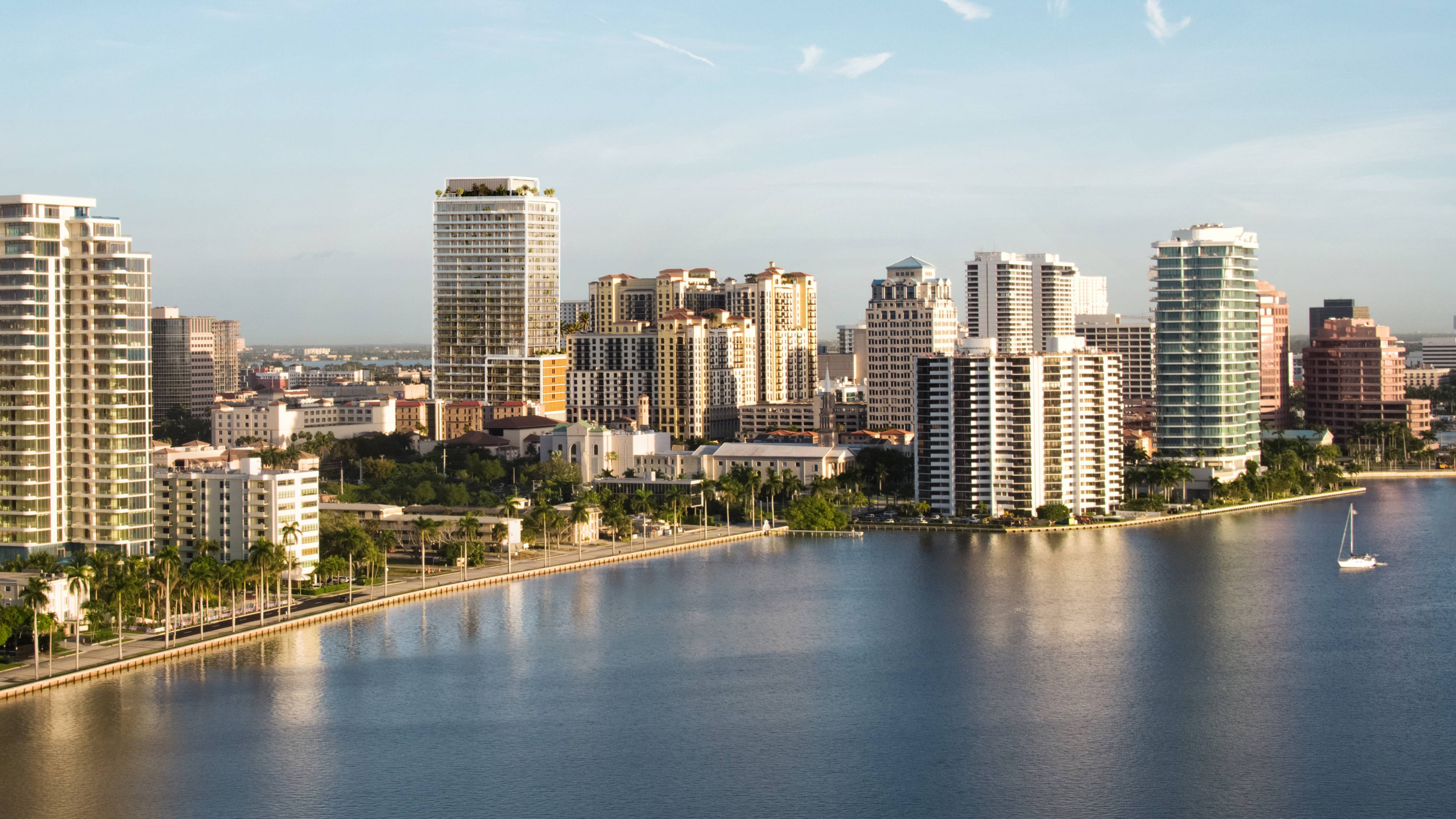
In West Palm Beach, a carefully chosen residence deserves an equally considered closing process. Beyond the floor plan and waterfront outlook, buyers should resolve four distinct questions: whether litigation is active, what the building's condition documents establish, how repairs will be funded, and what the lender and insurance professionals will accept.
Those questions overlap, but none answers the others. A completed inspection does not establish that repairs are funded. A settlement does not establish that work is finished. A lawsuit, without further analysis, does not establish that a condominium cannot be financed or insured.
For buyers considering Alba West Palm Beach, the starting point is a property-specific document request, tailored to the building's stage and applicable obligations. The same discipline belongs in any comparison. Project references here provide shopping context, not statements about litigation, defects, or underwriting status.
La Clara illustrates why dates and legal characterizations matter. Its condominium association's litigation against Great Gulf affiliates and construction participants over alleged defects provides a historical example, not a statement of current case status. Allegations should not be treated as adjudicated findings, nor should insurance coverage be presumed.
Before drawing a conclusion about closing, ask counsel to verify the current docket, identify the operative claims, and distinguish allegations from court findings. Request an explanation of any settlement, dismissal, unresolved claim, or remaining obligation relevant to the purchase. A concise status memorandum is more useful than a collection of headlines.
Not every condominium-related lawsuit concerns construction quality. Frisbie Group and Two Roads Development settled their federal dispute concerning a waterfront West Palm Beach condominium project, and a judge closed the case in July 2023. That development dispute should not be equated with an association construction-defect action.
The buyer's question is not simply whether a building or developer has appeared in litigation. It is what the dispute concerns, what remains unresolved, and which documents establish its present significance.
Milestone structural inspections and structural integrity reserve studies, commonly called SIRS, serve distinct purposes. One addresses building condition; the other informs future repair funding. Treating them as interchangeable leaves an important gap in diligence.
Covered residential condominium buildings of three or more habitable stories require a SIRS at least every 10 years. A SIRS identifies estimated remaining useful lives and replacement or deferred-maintenance costs for major components. Counsel should confirm the requirements applicable to the building at the time of purchase.
Those components include roofs, primary structural members, fire-protection systems, plumbing, electrical systems, waterproofing and exterior painting, and windows and exterior doors. The resulting study should be reviewed alongside the association budget and structural reserve schedule, not in isolation.
When evaluating Forté on Flagler West Palm Beach, ask which inspection and reserve requirements apply and which documents are available for the relevant closing stage. Have counsel confirm applicable timing rather than relying on an older deadline or assuming a universal coastal inspection threshold.
Restrictions on waiving or reducing reserves for specified structural components make the association's funding approach a central purchase consideration. They do not mean every component's entire replacement cost must immediately be held in cash.
The practical question is whether the funding plan meets the identified obligations. Structural repair needs without sufficient reserves can require additional owner contributions. Request the latest SIRS, current budget, structural reserve schedule, and details of any approved or proposed assessments together. Ask how the association intends to close any gap between anticipated work and available funding.
Litigation recoveries warrant a separate review. In an October 2016 settlement, Kolter Signature Homes resolved the San Matera Condominium Association's $36 million construction-defect lawsuit for $22.5 million. The developer's insurer funded approximately $11.8 million, with subcontractors and the architect contributing the balance.
That historical example illustrates a particular settlement structure, not a prediction for another building. Buyers should ask what proceeds have actually been received, what work they are intended to fund, and what obligations remain. A settlement amount alone is not evidence that every repair is complete or every future owner contribution has been eliminated.
Inspection completion, structural findings, and reserve funding can affect condominium underwriting, loan approval, and closing timing. Submit the building documents early enough for the lender to identify unresolved questions before treating financing as settled.
Ask the lender to specify what it needs concerning litigation, inspections, repair obligations, and reserves. Then request a written explanation of outstanding conditions and confirmation of whether any building-related review remains open. A general financing conversation is not an answer to a specific condominium file.
For a purchase at Mr. C Residences West Palm Beach, frame the inquiry around that transaction's documents and timing, not another property's experience. There is no basis here to declare La Clara, or any referenced residence, unfinanceable. Nor should settlement of a dispute be presented as automatically restoring loan eligibility.
Structural inspections, maintenance, and reserve planning are relevant to condominium insurance risk. Include those records in the discussion with the association's broker, alongside questions about the coverage applicable to the contemplated purchase.
Keep two inquiries separate: whether an insurer may contribute to a construction claim, and what insurance arrangements apply to the building and buyer. The insurer contribution in the San Matera settlement answers neither question for a different condominium.
Buyers considering Shorecrest Flagler Drive West Palm Beach should seek a transaction-specific insurance discussion rather than infer coverage from location or presentation. Ask the relevant professionals to explain unresolved conditions and confirm what remains necessary before closing. Litigation alone provides no basis here for declaring a property uninsurable.
A useful closing checklist brings the legal, physical, and financial files together. Counsel should clarify current litigation status and transaction implications. Inspection findings should be read alongside the latest applicable SIRS. The budget and reserve schedule should explain how identified obligations will be funded. Financing and insurance questions require separate answers.
Where an issue remains unresolved, identify who will answer it, which document is needed, and when the buyer must decide. Refresh time-sensitive information before closing rather than assuming an earlier review remains sufficient.
The objective is not an artificial promise of a risk-free building. It is a purchase decision supported by a clear account of the obligations, funding, and approvals that matter to ownership.
Explore West Palm Beach residences with MILLION and make closing readiness part of your selection criteria.
If branded residences are on your mind — as a home or as an allocation — we would be glad to share what we are seeing, privately.
Begin a quiet conversationThe historical litigation example does not establish its current status. Counsel should verify the current docket before a buyer relies on any characterization.
No; allegations should be distinguished from adjudicated findings and evaluated alongside the relevant building documents.
No automatic financing outcome is established here. Buyers should obtain a lender's transaction-specific review of litigation, inspection findings, and reserve funding.
A milestone inspection addresses structural condition. A structural integrity reserve study estimates major components' remaining useful lives and replacement or deferred-maintenance costs to inform funding.
Covered residential condominium buildings of three or more habitable stories require a SIRS at least every 10 years. Counsel should confirm applicability and timing for the building at the time of purchase.
Review milestone inspection findings, the latest applicable SIRS, the association budget, and the structural reserve schedule together. Request details of approved or proposed assessments as well.
Required reserve contributions do not necessarily mean the full replacement cost of every component must immediately be held in cash. Buyers should examine the applicable funding plan and identified obligations.
Yes; identified structural repair obligations without sufficient reserves can require additional owner contributions, making the funding plan an important closing consideration.
No; buyers should separately verify repair completion, remaining obligations, and insurance arrangements rather than infer them from a settlement.
It was a development dispute and should not be equated with an association construction-defect action. The parties settled, and a judge closed the federal case in July 2023.