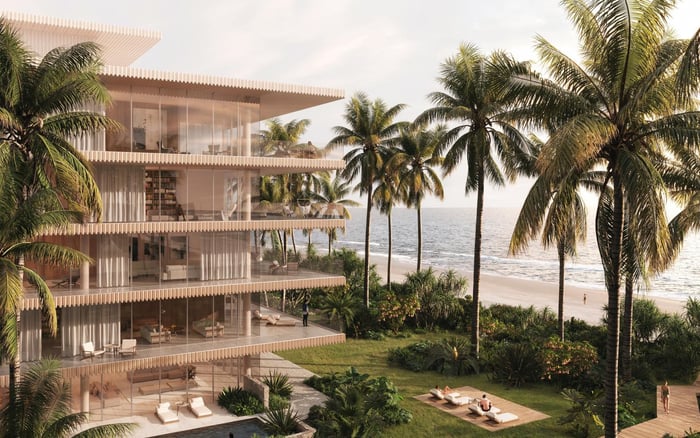
A Palm Beach Gardens view premium deserves parcel-level diligence. Before closing, buyers should examine adjacent land, applicable planning documents, possible building envelopes, view exposure and the association’s financial materials.
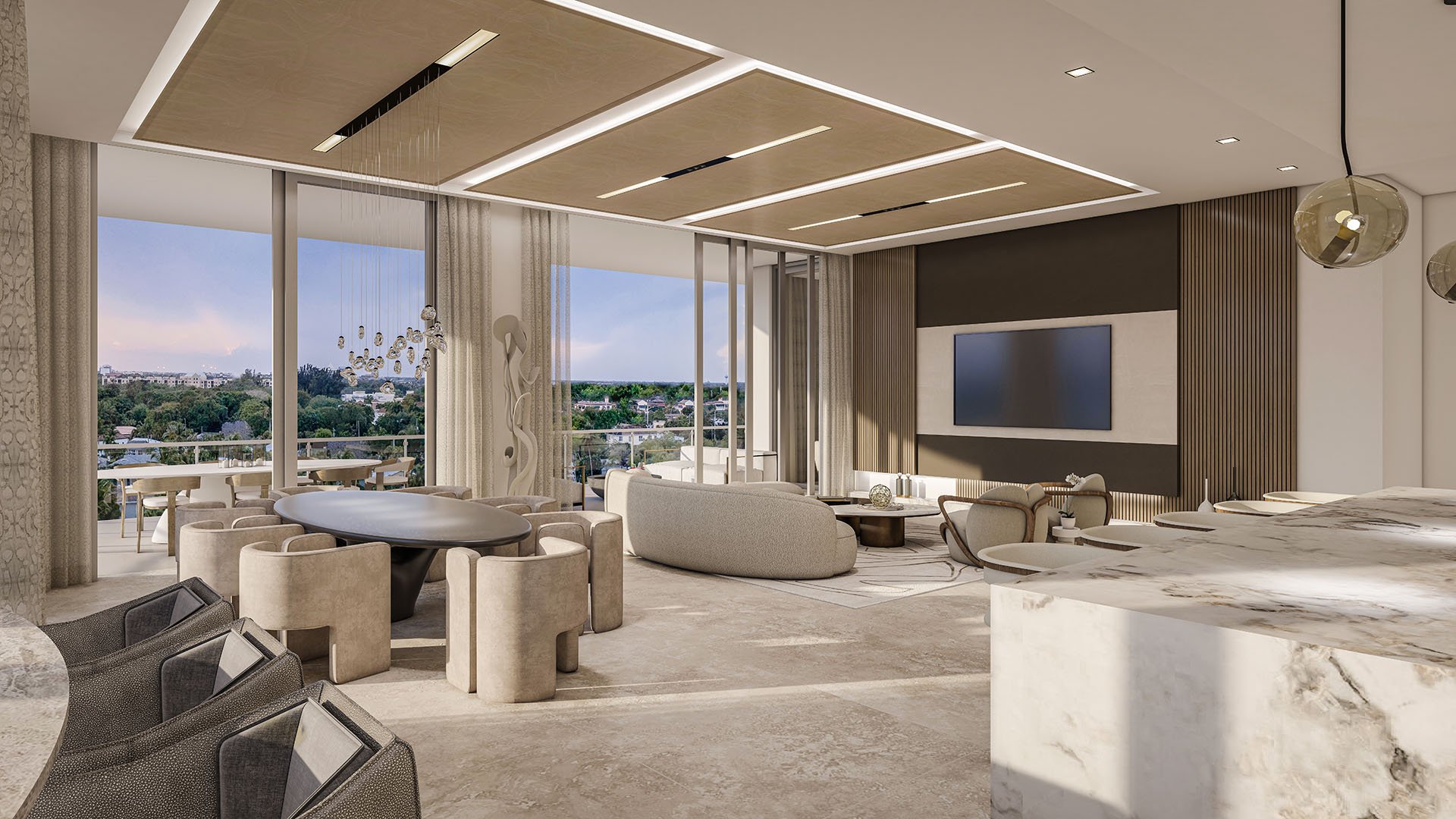
In a full-service Palm Beach Gardens tower, the outlook may influence floor selection, negotiating priorities and the price a buyer is willing to pay. The residence, services and amenities should be evaluated separately from the amount attributed to water, preserve, golf-course or skyline exposure.
During diligence, distinguish between the view visible today and the view that would remain under plausible development conditions. Vacant parcels, landscaped areas and surface parking should prompt document requests rather than assumptions about long-term openness.
Study the view from principal rooms, terraces and seating positions. Note direct sightlines as well as parcels near the edges of the panorama, where future construction could affect openness, light or privacy.
For each relevant parcel, request the available land-use, zoning, ownership and development records. Ask whether any approved but unbuilt component, reserved development area or amendment right could affect the outlook.
This review is especially relevant when evaluating The Ritz-Carlton Residences® Palm Beach Gardens. Buyers should base conclusions on documents applicable to the residence and surrounding parcels rather than promotional imagery or an informal description of the view.
Request confirmation of any pending application affecting land within the meaningful view corridor. The inquiry should cover potential changes to planning designations, zoning, site plans, development approvals or the placement of future structures.
Ask for the latest available application materials, conceptual drawings, approval documents and recorded conditions. Confirm the status of each item shortly before closing so the review reflects the most current materials available to the buyer.
Where different governmental records may apply, ask the buyer’s advisers to identify the controlling documents and any unresolved inconsistency. The goal is a parcel-specific record, not a general description of development conditions in Palm Beach Gardens.
A planning or zoning designation should be converted into a visual model. Ask qualified advisers to identify the relevant limits on height, setbacks, building placement, lot coverage, buffers, parking and rooftop elements, together with any applicable exception, variance or recorded condition.
Confirm how height would be measured and how a base, podium, grade condition or rooftop component would appear from the residence. Then plot possible massing from the eye level of the main living areas and terrace rather than relying only on a plan view.
The same analytical method can inform comparisons with Alba West Palm Beach, Forté on Flagler West Palm Beach and Glass House Boca Raton. Each property requires review of its own site, neighboring parcels and governing documents.
If a view is described as protected, permanent or unobstructed, request the document supporting that description. Ask whether the protection concerns an entire panorama, a narrower corridor, a setback, an easement or another defined area.
The analysis should address more than complete blockage. Consider possible changes to privacy, daylight, night lighting, rooftop visibility, construction activity and the balance between open and built portions of the outlook.
A buyer may also ask for a diagram overlaying the possible neighboring envelope on photographs taken from the residence. The assumptions behind that diagram should be stated clearly and checked by the buyer’s chosen professionals.
Compare the selected residence with alternatives in the same building that depend less heavily on the view. This can help isolate the portion of the purchase decision tied to the outlook.
Test several scenarios, including no material visual change, construction within currently reviewed parameters and a more conservative obstruction case. The purpose is not to predict an outcome but to decide whether the purchase remains acceptable across a reasonable range of possibilities.
Review the view analysis alongside the condominium documents, available association financial materials, anticipated ownership costs and the physical condition of the building. A closing decision should reflect the residence as a whole rather than treating the outlook as the only source of value.
Organize parcel maps, planning records, zoning materials, development documents, diagrams and written responses in the closing file. Note the date of each item and any assumption that remains unresolved.
Before the diligence period ends, ask the buyer’s attorney, planning adviser, surveyor or other relevant professional to identify unanswered questions. No document package can promise an unchanged view, but a disciplined record can clarify what was reviewed and how the buyer evaluated the premium.
Does today’s view establish what I will see in the future? No such conclusion should be made from an inspection alone. Review the relevant parcels and available development documents before assigning long-term value to the outlook.
Which neighboring parcels deserve attention? Examine land in both the direct and oblique sightlines from principal rooms and terraces, including parcels near the edges of the panorama.
What documents should I request? Request available land-use, zoning, site-plan, development-approval and recorded-condition materials for parcels that could affect the view.
How should I treat vacant or landscaped land? Treat its current appearance as a condition to investigate, not as proof that the area will remain unchanged.
Why should height be modeled rather than read from a document? A visual model can show how possible massing would appear from the residence’s actual eye level and primary glazing.
What should an obstruction study consider besides height? Ask the reviewer to consider setbacks, building placement, buffers, rooftop elements, privacy, lighting and the width of the affected sightline.
What supports a claim that a view is protected? Request the specific recorded or approved document behind the claim and confirm the precise area and type of protection it describes.
How can I estimate the amount paid for the view? Compare the residence with less view-dependent alternatives in the same building while accounting for differences in layout, condition and features.
Should the association’s financial materials be part of view diligence? Yes. Evaluate the outlook together with available building documents, ownership costs and the residence’s overall purchase case.
Who can help review the closing file? A buyer may consult an attorney, planning adviser, surveyor or other qualified professional appropriate to the documents and questions involved.
When you're ready to tour or underwrite the options, connect with MILLION.
If branded residences are on your mind — as a home or as an allocation — we would be glad to share what we are seeing, privately.
Begin a quiet conversation