A buyer-oriented guide to distinguishing warranty rights from insurance coverage, reviewing closing documents, and organizing potential claims after association turnover, with Florida’s condominium framework applied conditionally.
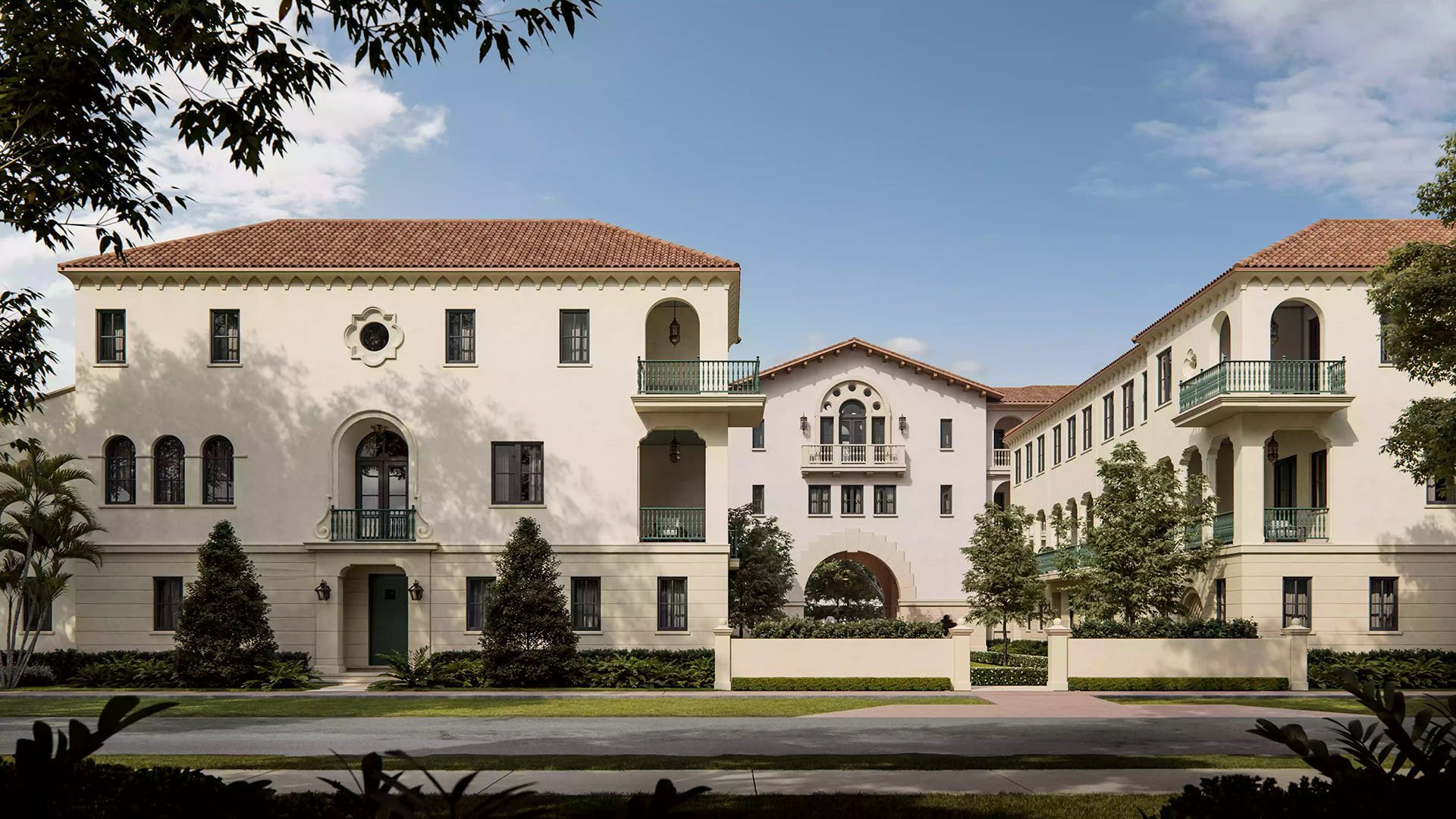
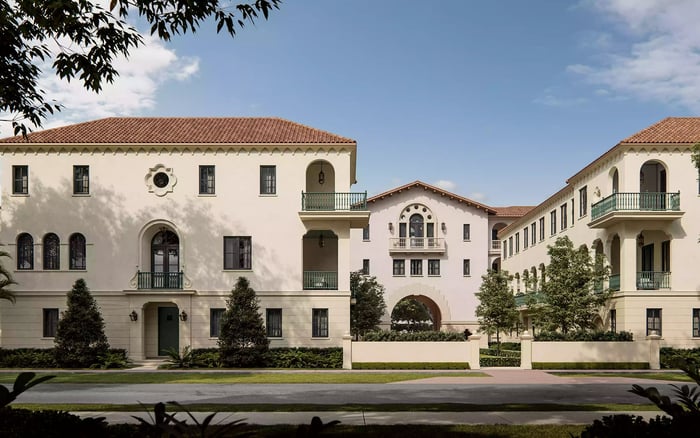
At The Village at Coral Gables, a considered purchase extends beyond finishes and the closing statement to the documents governing ownership. For a luxury buyer, the essential distinction is straightforward: a warranty establishes an obligation; an insurance policy determines whether an insurer must respond. One does not guarantee the other.
Before applying condominium rules to a residence, counsel should confirm its recorded ownership structure and governing documents. If Florida’s condominium framework applies, individual purchasers and the association may have different rights concerning unit interiors, shared components, and building systems. Turnover means nondeveloper owners obtaining association control-not an individual buyer receiving keys.
The warranty periods discussed below reflect condominium provisions from 2024. Counsel should confirm the law applicable to the purchase and any claim. This conditional ownership guide does not describe this community’s insurance program, turnover arrangements, or claims history, and it makes no allegation of defects.
Within that condominium framework, developers grant purchasers implied warranties of fitness and merchantability for the intended purposes or uses. The unit-level warranty generally lasts three years from completion of the building containing the unit. A later closing does not ordinarily begin a fresh three-year period.
A distinct rule governs developer warranties for roofs, structural components, and mechanical, electrical, and plumbing elements serving buildings or improvements, except mechanical elements serving only one unit. For those components, the period runs three years from construction completion or one year after nondeveloper owners obtain association control, whichever is later, subject to a five-year limit after completion.
Contractors, subcontractors, and suppliers have separate implied warranty obligations. Their three-year warranties address roofs, structural components, and covered mechanical and plumbing elements, excluding mechanical elements serving only one unit. Other improvements and materials generally carry a one-year warranty after completion of all construction.
These periods should not be reduced to a single community-wide anniversary. Different buildings and covered improvements may have different completion dates. A warranty period is also distinct from a legal filing deadline: turnover does not automatically postpone every limitation or repose deadline.
For buyers weighing Coral Gables options, including Ponce Park Coral Gables, document review offers a sounder basis for comparison than assuming similarly presented residences provide identical protections. Each purchase requires its own review of ownership documents, warranty language, and relevant dates.
Before closing, ask counsel to organize four categories:
Purchase and ownership documents: Confirm the legal structure and how responsibility is allocated between the residence and any association.
Warranty documents: Review disclosed developer warranties and the scope, duration, terms, and claims procedures of any separately offered extended or third-party warranty.
Completion and control dates: Identify the building’s completion date, relevant improvement dates, and the association-control date where applicable.
Coverage information: Distinguish association property insurance from any developer or contractor liability insurance that may become relevant.
Evaluate an extended warranty by its terms, not its name. Its availability and applicability must be established for the residence. The objective is a usable ownership file, not merely a collection of closing attachments.
The phrase construction-defect insurance can suggest broader protection than a policy provides. Association property insurance generally excludes the cost of correcting defective construction itself. Resulting damage may be covered, but that determination depends on policy language and exclusions.
An alleged waterproofing deficiency, for example, is analytically distinct from damage caused by water entering through it. Evaluating one does not settle coverage for the other. Water intrusion, structural problems, and mechanical or plumbing deficiencies are general claim categories, not findings about The Village at Coral Gables.
Developer or contractor commercial general liability insurance may be relevant to defect-related property damage. It is not a guaranteed warranty for defective work, and access to that coverage cannot be assumed. The practical task is to coordinate two inquiries: who may owe a repair obligation, and whether an insurer has a separate duty to pay.
For a condominium association, turnover should bring together the records needed to understand both the property and its potential remedies. The file should include plans, specifications, warranties, insurance policies, permits, contracts, financial records, maintenance records, and engineering and inspection materials.
An early engineering review should look beyond visible finishes. Its scope should address structure, roofs, façades, waterproofing, mechanical, electrical, plumbing, and other shared systems. A polished interior is no substitute for evaluating concealed or common building components.
For a buyer also considering Cora Merrick Park, the same diligence question applies: what documents and technical evaluations will support ownership after closing? The answer must come from that property’s records, not assumptions drawn from another development.
Boards should pair technical findings with a component-by-component schedule of completion dates, warranty terms, and counsel-reviewed deadlines. Early investigation leaves more opportunity to assess responsibility and pursue a resolution before time constraints narrow the options.
Individual purchasers may hold unit-level warranty rights, while associations can pursue claims involving shared building components and systems. A problem visible inside one residence may still require investigation of a shared system. Counsel and engineers should determine the appropriate scope and claimant, rather than relying on where a symptom first appears.
A disciplined process begins by documenting the alleged defect and assembling relevant drawings, maintenance records, warranties, and coverage information. Counsel then evaluates applicable pre-suit notice requirements, while engineers help establish the claim’s technical basis. Where resolution is possible, the parties may pursue repairs or settlement before litigation.
The board’s administrative role is to coordinate evidence, correspondence, coverage questions, and deadlines. Warranty demands and insurance claims may follow different paths. Waiting for one response should not become a reason to miss another deadline or delay investigation.
The same document-first approach applies when a search extends to Coconut Grove and Arbor Coconut Grove. Comparing residences does not establish that their ownership structures, warranty packages, or insurance protections are equivalent.
For The Village at Coral Gables, the closing objective is clarity: confirm which legal framework applies, identify the relevant dates, review actual warranty and policy terms, and understand who will administer shared-component concerns. Thoughtful ownership rests on aligning documents, technical review, and timely action-not on a presumption that turnover resets every obligation.
For a considered perspective on South Florida luxury ownership, explore MILLION.
If branded residences are on your mind — as a home or as an allocation — we would be glad to share what we are seeing, privately.
Begin a quiet conversationIts application depends on the residence’s recorded ownership structure and governing documents. Counsel should confirm those details before applying condominium warranty rules.
Under the 2024 condominium provision discussed here, the developer’s unit warranty generally runs from completion of the building containing the unit, not the buyer’s closing.
For specified components, the 2024 provision uses three years from completion or one year after nondeveloper owners obtain association control, whichever is later, subject to a five-year limit after completion.
Under the 2024 provision, contractors, subcontractors, and suppliers provide three-year warranties for specified components and one-year coverage for other improvements and materials. Component scope, exclusions, and completion dates matter.
It generally excludes correcting defective construction itself. Resulting damage may be covered, depending on the policy’s terms and exclusions.
Commercial general liability coverage may be relevant to defect-related property damage. It is not a guaranteed warranty, and coverage or access to a policy should not be assumed.
Individual purchasers may have unit-level warranty rights, while associations can pursue shared-component and system claims. Counsel and engineers should assess the appropriate claimant and scope.
The file should include plans, specifications, warranties, policies, permits, contracts, financial and maintenance records, and engineering and inspection materials. Relevant completion and association-control dates should also be tracked.
It should address structure, roofs, façades, waterproofing, mechanical, electrical, plumbing, and other shared systems rather than visible finishes alone.
No automatic extension should be assumed. Warranty periods and legal filing deadlines require separate review, and delaying investigation can jeopardize recovery.