For a family office considering The Lincoln Coconut Grove, the ownership model should separate staged deposits, closing liquidity and recurring carry. Advertised HOA figures provide a starting point, but taxes, insurance, financing and contract-specific obligations require their own underwriting before signing.
A residence can be an elegant family asset and still demand exacting treasury work. At The Lincoln Coconut Grove, the question is not simply whether the purchase price fits the allocation. It is whether the family office has separated capital committed before delivery, cash required at closing and the recurring cost of ownership.
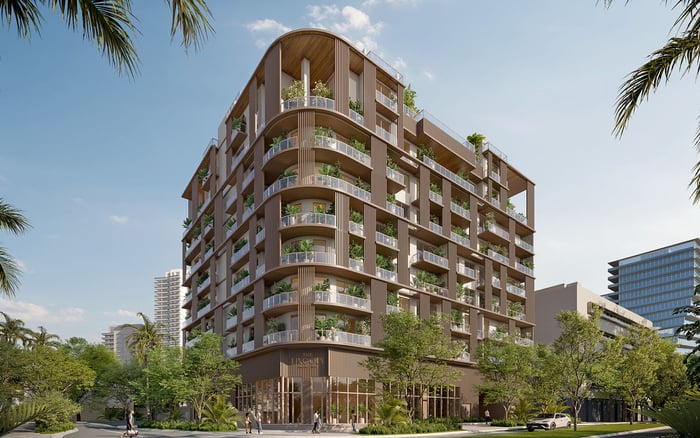
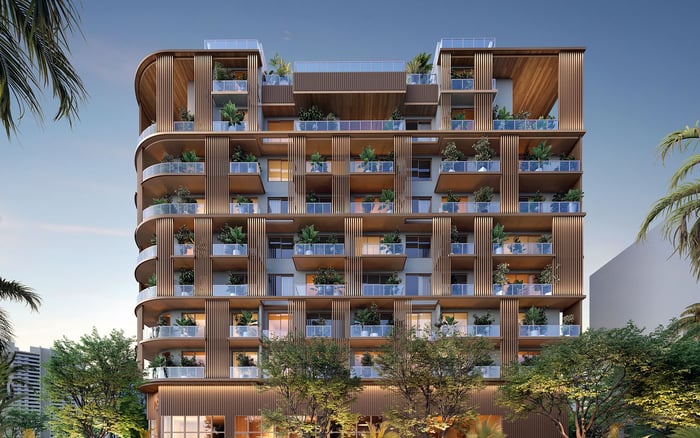
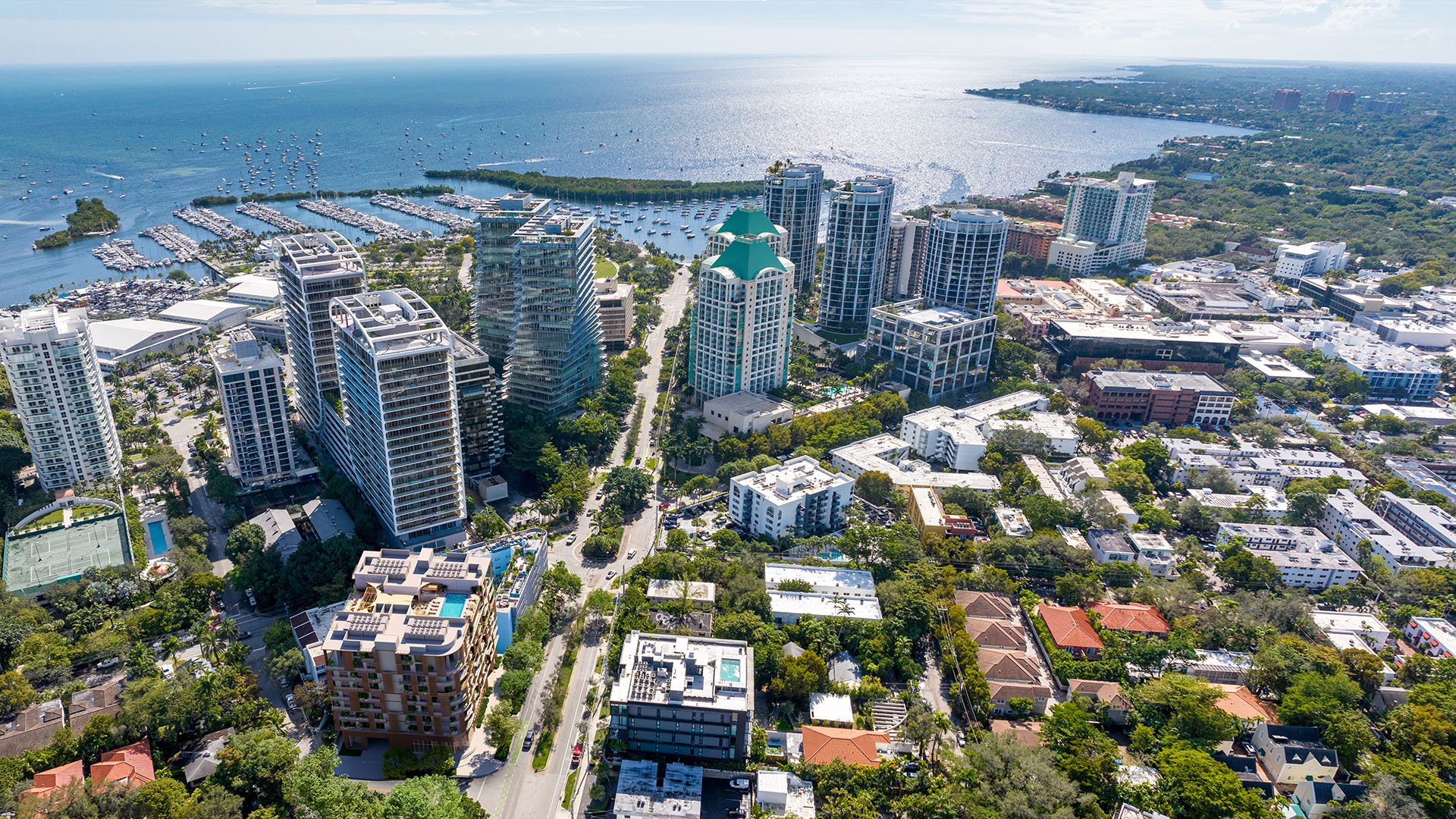
The project is an eight-story, 48-residence condominium developed by LORE Development Group and Element Development, with a planned address of 2650 Lincoln Avenue upon completion. Residence sizes span approximately 1,200-3,630 square feet, from one bedroom plus den to four bedrooms plus den. Starting prices around $1.5 million were advertised in July 2026-a dated benchmark, not a unit-specific contract price.
Build three linked schedules, not one blended expense line. Deposits belong in the acquisition cash-flow schedule; closing costs belong in the completion funding schedule; recurring expenses belong in annual carry. Keep opportunity cost visible without confusing it with an invoice.
The advertised payment schedule calls for 10% at signing, 10% after 60 days, 10% at groundbreaking, 10% at top-off and 60% at closing. That commits 40% of the purchase price before closing, subject to the executed agreement.
For each installment, record the amount, contractual trigger, expected funding date and liquidity source. Counsel should confirm how milestones already reached affect a newly signed contract. The marketing sequence alone does not resolve that question.
Calculate opportunity cost from each installment's actual funding date: multiply the installment amount by the office's chosen annual opportunity-cost rate and the fraction of a year outstanding. Do not assume the entire 40% leaves the portfolio on signing day, or that deposits earn no interest without reviewing the escrow terms.
Timing warrants explicit scenarios. One advertised schedule places the closing installment in Q1 2028, while the completion expectation as of September 2026 is year-end 2028. Neither is a guaranteed closing date. Model earlier, later and delayed delivery cases, adjusting deposit duration and liquidity availability accordingly.
The advertised 60% installment is the remaining purchase-price payment. It is neither an all-in closing estimate nor a lender's commitment to finance that amount.
Start the closing schedule with the contractual balance, then add each applicable charge identified by counsel and the closing agent. Obtain transaction-specific estimates for legal work, title and recording charges, financing expenses, prorations and any required association contributions. These are diligence categories, not confirmed project charges or amounts.
Show confirmed loan proceeds separately from family cash. Until financing terms are committed, retain a scenario that does not depend on the anticipated advance. The $58 million construction loan concerns project financing, not an individual buyer's borrowing capacity.
Keep furnishing, move-in spending and any planned customization outside recurring carry but inside acquisition liquidity. A residence can close within budget and still require additional cash before it is ready for family use.
The indicative association rate is approximately $1.36 per square foot monthly, equivalent to $16.32 per square foot annually. It is a planning input, not a substitute for the applicable unit schedule and association budget.
Quoted examples make the scale tangible. Unit 302 carries a quoted monthly fee of $2,113, or $25,356 annually. Unit 406 is quoted at $2,180 monthly, or $26,160 annually. Unit 205 is approximately $3,461 monthly, or $41,532 annually. Each annual figure is simply the quoted monthly charge multiplied by 12, excluding increases, assessments and separately billed expenses.
A broader advertised range of approximately $1,664-$3,461 monthly translates to $19,968-$41,532 annually. It describes different quoted charges, not a likely escalation band for a single residence.
Boutique scale is no budget guarantee. If Arbor Coconut Grove is also under consideration, compare documented allocations and inclusions rather than assuming similar positioning means similar carry. For The Lincoln, reconcile the quoted fee with the actual unit allocation before treating a square-foot calculation as the controlling figure.
HOA dues generally exclude in-unit electricity, contents insurance and property taxes. None should be buried in a miscellaneous allowance. Obtain a property-specific tax estimate and insurance quotations suited to the intended ownership and use, without inserting an unsupported tax percentage or premium.
Clarify association insurance coverage, owner responsibilities and deductibles before setting the owner's insurance budget. Add applicable utilities, interior maintenance, household services and entity administration only after confirming what the association covers. Avoid double counting.
For a financed purchase, include debt service in the cash-carry view while distinguishing principal repayment from financing expense in the economic-cost view. Maintain both a first-year cash budget and a full 12-month ownership budget so a late-year closing does not make recurring costs appear artificially low.
The building's promoted “Green Certified” positioning does not establish measurable utility or maintenance savings. Any operating-cost discount should await supporting specifications and budget evidence.
A useful downside case varies delivery timing, association dues, taxes, insurance and financing independently. The office should choose its own stress assumptions and label them as planning judgments, not project forecasts. Keep contingency allowances separate from scheduled recurring expenses.
Request the proposed operating budget, reserve information, expense allocations and applicable assessment provisions. Neither new construction nor the opening fee quote establishes reserve adequacy. Do not treat an increase or a special assessment as certain; the objective is to understand exposure before committing.
Ownership structure warrants parallel legal review. Confirm entity eligibility, voting rights, sponsor control, leasing restrictions, transfer provisions and cancellation rights in the governing documents and purchase agreement. Do not underwrite rental offsets or frictionless transfers without that review.
If Opus Coconut Grove enters the shortlist, apply the same document checklist. Compare the cost and flexibility of ownership under each contract rather than assuming equivalence between neighboring offerings.
Before approval, every material model input should carry a status: contractual, quoted, estimated or awaiting confirmation. Assign responsibility for resolving open items and updating the model as delivery approaches.
The decision should rest on funded deposits, credible closing liquidity and a complete annual ownership budget. That discipline preserves the pleasure of the residence without letting an attractive entry price or monthly fee obscure the commitment.
For a discreet conversation about Coconut Grove ownership and acquisition planning, connect with MILLION.
If branded residences are on your mind — as a home or as an allocation — we would be glad to share what we are seeing, privately.
Begin a quiet conversationSeparate pre-closing deposits and their opportunity cost, one-time closing liquidity and recurring ownership expenses. This keeps acquisition funding distinct from annual carry.
The advertised schedule is 10% at signing, 10% after 60 days, 10% at groundbreaking, 10% at top-off and 60% at closing. The executed contract governs the buyer's obligations.
The advertised installments total 40% before closing. Calculate opportunity cost from each installment's actual funding date rather than treating all 40% as funded at signing.
No. It represents the advertised remaining purchase-price payment, not an all-in closing estimate or a promised mortgage advance.
September 2026 expectations place completion at the end of 2028, while another advertised schedule places the closing installment in Q1 2028. Treat these as estimates and test multiple funding timelines.
The quoted rate is approximately $1.36 per square foot monthly, or $16.32 annually. Confirm the applicable unit allocation and budget before relying on it.
Quoted annualized fees are $25,356 for Unit 302, $26,160 for Unit 406 and $41,532 for Unit 205. These calculations assume 12 months at the advertised monthly charge without increases or assessments.
Fee guidance indicates that HOA dues generally exclude in-unit electricity, contents insurance and property taxes. Add applicable financing and other owner expenses after checking association inclusions.
Not without supporting evidence. The environmental positioning does not establish quantified utility savings or maintenance-cost benefits.
Counsel should confirm entity eligibility, voting rights, sponsor control, leasing and transfer restrictions, cancellation rights and assessment provisions. Do not assume project-specific rights from marketing materials.