A buyer-focused comparison of two branded residential service models, with close attention to staffing disclosure, gratuity policy, and the components of annual carry.
The meaningful comparison between Cipriani Residences Brickell and Rosewood Residences Hillsboro Beach is not simply city versus ocean. It is how each property translates a hospitality name into daily residential service-and allocates the cost between common assessments and personal consumption.
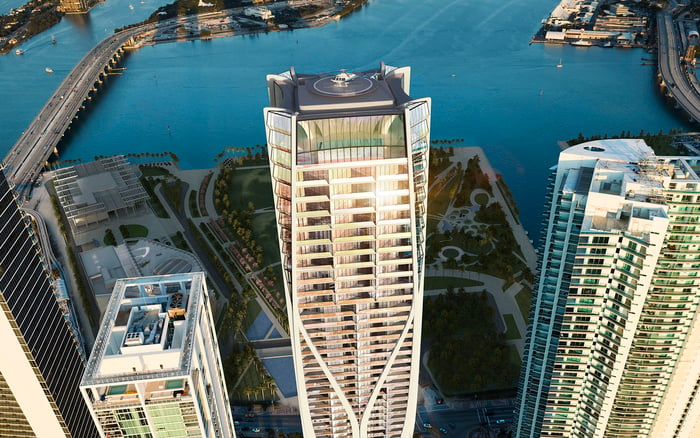
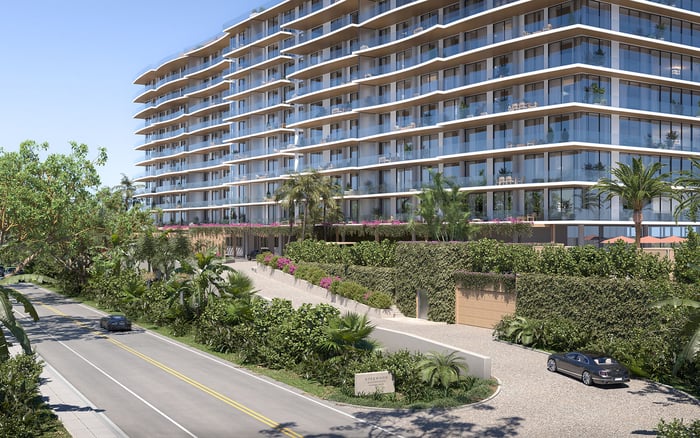
Cipriani places owners in Brickell and surrounds each residence with a broad dining, wellness, and leisure ecosystem. Rosewood is positioned as an exclusively residential oceanfront property in Hillsboro Beach rather than a hotel condominium. Both belong in the broader conversation around branded residences, but their distinct operating emphases merit close underwriting.
The best service comparison separates what is promised, what is staffed, and what is billed.
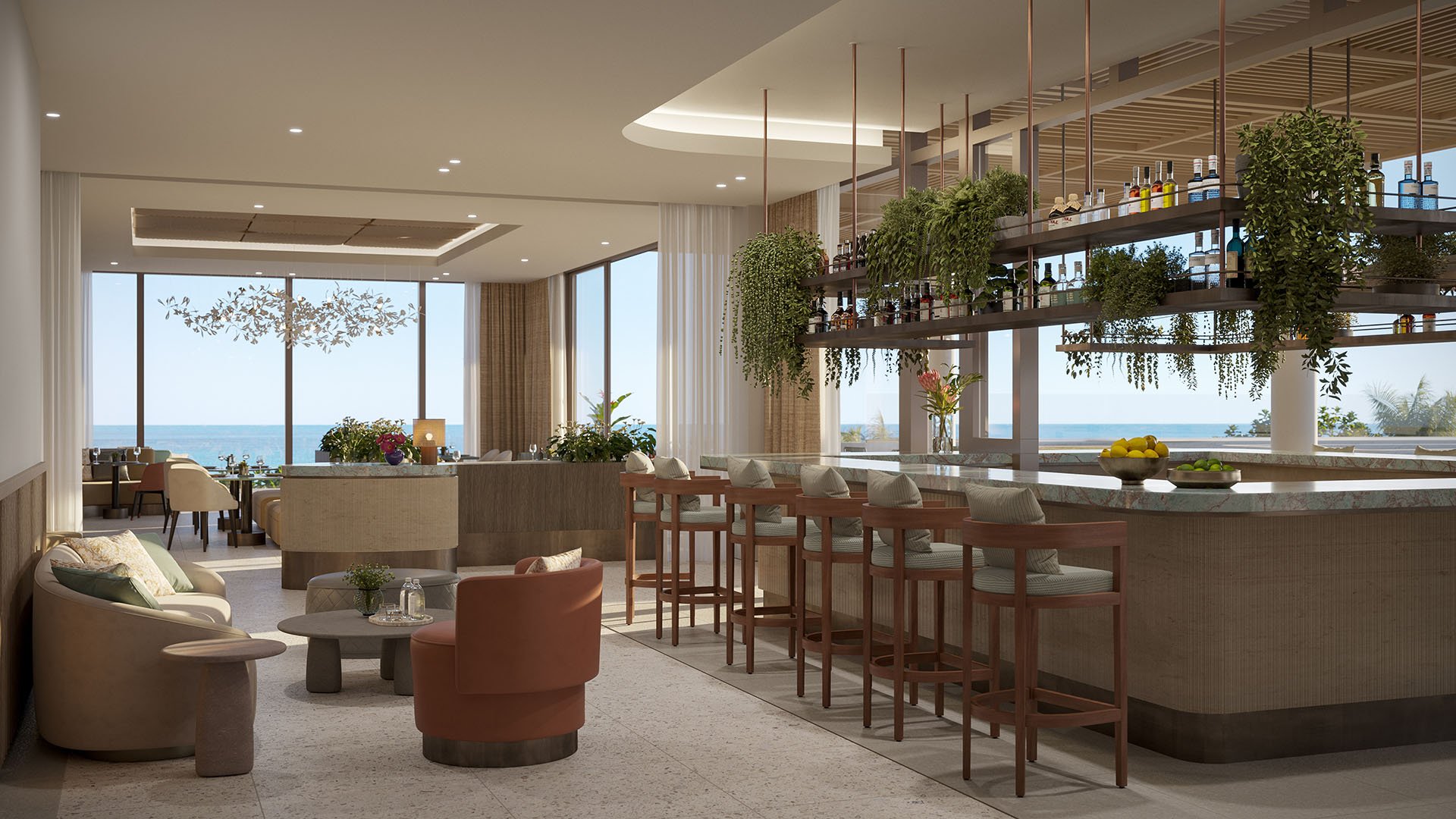
Cipriani’s program makes hospitality a daily layer of ownership. The planned offering includes a private restaurant, poolside food and beverage, private dining rooms, and in-home dining supported by 24-hour catering. Service leadership includes a Director of Residences and a Cipriani Residential Concierge, while the broader model calls for 24-hour, Cipriani-trained staff providing butler-style service.
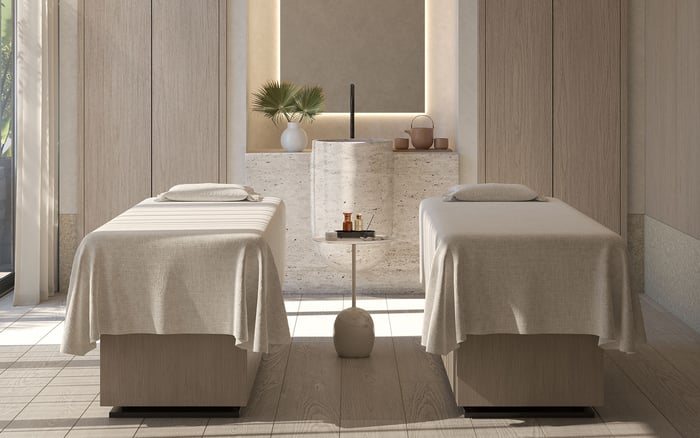
The physical amenity program is correspondingly extensive: two pools, a holistic spa, a four-level wellness center, pickleball, golf simulation, a screening room, children’s facilities, a private salon, and a dog park. Owners can also request in-residence spa treatments, personal training, plant care, pet grooming and walking, and away-from-home maintenance. An intelligent residential interface is intended to manage concierge, valet, and security requests.
Rosewood defines its personnel structure more explicitly by role. Its service roster includes residential butlers, a dedicated lifestyle concierge, and an on-site general manager, along with 24-hour security and valet, a house car, and in-residence dining and catering through the on-site restaurant. Home-management options extend to cleaning, maintenance, floral arrangements, and pantry stocking.
The distinction is subtle but important. Cipriani foregrounds the breadth of an integrated hospitality world. Rosewood emphasizes recognizable residential roles and identifies at least some à-la-carte services as separately charged third-party offerings. Neither approach is inherently superior. The right fit depends on how frequently an owner expects to dine, entertain, travel, use wellness services, or delegate household tasks.
Neither property discloses a numerical staff-to-residence ratio. Named positions and round-the-clock functions signal operating intent, but they do not establish how many employees will be scheduled, how coverage changes overnight, or whether restaurant, spa, and third-party personnel count toward a staffing total.
A buyer should therefore request the proposed staffing plan by department and shift. The most useful questions are practical: Is a residential butler assigned, pooled, or available on request? Does concierge coverage remain dedicated during peak arrival periods? Are valet and security employees shared with other operations? Who handles in-residence dining after the restaurant’s primary service hours? What response standards apply when the building is fully occupied?
The same discipline applies when evaluating another Brickell service proposition, such as St. Regis® Residences Brickell. Brand language can establish an expectation, but the operating budget and staffing schedule reveal how consistently that expectation can be delivered.
Neither project provides a comprehensive gratuity schedule in the information considered here. Several issues should therefore be clarified in writing: automatic restaurant service charges, in-residence dining fees, valet and butler tipping conventions, spa gratuities, holiday staff funds, and whether third-party providers present their own suggested gratuities.
The distinction between complimentary access and complimentary service also matters. Cipriani plans 24-hour complimentary valet and optional self-parking in assigned spaces, while its house limousine within a three-mile radius is identified as an additional-charge service. Rosewood includes valet and a house car in its service roster, but buyers should confirm reservation rules, usage charges, and tipping guidance.
A polished gratuity policy protects both owner and staff. It prevents duplicated tips when a service charge is already embedded, gives seasonal residents a fair framework for holiday recognition, and makes household budgeting more predictable. Buyers should request one consolidated policy covering building employees, restaurant personnel, and outside vendors.
Cipriani maintenance estimates in the article information vary materially, ranging from roughly $1.25 per square foot monthly to approximately $1.50 to $2.25 per square foot monthly. The latter range translates to about $18 to $27 per square foot annually, before separately billed services, property taxes, unit insurance, and reserve-related charges.
Rosewood’s estimated HOA exceeds $1.20 per square foot monthly, equivalent to more than $14.40 per square foot annually. The indicated basics include building insurance, repairs, and common-ground maintenance. Its use of third parties for additional-fee à-la-carte services suggests that some household support can shift from fixed common cost to owner-specific consumption.
These estimates are provisional and not automatically comparable. One figure may include insurance, parking, utilities, or reserves that another excludes. Unit size can also make an apparently modest per-square-foot difference consequential over a full year.
For a credible ownership model, create separate lines for the base assessment, reserves, property tax, unit insurance, dining, spa and wellness, home management, transportation, gratuities, and possible special assessments. Then run low-, expected-, and high-use scenarios. A frequent host who relies on catering, housekeeping, and valet may experience the economics differently from a seasonal owner who values availability but uses few services.
Before estimating annual carry, request the proposed operating budget, staffing plan, service-charge policy, and vendor fee schedule. Ask which services are included, subsidized, charged at cost, or billed with administrative fees. Confirm whether unused services affect any portion of the assessment, and determine how future wage, insurance, or reserve changes can flow through to owners.
Buyers comparing coastal Broward offerings, including Four Seasons Hotel & Private Residences Fort Lauderdale, should apply the same framework even when the service model differs. The objective is not to find the lowest assessment. It is to determine whether fixed and variable costs align with the owner’s actual pattern of living.
The most durable lesson is simple: Cipriani Residences Brickell may appeal to buyers who want an expansive hospitality ecosystem woven into daily life, while Rosewood Residences Hillsboro Beach may suit those drawn to an exclusively residential oceanfront setting, clearly named service roles, and some usage-based options. The final decision should rest on written operating details, not assumptions attached to either name.
For discreet guidance on comparing South Florida’s most service-intensive residences, connect with MILLION.
If branded residences are on your mind — as a home or as an allocation — we would be glad to share what we are seeing, privately.
Begin a quiet conversationCipriani emphasizes an expansive program spanning private dining, 24-hour catering, wellness, recreation, and household services.
No. It is positioned as an oceanfront, exclusively residential Rosewood-branded development.
Neither property discloses a numerical staff-to-residence ratio.
The identified leadership includes a Director of Residences and a Cipriani Residential Concierge, alongside a 24-hour butler-style service model.
Rosewood names residential butlers, a dedicated lifestyle concierge, and an on-site general manager.
A comprehensive gratuity schedule is not specified for either property. Buyers should request written policies for dining, valet, butler, spa, and holiday tipping.
The article information includes estimates ranging from about $1.25 to $2.25 per square foot monthly, with the figures remaining provisional.
The article information indicates more than $1.20 per square foot monthly, or more than $14.40 per square foot annually.
At least some à-la-carte services are described as third-party offerings with additional fees, shifting those costs toward actual use.
Buyers should obtain the proposed operating budget, staffing plan, service-charge policy, and vendor fee schedule.