For Seattle buyers pursuing a Miami Design District residence, the choice between cash and portfolio financing should be made property by property. Liquidity, underwriting readiness, building eligibility, ownership horizon and closing certainty all shape the stronger approach.
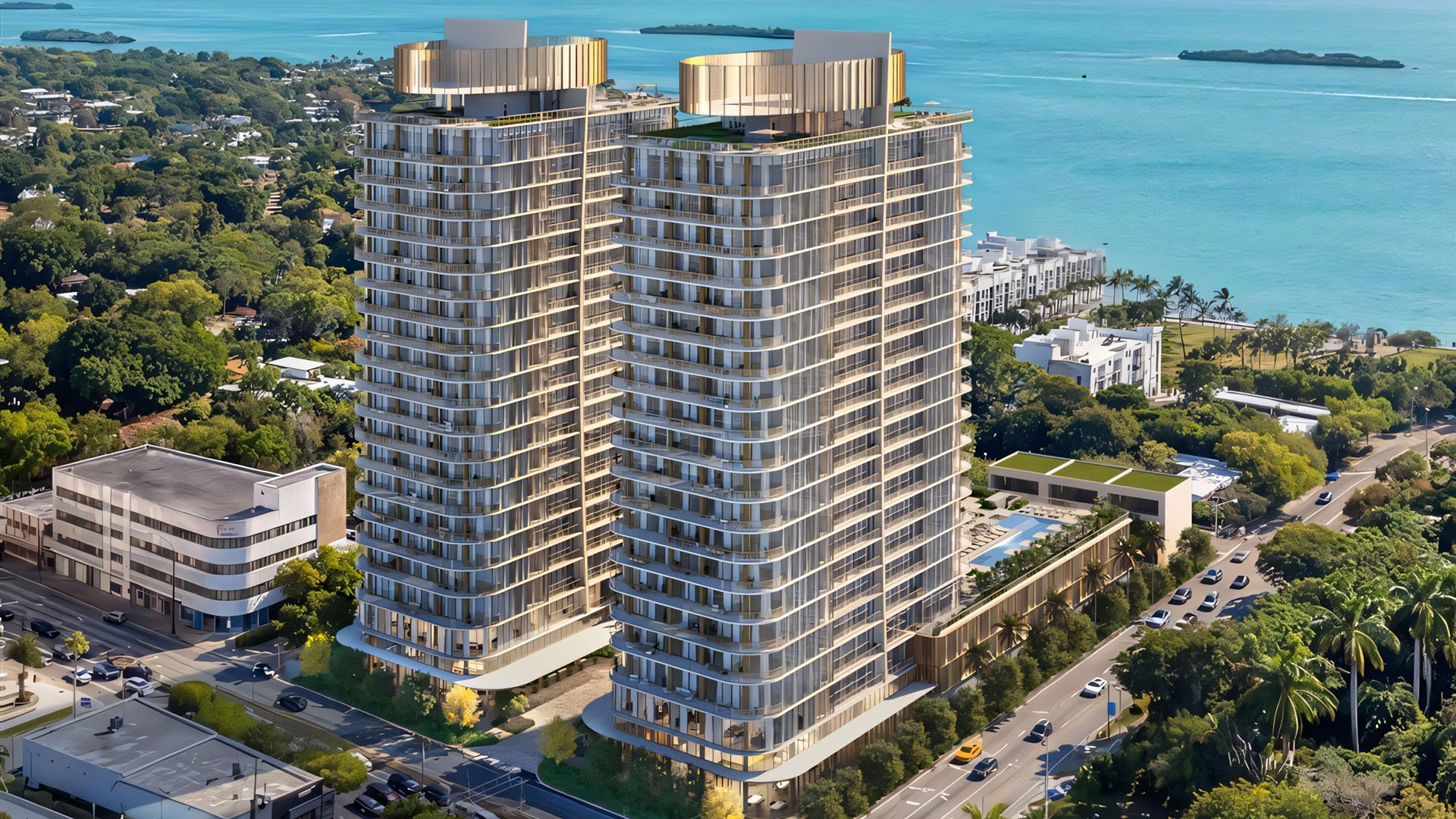
For a Seattle buyer considering a residence in the Miami Design District, cash and portfolio financing are not competing philosophies. They are distinct tools for managing liquidity, execution and long-term flexibility. The right choice depends less on a generalized view of debt than on the specific residence, contract, ownership structure and intended use.
A cash offer may create a cleaner path by removing financing-related uncertainty. Yet simplicity at closing can lead to concentration afterward, particularly when the same capital supports a business, market portfolio or future real-estate purchases. Portfolio financing can preserve liquidity, but it introduces underwriting, collateral monitoring and coordination among advisers.
The decision should be made before negotiations begin, with an alternative route preserved if circumstances change. The most credible strategy is one that can close on the agreed terms without compromising the buyer's broader balance sheet.
Cash primarily changes certainty. Without the need for loan approval, a buyer can evaluate the contract around price, diligence, timing and title rather than lender conditions. That can be useful when the seller values a straightforward closing or the buyer wants tighter control over the process.
The strategic cost is opportunity cost. Funds committed to a residence are no longer immediately available for investment needs, portfolio rebalancing or another acquisition. A buyer should model the post-closing position-including reserves for furnishing, carrying costs and discretionary improvements-rather than treat the purchase price as the complete liquidity requirement.
Cash does not eliminate diligence. Legal review, building documentation, insurance considerations, title work and the residence's physical condition remain material. Speed should be a negotiated advantage, not a reason to reduce scrutiny.
Portfolio financing may allow a buyer to acquire the residence while retaining selected financial assets. Its appeal is less about maximizing leverage than controlling where capital remains deployed. The structure should be assessed alongside borrowing terms, collateral requirements, liquidity covenants and the possibility that market movement may affect the relationship between the loan and pledged assets.
Execution requires preparation. The buyer's private bank, wealth adviser, real-estate counsel and closing team should align on the proposed ownership entity, documentation path and funding sequence before a contract creates urgency. A strong approval profile is helpful, but it does not replace confirmation that the particular property and transaction are acceptable to the lender.
Seattle buyers should also establish a communication protocol that accounts for cross-country scheduling. A single decision-maker, shared document checklist and defined authorization process can prevent avoidable friction when signatures or funds are time-sensitive.
A Design District search may include completed residences, emerging inventory and properties in adjacent luxury corridors. Each deserves a separate capital plan. A buyer comparing Kempinski Residences Miami Design District with Miami Tropic Residences should review the governing purchase materials for each opportunity rather than assume identical deposit, closing or financing conditions.
New-construction purchases can require capital planning across multiple contractual stages, while resale transactions may place greater emphasis on current building documentation, unit condition and a defined closing window. These category-level distinctions do not replace a review of the actual contract and property file.
The comparison set can also clarify whether proximity to the Design District or a different residential experience matters more. Villa Miami can be considered within a broader Edgewater search, while 619 Residences by Foster + Partners + Nobu Hospitality can serve as a Brickell reference point. The purpose is not to dilute the original location brief, but to test which combination of residence, access and capital commitment best fits the buyer.
Before touring seriously, establish both a cash ceiling and a financing ceiling. The cash ceiling should preserve an agreed reserve after closing. The financing ceiling should account for the residence and the pledged-asset relationship, including scenarios in which borrowing costs rise or collateral values move unfavorably.
Next, define which terms may be adjusted. Price is only one variable. Deposit structure, diligence period, closing date and the presence of a financing contingency can influence the seller's view of the offer. Counsel should shape these provisions for the specific transaction.
Finally, prepare proof of funds and financing materials in parallel. Even a buyer who prefers portfolio financing may decide that cash is more effective in a particular negotiation. Conversely, a planned cash purchase may be financed later, but only after the buyer's legal, tax and financial advisers confirm that the subsequent structure is appropriate.
A primary residence, pied-à-terre and second home can lead to different liquidity priorities. Frequency of use, anticipated hold period, estate planning and the purchaser's identity should be discussed before the contract is signed. An ownership entity that appears efficient for one purpose may complicate financing or personal planning for another.
The final decision should answer three questions: Can the buyer close with certainty, remain comfortably liquid afterward and hold the property through a less favorable market environment? If cash answers all three without strain, its simplicity may be compelling. If portfolio financing preserves strategic flexibility without creating fragile collateral exposure, the additional process may be worthwhile.
Is cash always stronger for a Miami Design District purchase? No. Cash can improve certainty, but the strongest offer depends on the seller's priorities and the buyer's liquidity plan.
What is the principal benefit of portfolio financing? It may preserve liquidity and keep selected assets invested, subject to the lender's terms and collateral requirements.
Can a buyer prepare both cash and financed approaches? Yes. Parallel preparation can preserve flexibility, provided counsel and financial advisers review each route.
Does cash remove the need for property diligence? No. Title, contract, building and physical reviews remain important regardless of the funding method.
Should financing be discussed before property tours? Ideally, yes. Early planning helps define a realistic acquisition range and documentation timeline.
Can every condominium work with the same lender structure? Not necessarily. Property eligibility and underwriting should be confirmed for the specific residence.
How should a Seattle buyer manage cross-country execution? Establish a clear signing protocol, designate decision-makers and coordinate funding responsibilities before deadlines arise.
Does new construction require a different cash plan? It can. Buyers should map contractual deposits and future funding needs from the governing purchase documents.
What reserve should remain after closing? The appropriate amount is personal and should reflect carrying costs, planned work and broader financial commitments.
Who should review the final structure? Real-estate counsel, tax advisers and the buyer's financial team should assess the transaction before commitments become binding.
For a tailored shortlist and next-step guidance, connect with MILLION.
If branded residences are on your mind — as a home or as an allocation — we would be glad to share what we are seeing, privately.
Begin a quiet conversation