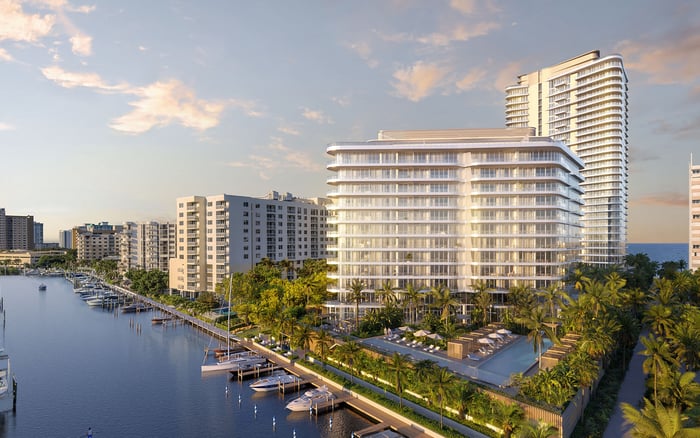
A trust or LLC purchase at W Pompano Beach calls for more than title planning. Buyers should align ownership documents, association responsibilities, envelope maintenance budgets, and the right to pursue water-intrusion claims before closing.
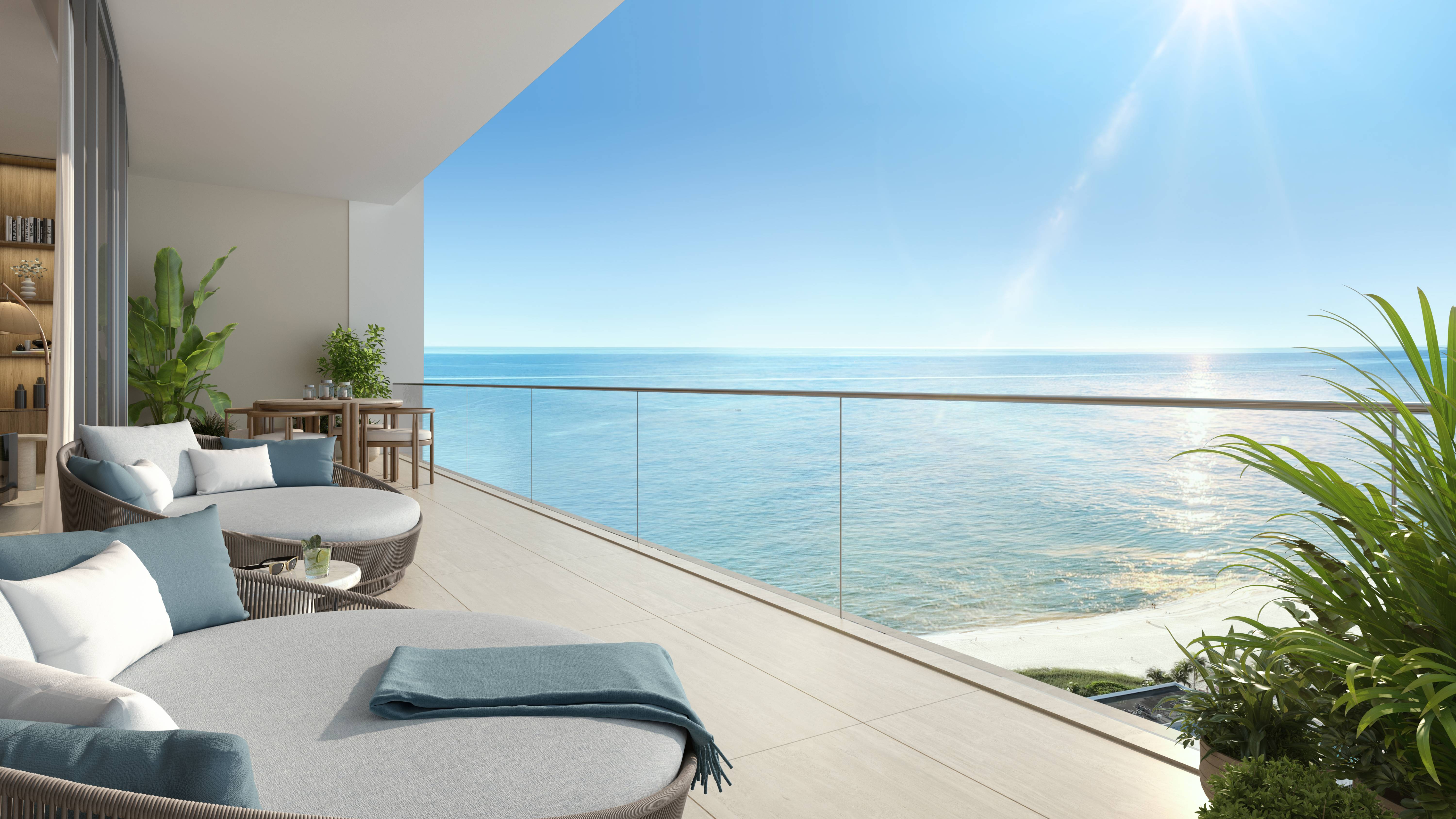
At W Pompano Beach Hotel & Residences, marketed at 20 North Ocean Boulevard in Pompano Beach, the ownership conversation should extend beyond selecting a residence and arranging title. For a purchaser considering a trust or LLC, the consequential questions are who maintains the exterior, who funds its renewal, and who may pursue a claim when water enters.
The ownership vehicle and the building envelope warrant parallel diligence. A carefully drafted acquisition structure is no substitute for understanding façade joints, balcony membranes, drainage, or insurance terms. The objective is a closing file that aligns legal authority, maintenance obligations, and financial planning.
For a Broward buyer, that discipline preserves the appeal of a coastal address without mistaking hospitality branding for a promise of technical performance.
The project’s ownership structure includes a residential association and a hotel condominium association, both belonging to a fee-bearing master association. Before discussing waterproofing budgets, establish which condominium interest is being purchased and how it participates in that structure. Do not assume every unit bears the same obligations or that every exterior component falls within one association’s remit.
The advertised 580-to-1,860-square-foot range applies to fully furnished, fully finished hotel suites-not to all residential offerings. That distinction matters when organizing the purchase file: identify the actual unit category and its governing documents rather than relying on a project-wide description.
Ask counsel to explain the applicable association fees, maintenance allocations, and master-association obligations together. A single headline carrying-cost figure is not enough to evaluate future building-envelope expenditure.
Have closing counsel confirm whether the proposed ownership structure is permitted and identify the required entity or trustee documentation. Review the purchaser’s legal name, signing authority, title documentation, and insurance arrangements as a coordinated set.
For a trust, ask who must execute the documents and what evidence of trustee authority is required. For an LLC, ask what establishes the authorized signatory’s power to bind the company. Neither answer should be inferred from practices at another condominium.
Warranty rights deserve a separate review. Counsel should determine who receives the warranties, who may assert claims, and whether an assignment or later ownership change requires additional documentation. Ask the insurance adviser to confirm the appropriate named insured and any other required insured parties. Entity ownership alone does not resolve a coverage question.
Florida law generally places common-element maintenance with the association, except where the declaration assigns limited-common-element maintenance to unit owners. A balcony’s limited-common-element designation does not, by itself, make its owner responsible for every layer or component.
Request a written responsibility matrix covering façade joints, balcony slabs, waterproofing membranes, coatings, tile, railings, drains, and door thresholds. For each component, identify the responsible party among the owner, residential association, hotel condominium association, and master association. Distinguish inspection, routine maintenance, repair, replacement, and payment obligations.
That same document-first approach is useful when comparing The Ritz-Carlton Residences® Pompano Beach. Compare each property’s actual allocations rather than assuming similar branding means similar obligations.
The practical goal is clarity where components meet. A balcony surface, the membrane beneath it, and the adjacent door threshold should not be treated as a single maintenance item without checking the governing documents.
Typical polyurethane sealant service life is approximately 7-10 years; silicone is approximately 15-20 years. These general ranges are planning context, not W Pompano replacement dates, warranties, or guaranteed maintenance-free intervals.
Design life and actual service life are different concepts. Buyers should obtain the specified sealant products, installation dates when available, manufacturer maintenance requirements, and an engineer’s condition assessment. Ask how inspections will inform repair or replacement decisions rather than accepting a calendar unsupported by the installed system.
The financial question follows the technical one: where does the anticipated work appear in the budget or reserve planning? A longer stated product lifespan does not eliminate the need for inspections or a funded renewal strategy.
Balcony diligence should address slope, drainage, membranes, and junctions with doors and exterior walls. Positive slope toward drainage helps reduce water accumulation at doors and floor-to-ceiling windows. Request the relevant design details and an appropriately qualified professional’s assessment rather than judging performance from the finished surface alone.
Wind-driven-rain resistance depends on the full building envelope, including exterior walls, coverings, soffits, and openings. Most exterior wall coverings permit some water beyond their surfaces, particularly in wind-driven rain; water-resistive barriers and drainage layers therefore matter.
Sliding-glass-door tracks also warrant attention as potential points of wind-driven-rain intrusion. That general concern does not establish testing results or defects at this project. Request applicable water-testing records, acceptance criteria, and documentation of remediation for any failed tests.
Structural-integrity reserve-study requirements apply to qualifying residential condominium buildings with three or more habitable stories. Covered components include waterproofing and exterior painting, windows and exterior doors, roofs, and structural components. Buyers should have counsel confirm the applicable requirements and review the relevant study and budget.
Qualifying associations face statutory funding obligations. Do not assume operating funds will absorb future waterproofing work. Separately, milestone inspections are age-based and recurring for qualifying buildings. Determining applicability requires checking building age and relevant local requirements, not drawing conclusions from marketing language.
When weighing Waldorf Astoria Residences Pompano Beach alongside W, apply the same reserve and maintenance questions. Compare documented obligations rather than presuming equivalence between branded properties.
Request warranties, exclusions, available water-testing results, failed-test remediation records, punch lists, and repair logs. Have counsel distinguish a potential defect claim from a maintenance failure, drainage problem, or storm-damage claim before addressing responsibility. Warranty rights and insurance coverage require separate review.
Preserve governing documents, budgets, reserve studies, insurance summaries, warranties, and inspection records in an accessible closing archive. If water intrusion occurs, retain dated evidence and correspondence. Ask advisers to identify applicable notice requirements and the party authorized to act for the owner.
The decision standard is straightforward: understand what the trust or LLC will own, what each party must maintain, how renewal will be funded, and which documents govern a claim. These are diligence questions, not assertions of leaks, completed repairs, or a project-specific maintenance calendar.
For a considered approach to your next coastal acquisition, explore MILLION.
If branded residences are on your mind — as a home or as an allocation — we would be glad to share what we are seeing, privately.
Begin a quiet conversationHave closing counsel confirm that the proposed structure is permitted and identify the required documentation. Project-specific eligibility should not be assumed.
Counsel should coordinate the legal purchaser name, signing authority, and title documents. An insurance adviser should confirm the appropriate named insured and any other required insured parties.
The disclosed structure includes a residential association, a hotel condominium association, and a master association. The two condominium associations belong to the fee-bearing master association.
No. The advertised 580-to-1,860-square-foot range applies to fully furnished, fully finished hotel suites, not all residential offerings.
No. The declaration’s allocation must be checked; the designation alone does not establish owner maintenance responsibility.
General planning ranges are approximately 7–10 years for polyurethane and 15–20 years for silicone. These are not W Pompano replacement schedules or performance guarantees.
Review the membrane, slope, drainage, and connections to doors and exterior walls. Positive slope toward drainage helps reduce water accumulation near openings.
No. Exterior walls, coverings, soffits, openings, water-resistive barriers, and drainage layers all form part of the envelope review.
Qualifying residential condominium buildings with three or more habitable stories are subject to structural-integrity reserve-study requirements. Covered components include waterproofing and other major envelope elements, making the applicable study and budget important to ownership planning.
The ownership vehicle alone does not settle claim authority or coverage. Counsel should review the warranties and governing documents, while the insurance adviser reviews policy terms and insured parties.