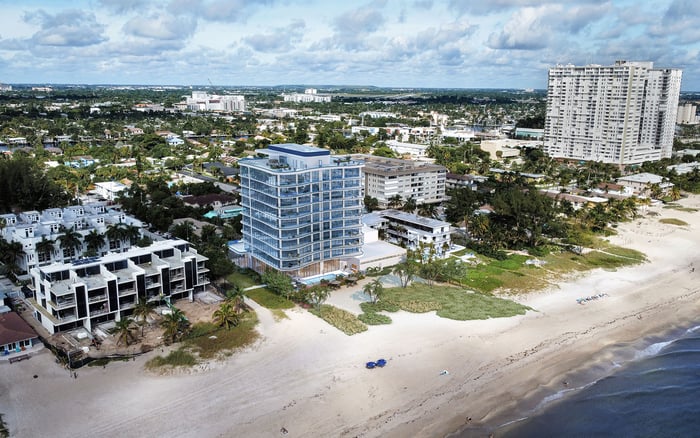
For buyers considering trust or LLC ownership at Ocean 580 Pompano Beach, a thoughtful vacancy plan should connect humidity control, authorized local access, remote monitoring, and professional review before departure.
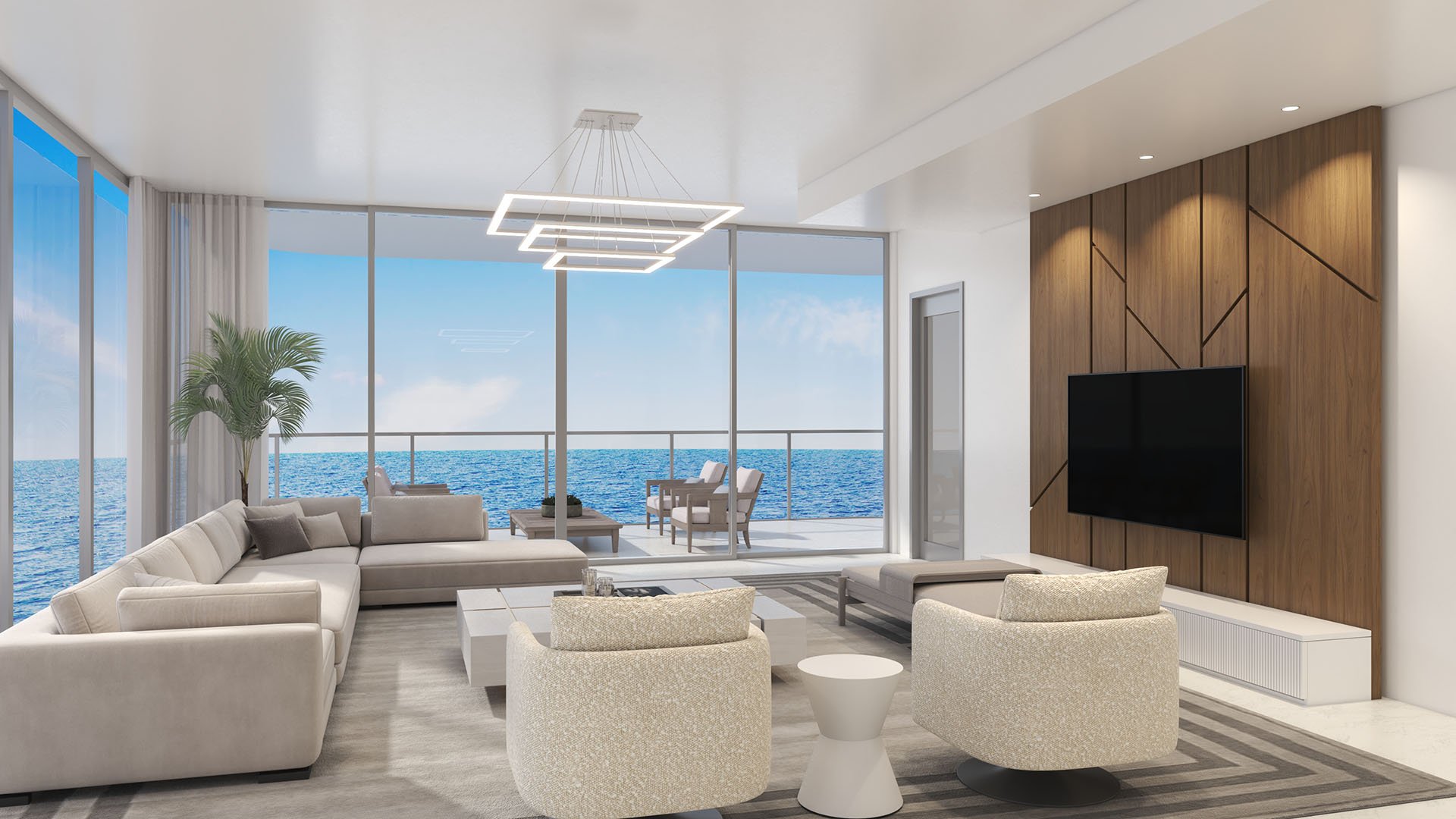
For a buyer considering Ocean 580 Pompano Beach through a trust or LLC, the ownership decision and the vacancy plan belong in the same conversation. One determines how the residence will be held; the other, how it will be cared for when the owner is elsewhere. Neither substitutes for the other.
In Pompano Beach, preserving an interior requires thinking beyond its presentation on arrival. Excess humidity can damage wood flooring, cabinetry, and furnishings before visible mold becomes a concern. A sound plan combines measured humidity, maintained equipment, and someone authorized to respond locally.
The objective is not simply a thermostat setting. It is a repeatable operating routine that protects the residence between visits and leaves no ambiguity about responsibility.
Before selecting a trust or LLC, ask your attorney to review whether the proposed ownership structure is permitted under the applicable purchase and association documents. Confirm the approval process and required documentation, if any, with the appropriate building representatives. These are transaction-specific questions, not assumptions about Ocean 580.
Separate ownership authority from day-to-day access. As a practical planning step, identify who may arrange maintenance, authorize urgent work, and coordinate entry during an absence. Ask how the building handles access for your designated local representative and vendors. A name in an ownership document is not a complete maintenance plan.
Have your insurance adviser review the proposed structure alongside the intended occupancy pattern. Ask about policy naming, extended absences, water damage, and mold-related terms rather than assuming coverage. These are due-diligence recommendations, not statements of legal requirements or policy benefits.
For buyers comparing Broward residences, legal review and operational planning deserve separate attention, whatever address they ultimately select.
Indoor relative humidity should remain below 60%, with 30-50% an ideal range for reducing mold risk. Within that range, 40-50% RH is a practical operating target for a South Florida residence. These numbers describe moisture in the air, not how cool a room feels.
An away setting of 77°F is general guidance for condos and apartments with non-programmable thermostats. It is not an Ocean 580 specification, nor does it establish that any particular residence will remain sufficiently dry. Leave air conditioning operating during an extended absence rather than shutting it off, and verify the humidity it actually maintains.
Approximately 58% is another humidistat or dehumidifier setting used for seasonal vacancy. It is higher than the practical 40-50% target and offers no assurance that actual conditions will stay below 60%.
Ask a qualified HVAC professional to recommend settings for the residence and check their performance. A hygrometer provides an independent reading; an equipment set point alone is not verification.
Before departure, arrange an HVAC check that includes condensate-drain maintenance, and address leaks promptly. If dampness persists despite air conditioning, supplemental dehumidification may be necessary. Equipment selection should reflect the residence's actual conditions and applicable building procedures, not a generic shopping list.
For extended vacancy, a portable dehumidifier should drain directly into a suitable sink, tub, or shower rather than rely on a collection tank. Have the arrangement checked before leaving. The aim is continued moisture removal without depending on someone to empty a reservoir.
Leaving closet and cabinet doors open can improve circulation in enclosed spaces. During occupancy, venting moisture from cooking and showering outdoors also helps limit conditions that support mold growth. Confirm the ventilation arrangement with building or service personnel.
A buyer also considering Armani Casa Residences Pompano Beach can use the same equipment and maintenance questions during diligence without assuming the two properties share systems or rules.
Second-home ownership benefits from knowing what happens between visits, but monitoring should support action rather than become an end in itself. Begin with humidity measurement. When evaluating remote equipment, ask whether it can display readings away from the residence and notify the designated person when conditions warrant attention.
As a planning step, have your HVAC professional help select measurement locations and an alert strategy suited to the interior. There is no universal sensor count or alert threshold to apply here. A single remote reading is not proof that every closet or room has the same conditions.
Before departure, test the notification chain and ask how the selected system signals lost connectivity. Decide who receives an alert, who follows up, and who can arrange entry if you are unavailable.
A remote dashboard should complement agreed local checks. It cannot repair a leak, inspect a drain, or dry a wet cabinet. Keep monitoring credentials and contact details accessible to the people you have authorized.
Drying wet materials within 24-48 hours after a leak or other water intrusion can help prevent mold growth. Treat that window as a reason to act promptly-not permission to postpone an inspection or a guarantee that damage will be avoided.
Prepare a written response sequence with your local representative: notify the appropriate building contact, arrange assessment, address the moisture source, and coordinate drying with qualified help. Discuss authorization for urgent work before travel, not during an incident.
For a comparison purchase at The Ritz-Carlton Residences® Pompano Beach, ask the same access and response questions independently. A project name is no substitute for confirming what assistance is available to an absent owner.
Keep service records and monitoring information for maintenance continuity. Ask your insurance adviser what documentation the policy calls for; do not assume sensor logs establish coverage or satisfy a claim.
Before the first extended absence, consolidate the plan into a short brief: approved temperature and humidity settings, equipment instructions, local contacts, access arrangements, inspection expectations, and escalation responsibilities. Give each authorized person the relevant portions and confirm that they understand their role.
The most useful final check is practical. Verify humidity readings, confirm drainage arrangements, test notifications, and make sure someone can act if you cannot be reached. Revisit the plan when equipment, vendors, or occupancy patterns change.
For a trust or LLC buyer, this is the operational counterpart to careful transaction planning. The ownership documents deserve precision; so does the care of the residence after the door closes.
For a considered approach to your next South Florida residence, explore MILLION.
If branded residences are on your mind — as a home or as an allocation — we would be glad to share what we are seeing, privately.
Begin a quiet conversationHave your attorney confirm eligibility under the applicable purchase and association documents before selecting the structure. Ask building representatives about approvals and documentation.
A practical South Florida operating target is 40–50% relative humidity. Keep indoor humidity below 60% and verify actual readings rather than relying only on equipment settings.
No temperature setting alone guarantees mold prevention. The 77°F away setting is general guidance for condos and apartments with non-programmable thermostats, not an Ocean 580 specification.
Leave air conditioning operating during an extended absence rather than shutting it off. Have a qualified HVAC professional recommend settings and verify humidity control.
No; approximately 58% is higher than the practical 40–50% target and does not guarantee actual humidity will remain below 60%. Verify readings and have an HVAC professional recommend settings for the residence.
Supplemental dehumidification may be necessary when persistent dampness remains despite air conditioning. Have equipment and drainage arrangements checked before an extended absence.
For extended vacancy, use direct drainage into a suitable sink, tub, or shower instead of relying on a collection tank. Confirm that the arrangement is appropriate for the residence.
There is no universal sensor count established for this plan. Ask your HVAC professional to recommend measurement locations and an alert strategy for the interior.
Drying wet materials within 24–48 hours can help prevent mold growth. Arrange prompt assessment and address the moisture source rather than waiting for the window to pass.
Do not assume coverage from the ownership structure. Ask your insurance adviser to review policy naming, extended absences, water damage, and mold-related terms.