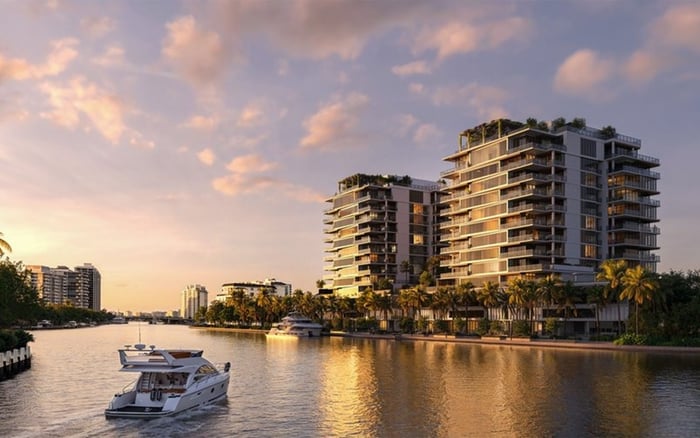
A workable beach residence must satisfy two different daily routines. Start with Fort Lauderdale and Boca Raton, test the journeys that matter, and examine the building’s financial and insurance obligations before committing.
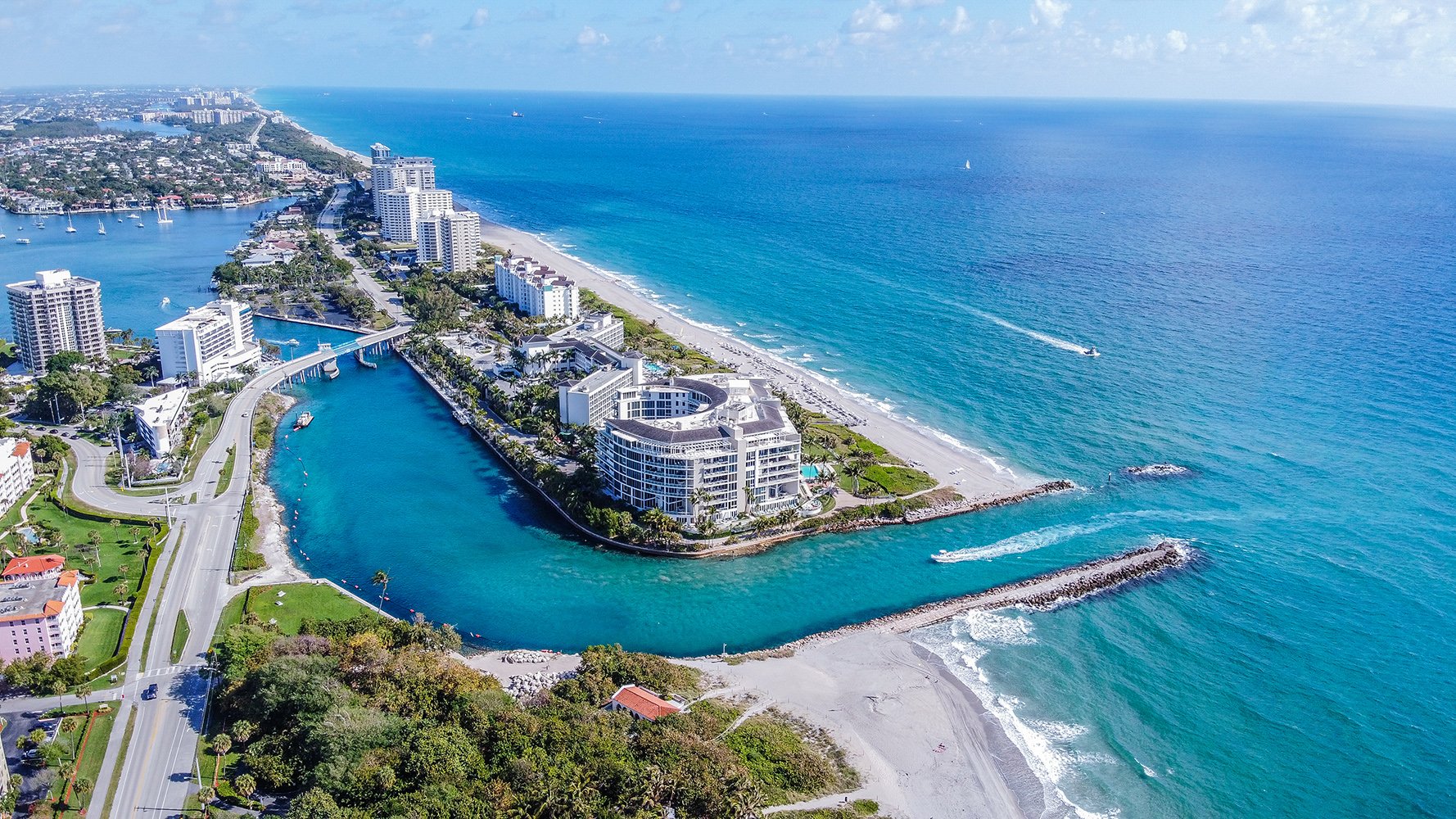
A beach residence can be an exquisite purchase yet an imperfect shared home. One partner imagines unhurried mornings beside the Atlantic; the other wants somewhere to walk after dinner, an easy grocery run, and a reason to stay beyond the weekend. The task is not to persuade the city-oriented partner to embrace isolation. It is to choose a base where neither person’s preferred routine becomes a special excursion.
The most useful starting question is not which residence has the finest view, but what each person would do on an ordinary Tuesday. Identify the routines that make a place feel effortless, then assess the address against them. A beautiful interior cannot compensate for a location that repeatedly disappoints one member of the household.
Before touring, each partner should write a short list of nonnegotiables. For the beach enthusiast, that might mean actual beach access rather than a distant water view. For the city enthusiast, it might mean walking to dinner, handling errands independently, or having somewhere appealing to go without planning an entire evening around it.
Separate those requirements from preferences. An expansive terrace may be desirable, but it should not become a substitute for the ability to leave the building and enjoy the surroundings. Equally, a lively dining district should not excuse a beach journey that the beach-oriented partner will rarely undertake.
Create a shared scorecard covering beach access, dining, groceries, airport travel, privacy, and ownership obligations. Each person should score independently before comparing notes. The aim is not mathematical precision; it is to expose disagreement before a compelling residence obscures it.
Fort Lauderdale is a sensible starting hypothesis for this compromise. Its beachfront setting sits within a city that also offers the restaurants, shopping, nightlife, and walkability of the Las Olas corridor. Access to Fort Lauderdale-Hollywood International Airport is another consideration for buyers planning frequent visits rather than a purely seasonal retreat.
Those attributes do not mean every Fort Lauderdale address delivers the same experience. A beach-focused residence and a city-oriented address may place very different demands on the household. Test the actual relationship between the front door, the sand, and the places you expect to use regularly.
If Andare Residences Fort Lauderdale enters your shortlist, use that specific address to rehearse the routines on your scorecard. The question is not whether Fort Lauderdale offers an appealing combination in principle, but whether the individual property delivers your version of it.
Apply the same discipline when considering Four Seasons Hotel & Private Residences Fort Lauderdale. Evaluate the residence and the journeys from it together. Do not let a familiar name settle questions of convenience, privacy, or suitability.
Not every city-oriented partner is seeking nightlife. Some want an established residential setting, appealing activities, and a comfortable rhythm outside the home. Boca Raton combines beaches, golf, and established residential communities, making it a useful alternative when those priorities matter more than a nightlife-centered coastal experience.
For households that travel privately, Boca Raton Airport is another relevant consideration because it serves private aviation. That belongs in the comparison, but it does not establish a particular property’s transfer time or convenience. Rehearse the journey you would actually make.
A buyer considering Alina Residences Boca Raton should use the same shared scorecard rather than assume that a broad description of the city answers questions about a specific address. When comparing Glass House Boca Raton, likewise establish what beach access and everyday outings would entail. Neither a project name nor a city label establishes the experience of living there.
Visit during the periods when you expect to use the home. Walk the dining route, complete a grocery trip, and test the airport journey. Do not rely on an optimistic reading of a map or a single leisurely viewing. The purpose is to understand whether everyday journeys feel comfortable to both partners.
Be explicit about what beach access means. Ask where you would enter, how you would get there, and whether the journey still appeals when carrying what you normally bring. There is no universal block count that produces the right compromise.
Then spend some time apart during the visit. Can one partner enjoy the beach while the other pursues an independent afternoon? A workable shared base should support different preferences without constant negotiation over transportation or plans.
Water is the attraction, but flood exposure deserves its own assessment. Florida’s geography, frequent storms, and proximity to water create exposure inland as well as along the coast. Begin coastal-condominium due diligence with the property’s flood-zone designation and available building-elevation information.
High-risk flood areas generally have at least a 1% annual chance of flooding. Federally regulated lenders generally require flood insurance for mortgaged properties in designated high-risk areas. An address outside those areas is not free of flood exposure, and a lender may still require coverage.
Standard homeowners insurance does not cover flood damage. Separate flood insurance is available to condominium unit owners, so discuss the property and relevant coverage with an insurance professional before committing. Treat the flood designation as a starting point for questions, not a complete verdict on the purchase.
For a condominium, examine the association as carefully as the residence. Review reserves, inspection documentation, and pending or potential special assessments. A home that appears to satisfy both partners can still be unsuitable if the building’s obligations exceed the household’s comfort level.
Distinguish the association’s master insurance policy from individual HO-6 coverage. Ask who is responsible for interiors, personal property, and applicable deductibles. Obtain current quotations and review coverage, exclusions, and deductibles before closing. Insurance is not an administrative detail to resolve afterward.
Finally, revisit the shared scorecard with those obligations included. The right purchase is not necessarily the most dramatic ocean view or the busiest surrounding district. It is the residence both partners will choose to return to, with routines they enjoy and ownership responsibilities they understand.
Explore a South Florida residence that suits both of your priorities with MILLION.
If branded residences are on your mind — as a home or as an allocation — we would be glad to share what we are seeing, privately.
Begin a quiet conversationFort Lauderdale and Las Olas offer a useful starting hypothesis because the city combines a beachfront setting with dining, shopping, nightlife, and walkability. Test each property rather than assuming those benefits are equally accessible from every address.
Each partner should identify nonnegotiables and independently evaluate beach access, dining, groceries, airport journeys, privacy, and ownership obligations. Compare the results before allowing a favorite residence to dominate the decision.
No. Confirm the actual beach entrance, route, and transportation required from the specific property.
Boca Raton merits consideration when beaches, golf, and established residential communities are more appealing than a nightlife-centered setting. Each address still needs its own practical evaluation.
Fort Lauderdale offers access to Fort Lauderdale–Hollywood International Airport, while Boca Raton Airport serves private aviation. Test the relevant journey from the property during likely usage periods.
Rehearse beach outings, dining walks, grocery trips, and airport journeys. Also check whether each partner can enjoy independent activities without constant transportation coordination.
No. Discuss separate flood coverage with an insurance professional; flood insurance is also available to condominium unit owners.
No. Flood exposure exists outside designated high-risk areas, and a lender may still require coverage.
They address different responsibilities, so buyers should clarify how the policies treat interiors, personal property, and deductibles. Review the actual policies and obtain current quotations before closing.
Review association reserves, inspection documentation, and pending or potential special assessments. Also examine the master insurance policy, individual coverage needs, flood-zone designation, and available building-elevation information.