A discreet framework for the Palm Beach Gardens side of a two-city household: evaluate connectivity, backup power, speech privacy, staff movement, and renovation permissions before choosing a residence or commissioning its office.
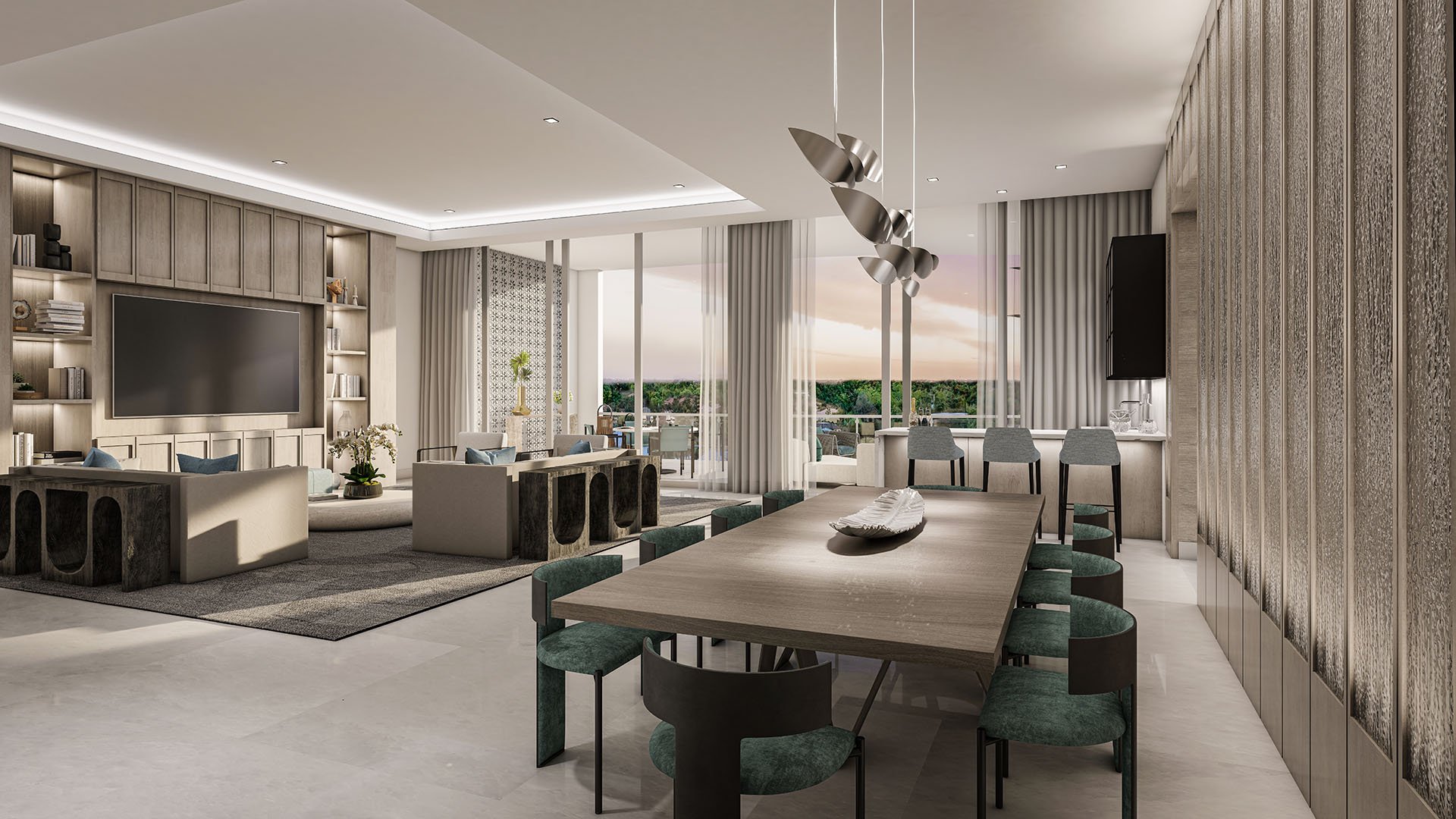
For a household dividing its time between San Francisco and Palm Beach Gardens, the Florida residence deserves a primary-office standard. The objective is not to duplicate interiors, but to make a confidential call, a demanding workday, and an ordinary household arrival feel equally considered. This guide focuses on selecting and preparing that South Florida home.
For the buyer, that means looking beyond the room labeled study. Before selecting a residence, define the work it must accommodate: simultaneous calls, confidential conversations, visiting colleagues, and household service during business hours. Then ask the design and technical teams to demonstrate how the home will support those activities.
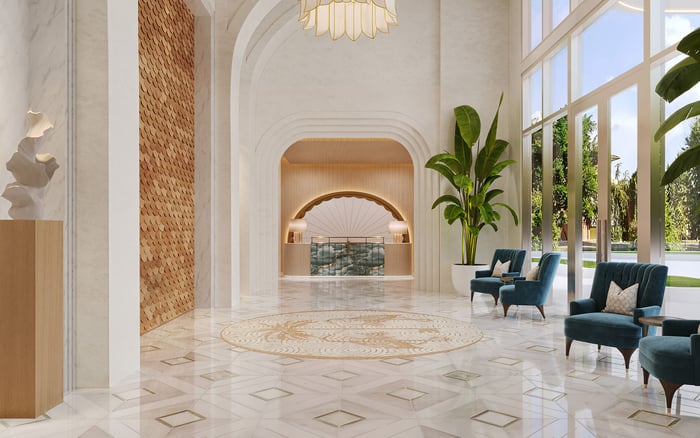
A residence under consideration at The Ritz-Carlton Residences® Palm Beach Gardens warrants the same evaluation. Treat the project name as a starting point for inquiry, not evidence of telecom diversity, backup capacity, or acoustic performance. Those questions require residence-specific answers.
Begin with a short written brief shared by the architect, technology adviser, and household manager. Identify which functions must continue during an interruption and which can wait. Distinguish the ability to finish a call from the broader ambition of keeping an entire residence operational.
Ask the team to map dependencies between the office, network equipment, electrical supply, cooling, and building access. Identify who can inspect or reset equipment when the owner is elsewhere. A useful brief assigns responsibility as carefully as it selects hardware.
Use your established working routine as the acceptance checklist, while allowing the Florida home's solutions to reflect its particular constraints. Request a demonstration before arrival and after significant system changes. The goal is a repeatable working environment, not identical equipment chosen without regard to the property.
Do not treat two service subscriptions as proof of physically diverse connectivity. Ask providers and the building's technical representatives to document entry routes, shared infrastructure, termination locations, and the proposed response to a service failure. Where route information cannot be confirmed, leave the item unresolved rather than calling the arrangement redundant.
For the Palm Beach Gardens residence, frame dedicated conduit, accessible termination points, equipment-room ventilation, and future cabling capacity as planning questions. Confirm which requirements apply to the proposed work rather than assuming a universal residential mandate.
If the search extends to West Palm Beach, apply the same discipline at Alba West Palm Beach. Request a residence-specific connectivity plan rather than extrapolating from neighborhood availability. Have the installer demonstrate the switch to backup service under agreed test conditions, including any manual steps required of the household.
Request a written schedule of equipment intended to remain operational during a power interruption. It should distinguish in-residence office equipment from the building systems on which the proposed setup depends. Do not take a general statement about generator availability as confirmation that a particular office outlet or communications device is supported.
Have the appropriate professionals establish the proposed load, expected operating duration, maintenance responsibilities, and testing procedure. Clarify access to equipment and the authority to arrange repairs during an owner's absence. Tie any duration estimate to the specified configuration rather than presenting it as an unconditional promise.
For Palm Beach Gardens, make hurricane readiness a separate operating plan, not a footnote to the technology specification. Define when work stops, who secures the residence, and how the household follows current emergency instructions. Continuity planning should never depend on remaining in an unsafe location.
Acoustic privacy deserves its own brief, distinct from the office's visual appeal. Ask an acoustical specialist to assess the proposed room, including doors, partitions, penetrations, and adjacent spaces. Set the intended level of conversational privacy before approving finishes or furniture.
During a viewing, request permission for a simple listening exercise: normal conversation inside the office, with a listener in adjoining areas. Treat this as an initial screen, not a substitute for professional assessment. In an unfinished residence, ask what can be documented now and what must be tested after completion.
The same questions apply to a broader regional comparison involving Mr. C Residences West Palm Beach. Do not infer speech privacy from a study label or an attractive floor plan. Define the performance sought and establish how the completed room will be evaluated.
Evaluate staff circulation through a sequence of ordinary tasks. Walk the proposed routes for groceries, laundry, maintenance, guest arrivals, and equipment servicing. Ask whether each task can occur during a confidential meeting without crossing the office or entering the camera's field of view.
Where a separate service route is proposed, confirm its configuration and permitted use. Where none exists, explore scheduling, storage placement, and a revised office location with the design team. These are options to evaluate, not assurances that every residence can accommodate them.
Include the people who will operate the home in this review. The plan should clarify where deliveries pause, where supplies are stored, and how technical assistance reaches equipment. Make daily movements explicit before purchase rather than leaving discretion to an improvised routine.
Before committing to an office renovation in Palm Beach Gardens, ask qualified professionals to confirm the applicable approval path and any building-specific permissions. Establish what can be altered before ordering equipment or commissioning custom work.
Do not presume a prefabricated privacy booth is permit-exempt. Confirm the proposed use, location, and approval requirements for the particular residence before ordering. Also ask the project team whether any unresolved building matters affect the planned work.
Keep a concise operating file for the Florida residence with equipment details, authorized contacts, testing records, and escalation instructions. Include jurisdiction-specific hurricane readiness guidance and a post-storm inspection plan that respects access restrictions and safety instructions.
Before departure, verify current local emergency and post-storm service contacts, and identify who will keep those details updated while the owner is away. Make the operating file accessible to the people authorized to act on the household's behalf.
The final purchase decision should distinguish demonstrated performance from proposed improvements. A beautiful office remains an invitation; documented systems, tested privacy, and considered household movement make it a credible place to work.
For a considered approach to selecting your South Florida residence, explore MILLION.
If branded residences are on your mind — as a home or as an allocation — we would be glad to share what we are seeing, privately.
Begin a quiet conversationDefine work patterns, privacy needs, essential equipment, and household service requirements. Assign responsibility for testing, maintenance, and assistance while the owner is away.
Do not treat them as proof of physically diverse routes. Request documentation of entry paths, shared infrastructure, and the proposed backup-service procedure.
Ask about dedicated conduit, accessible termination points, equipment-room ventilation, and future cabling capacity. Confirm the requirements applicable to the particular project.
Do not assume residence-specific coverage. Request a documented equipment schedule, supported loads, operating-duration assumptions, and testing responsibilities.
Use a viewing-stage listening exercise as an initial screen, then request professional assessment where confidentiality matters. Establish the desired performance and how it will be tested.
Walk delivery, laundry, maintenance, and guest routes while imagining a confidential meeting underway. Confirm any proposed separate route and its permitted use.
Ask qualified professionals to establish the applicable approval path and any building-specific permissions. Confirm what can be altered before ordering equipment or custom work.
Do not assume an exemption. Confirm the proposed use, location, and approval requirements for the particular residence before ordering.
Include equipment details, authorized contacts, testing records, and escalation instructions. Add hurricane readiness guidance and a post-storm inspection plan that respects safety instructions and access restrictions.
Verify current local emergency and post-storm service contacts before departure. Assign someone to keep those details updated and accessible while the owner is away.