A discreet guide for Buenos Aires buyers evaluating Fort Lauderdale and South Florida through the lens of true primary residence use.
For a Buenos Aires buyer, the defining South Florida question is rarely, “Which residence is the most beautiful?” It is, “Which home can genuinely become the center of life?” A primary-residence strategy changes the search. It shifts the conversation from occasional escape to daily systems: school routines, work cadence, entertaining, privacy, healthcare, family visits, household staff, banking, aviation, and the quiet choreography of living well.
Fort Lauderdale deserves particular attention within that framework. It can feel more residential than performative, more private than theatrical, and often better suited to buyers who want South Florida without placing every aspect of life inside Miami’s highest-visibility corridors. For families relocating from Buenos Aires, that distinction matters. The objective is not simply to acquire a trophy address. It is to establish a base that can support identity, routine, and continuity.
A disciplined search begins by separating desire from function. Oceanfront drama may be compelling, but primary use demands practical elegance: arrival experience, parking, storage, elevator privacy, building culture, pet policies, outdoor space, guest capacity, service access, and the ease of leaving for dinner without turning the evening into logistics. The right residence should make the move feel simpler, not more complicated.
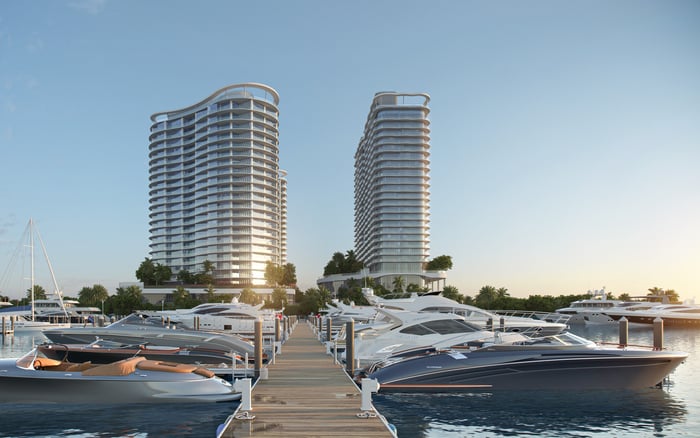
Fort Lauderdale appeals to a buyer who wants South Florida permanence with a softer daily tempo. Within Broward, the conversation can range from waterfront condominium living to branded residences, boutique buildings, and urban addresses closer to dining and cultural life. The point is not to rank one format over another. The point is to understand how each performs as a real home.
A buyer considering Riva Residenze Fort Lauderdale, for example, is not only evaluating architecture or amenities. They are also asking whether the building’s atmosphere supports weeknight life, visiting relatives, privacy, and a sense of continuity. In a primary-residence search, those quieter details often become more decisive than the presentation materials.
Branded environments can also be relevant when a buyer wants service predictability and a clear hospitality language. Four Seasons Hotel & Private Residences Fort Lauderdale sits naturally in that conversation because the name itself signals a service-forward residential proposition. For certain families, that can reduce friction during the transition from an international life to a South Florida routine.
A primary residence is not only a place to sleep. It is the location around which evidence of life begins to gather. Before falling in love with a floor plan, Buenos Aires buyers should clarify what the home must do in the first year, and what it must still do five years later.
Start with time. Will the residence be used continuously, seasonally with the intention of becoming permanent, or as a staged transition? Then consider family composition. A couple with adult children visiting from abroad has a different brief than a family with school-age children, aging parents, or frequent guests. Storage, guest suites, flexible dens, and private outdoor space can become as important as view orientation.
Next, examine the advisory structure. Residency, tax, immigration, estate planning, insurance, and asset ownership questions should be coordinated before contracts become emotional. The home selection should complement the structure, not force advisors to solve avoidable issues later. For international buyers, this is where discretion and sequencing matter most.
Finally, consider household rhythm. A primary home must support ordinary days. If the residence works only when the weather is perfect, the calendar is empty, and no one is arriving from overseas, it is not yet a primary-residence answer. It is a beautiful complication.
Many Buenos Aires buyers compare Fort Lauderdale with Miami before choosing a final operating base. Brickell can be compelling for those who want a denser business and urban rhythm, while Fort Lauderdale may feel more natural for buyers prioritizing residential calm, boating culture, and a less compressed daily experience. Neither is universally superior. Each supports a different version of South Florida life.
For a buyer who expects to spend substantial time in Miami’s financial and dining orbit, a project such as 2200 Brickell may help frame the contrast. The question is not whether Brickell is exciting. It is whether that energy should sit outside the home or directly beneath it.
Fort Lauderdale, by contrast, may appeal to those who want the residence itself to feel like a retreat while keeping South Florida’s broader network within reach. A project like Sixth & Rio Fort Lauderdale belongs in the discussion for buyers comparing different expressions of Fort Lauderdale living rather than treating the city as a single lifestyle category.
Buenos Aires buyers often bring a sophisticated understanding of apartment living, entertaining, service, and neighborhood identity. That background can be an advantage in South Florida, provided the search is translated correctly. The goal is not to replicate Recoleta, Palermo, or Puerto Madero. The goal is to identify which South Florida setting offers the same emotional logic: elegance without strain, sociability without exposure, and privacy without isolation.
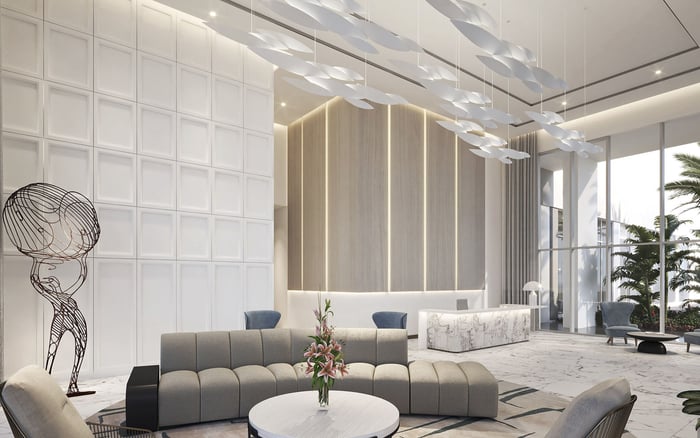
This is where building culture becomes essential. A primary residence should not feel like a transient hotel lobby unless that is deliberately part of the brief. It should offer comfort with neighbors, staff, deliveries, guests, pets, and everyday movement. If the building is too public, too rental-driven, too quiet, or too socially mismatched, the issue will reveal itself after closing rather than before.
For some buyers, St. Regis® Residences Bahia Mar Fort Lauderdale may enter the conversation because branded residences can provide a familiar service vocabulary. Others may prefer a more understated setting with less ceremonial arrival. Both instincts can be correct. The deciding factor is whether the residence makes daily life feel natural.
A serious primary-residence search should be tested through ordinary scenarios. Arrive at different times of day. Consider where guests will wait, how groceries enter, how luggage moves, where children or grandchildren gather, and whether the terrace feels usable beyond a short showing. Ask how the building handles service, privacy, maintenance, pets, access, and guest flow.
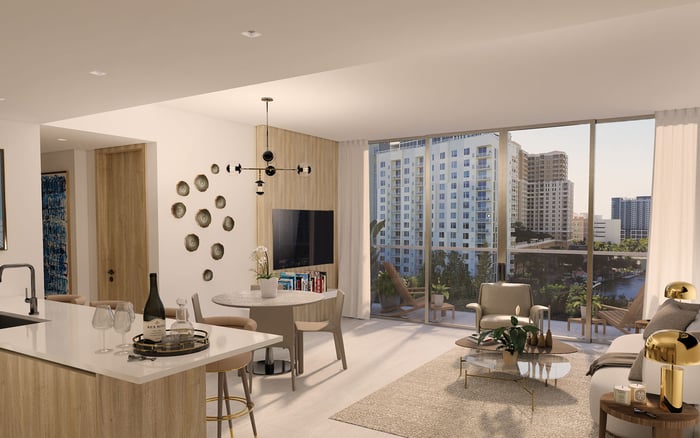
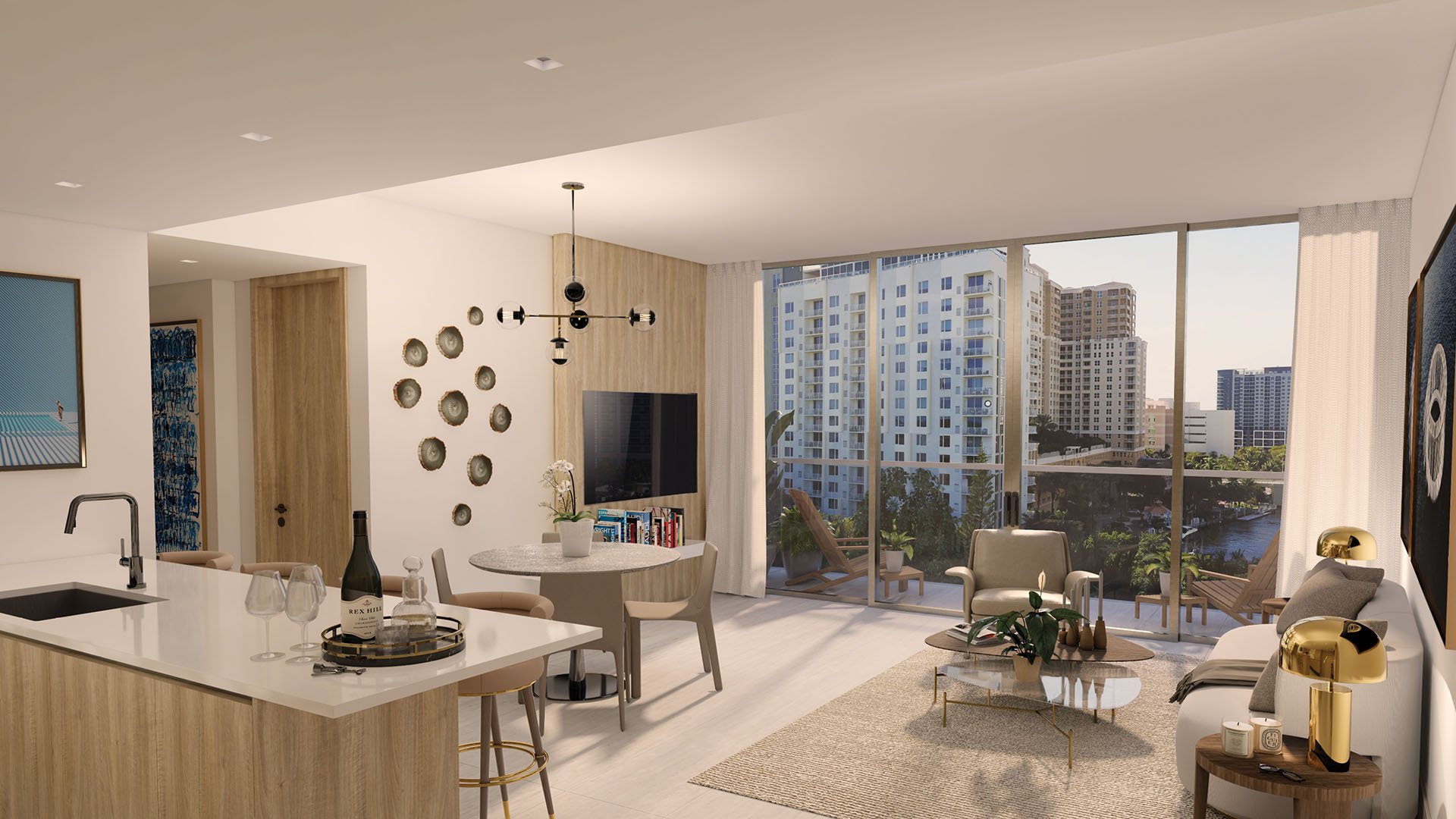
The floor plan deserves equal scrutiny. Oversized living rooms can impress, but poorly placed secondary bedrooms, limited closets, or awkward service paths can erode daily comfort. Kitchens should be evaluated not only for finish, but for how the household actually eats and hosts. Terraces should be judged by privacy, usability, and relationship to the interior, not simply by square footage.
A primary residence should also have emotional durability. The first impression matters, but the better question is whether the home will still feel calm on a Monday morning, during a family visit, after a long flight, or when advisors and contractors need to meet. Luxury is not only what is visible. It is what does not need to be solved every day.
Should a Buenos Aires buyer choose Fort Lauderdale before Miami? Not automatically. The better first step is to define daily life, then decide whether Fort Lauderdale, Brickell, or another South Florida setting supports it best.
What makes a home suitable for a primary-residence strategy? It should support routine, privacy, family use, advisory structure, and long-term comfort, not only occasional visits or investment logic.
Should legal and tax planning happen before choosing a property? Yes. International buyers should coordinate advisors early so ownership, residency, estate, and financing decisions align with the purchase.
Is a branded residence better for relocating buyers? It can be, especially when service consistency and hospitality language are priorities. Some buyers, however, prefer a quieter non-branded environment.
How important is building culture? Very important. A primary residence depends on everyday comfort, staff interaction, neighbor profile, privacy, and the rhythm of common areas.
Should buyers prioritize ocean views? Views matter, but they should not override floor plan, privacy, access, storage, service flow, or the practical realities of daily use.
Can a South Florida home begin as a part-time residence? Yes, if the purchase is structured with the possibility of becoming a true base. The home should not be too limited for future primary use.
What should families test during showings? They should test arrivals, guest movement, storage, terrace usability, kitchen function, bedroom separation, and how the building handles privacy.
Does Brickell compete with Fort Lauderdale? It competes only if the buyer wants an urban Miami operating base. Fort Lauderdale may suit buyers seeking a calmer residential center.
What is the best way to shortlist comparable options for touring? Start with location fit, delivery status, and daily lifestyle priorities, then compare stacks and elevations to validate views and privacy.
For a tailored shortlist and next-step guidance, connect with MILLION.
If branded residences are on your mind — as a home or as an allocation — we would be glad to share what we are seeing, privately.
Begin a quiet conversation