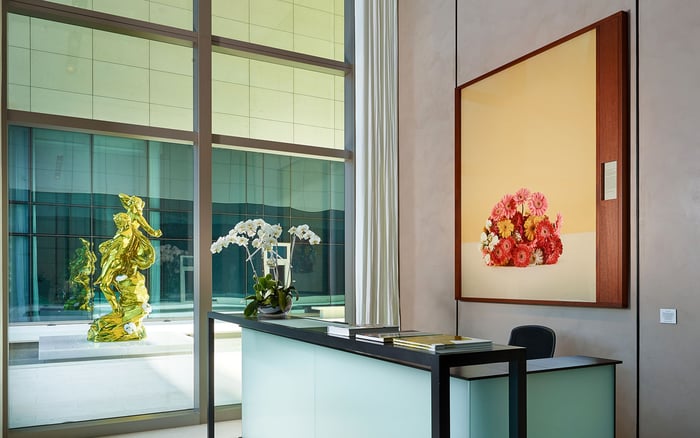
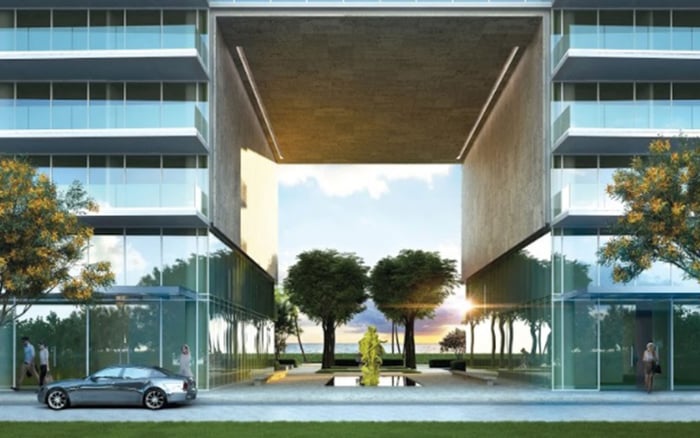
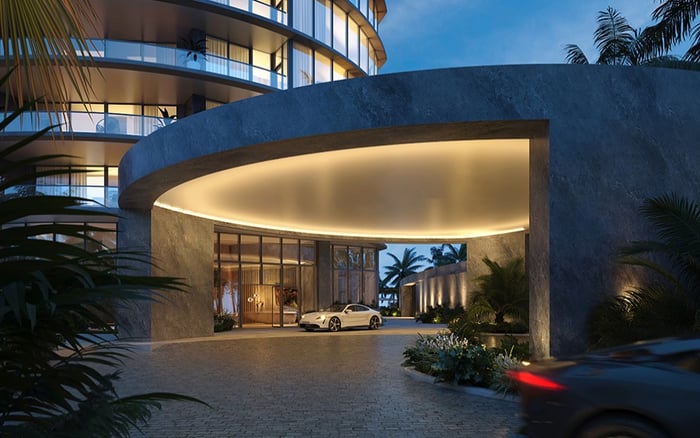
A refined comparison of Brickell and Bal Harbour for empty nesters deciding between urban convenience, waterfront serenity, social access, and lock-and-leave simplicity.
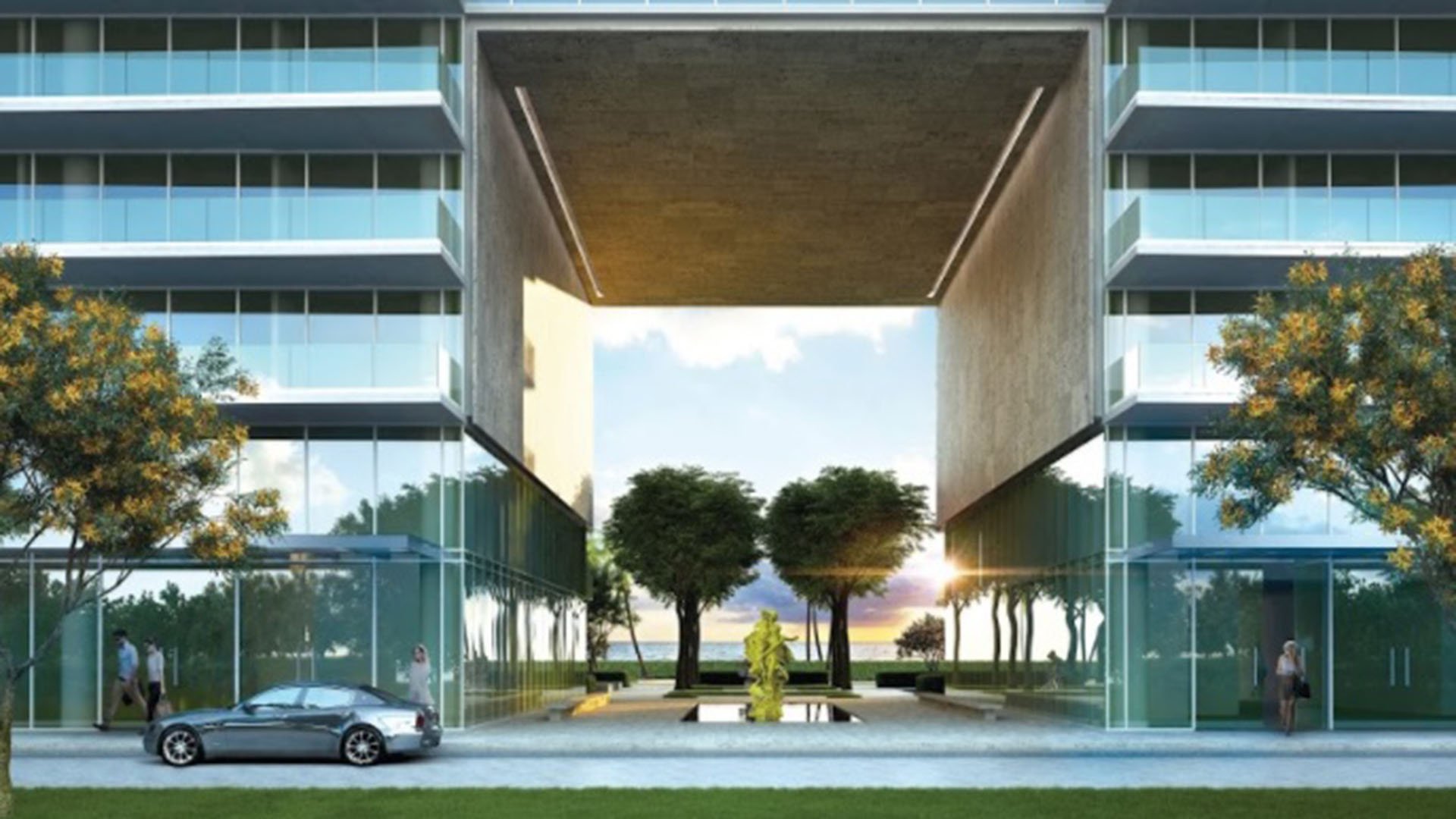
For many South Florida buyers, the move after children leave home is not a retreat. It is a recalibration. The large house, the weekly maintenance, and the rooms held for a family schedule that no longer exists can begin to feel less essential than convenience, privacy, service, views, and the freedom to leave for a month without concern.
That is why the choice between Brickell and Bal Harbour is so revealing. Both can serve an ultra-premium empty nester beautifully, but they answer different emotional and practical needs. Brickell offers density, vertical energy, restaurants, offices, social spontaneity, and a sense of connection to Miami’s metropolitan pulse. Bal Harbour offers a quieter coastal posture, a more residential arrival, and a daily life oriented around privacy, calm, and oceanfront ease.
Neither is the universal answer. The right fit depends on how a couple wants ordinary days to feel, not only how they want special weekends to unfold.
Brickell is compelling for empty nesters who do not want the next chapter to feel sleepy. Its appeal is the ability to compress the day. A morning workout, a client lunch, a gallery opening, dinner with friends, and a late return home can all feel natural within an urban pattern. The lifestyle is less about having more space and more about having more access.
For buyers who still travel frequently, maintain business interests, or want an apartment that can function as both primary residence and pied-à-terre, Brickell often feels efficient. The vertical-residence format can replace the burdens of a single-family home with staffing, security, amenity floors, valet convenience, and a lock-and-leave mindset. In this context, Brickell is not simply a location. It is shorthand for a more connected, more immediate version of Miami living.
Residences such as Baccarat Residences Brickell speak to buyers who want a refined, design-conscious address with the convenience of an urban neighborhood. Cipriani Residences Brickell similarly suits those who value hospitality-inflected living, where the building experience matters as much as the residence itself.
The tradeoff is atmosphere. Brickell is active. For some empty nesters, that activity is precisely the point. For others, it can feel like too much motion once the office years are finally behind them.
Bal Harbour appeals to a different instinct. It is for the buyer who has had years of proximity, traffic, school calendars, hosting duties, and full-house logistics, and now wants a more composed environment. The lifestyle is more discreet, more coastal, and more deliberate. Days tend to feel less scheduled by the city and more shaped by the water, the building, the terrace, and a smaller circle of friends.
For taxonomy-minded buyers, Bal Harbour may appear as a search shorthand, but the lived experience is far more elegant than any label. The attraction is the ability to move into a setting that feels complete without demanding constant participation. A beachfront residence can offer the restorative quality of a resort while still functioning as a sophisticated permanent home.
This is where properties such as Rivage Bal Harbour enter the conversation for buyers considering new waterfront living with a quiet luxury sensibility. Established oceanfront names such as Oceana Bal Harbour can also be relevant for those who want the prestige of Bal Harbour with the simplicity of condominium ownership.
The tradeoff is pace. Bal Harbour is not trying to be Brickell. It is not designed for the same level of spontaneous urban movement. That is exactly why many empty nesters prefer it.
One of the clearest ways to decide is to examine how social life is likely to evolve. In Brickell, the city becomes an extension of the living room. Restaurants, lounges, hotel bars, wellness spaces, and cultural plans can fill the calendar without much advance planning. For empty nesters who want to say yes more often, Brickell gives that impulse a practical stage.
In Bal Harbour, social life is usually more curated. It may involve fewer impromptu evenings and more intentional dinners, club-like building amenities, visiting family weekends, and quiet time with long-standing friends. The home itself becomes the center of gravity. The terrace, the view, the arrival sequence, and the privacy of the residence carry more weight.
This distinction matters for couples newly free from school-year routines. If the goal is to rediscover the city together, Brickell has the advantage. If the goal is to edit life down to its most pleasurable rituals, Bal Harbour may feel more aligned.
Empty nesters often assume they need far less space, then discover the opposite is partly true. They may not need the former family house, but they still need rooms that support a layered life. Visiting adult children, grandchildren, live-in or visiting help, home offices, wellness routines, wine storage, art, pets, and seasonal wardrobes all require planning.
In Brickell, the ideal floor plan often emphasizes flexible secondary bedrooms, strong storage, a proper entry sequence, and separation between entertaining and private areas. A buyer who expects frequent guests should be cautious about choosing a residence that feels efficient only when empty.
In Bal Harbour, the decision often shifts toward terrace depth, view orientation, private elevator arrival, generous primary suites, and a guest experience that feels resort-like rather than improvised. The home may be quieter, but it should not feel diminished. The best empty nester residence is not merely smaller. It is more exact.
Both neighborhoods can work for the lock-and-leave buyer, but the test is different. In Brickell, convenience is about reducing friction. Can daily needs be handled without complex planning? Does the building make arrivals and departures smooth? Is the amenity package genuinely useful, or merely decorative? Is the residence comfortable after a late dinner, an early flight, or a long workday?
In Bal Harbour, lock-and-leave living is more about trust and continuity. The buyer wants to know that the residence will feel serene on return, that service standards are consistent, and that the building environment remains polished in season and out of season. For many empty nesters, this reliability becomes more valuable than novelty.
Service is not a luxury extra in this stage of life. It is part of the architecture of freedom. A well-run building can restore hours every week, while a poorly matched building can recreate the very burdens a buyer hoped to leave behind.
Choose Brickell if you want an urban next chapter. It is best for empty nesters who still identify with movement, dining, meetings, arts, wellness, and a social calendar that can expand on short notice. It also fits couples who may split time between cities and want a Miami residence that feels connected rather than secluded.
Brickell is especially persuasive when one or both partners still enjoy the energy of business districts and hotel-level hospitality. It can feel younger without feeling unserious, cosmopolitan without requiring a large household, and practical without sacrificing polish.
The caution is to buy for daily livability, not just skyline drama. Views are seductive, but elevator flow, parking, guest access, acoustic comfort, and storage will determine whether the residence remains satisfying year after year.
Choose Bal Harbour if privacy, beach proximity, and a calmer environment are the true priorities. It suits empty nesters who want their residence to feel like a sanctuary, not a base camp. It is also attractive to buyers who host selectively, value understated prestige, and prefer a more residential coastal rhythm.
Bal Harbour can be especially appealing when the primary home has become too demanding but the buyer is not ready to compromise on graciousness. The right condominium can preserve the sense of arrival and scale that luxury homeowners appreciate, while removing the complexity of maintaining a large property.
The caution is to be honest about appetite for quiet. If a couple still wants frequent late nights, walkable urban variety, and a highly spontaneous social routine, Bal Harbour may feel too edited.
For the active, globally mobile empty nester, Brickell is often the more energizing choice. For the privacy-driven, coastal empty nester, Bal Harbour is often the more restorative one. The decision is not a referendum on taste. It is a referendum on tempo.
The most successful move is rarely framed as downsizing. It is better understood as rightsizing: choosing the building, floor plan, service culture, and neighborhood rhythm that match the life a buyer actually intends to live.
Is Brickell better for empty nesters who still work? Often, yes. Brickell can suit buyers who want business access, dining options, and a more active weekday rhythm.
Is Bal Harbour better for a quieter retirement-style lifestyle? It can be. Bal Harbour generally appeals to buyers who place privacy, calm, and coastal living ahead of urban energy.
Should empty nesters buy fewer bedrooms than they had before? Not automatically. Guest patterns, grandchildren, home offices, staff needs, and storage often justify more space than expected.
Which area is better for a second home? Both can work. Brickell favors connected city living, while Bal Harbour favors a more serene coastal retreat.
Do empty nesters usually prefer new construction? Many do because newer residences can offer modern layouts, amenities, and service expectations, but building fit matters more than age alone.
Is Brickell too busy for long-term living? It depends on the buyer. Those who enjoy activity may find it invigorating, while quieter buyers may prefer a coastal setting.
Is Bal Harbour too quiet for social buyers? It may be for buyers who want constant spontaneity. For curated entertaining and privacy, it can be highly appealing.
What should couples compare first, neighborhood or building? Start with daily routine, then evaluate buildings. The right neighborhood still needs the right floor plan and service culture.
Can a condominium truly replace a large single-family home? Yes, if it is chosen carefully. Storage, guest rooms, terraces, privacy, and staffing support are the key considerations.
What is the simplest way to decide between the two? Ask whether you want your next chapter to feel more connected or more serene. That answer usually points clearly toward Brickell or Bal Harbour.
If you'd like a private walkthrough and a curated shortlist, connect with MILLION.
If branded residences are on your mind — as a home or as an allocation — we would be glad to share what we are seeing, privately.
Begin a quiet conversation