For buyers moving from Boston, Massachusetts, or California to Fisher Island, Florida may be part of a broader domicile and lifestyle strategy. The move should be coordinated with tax counsel, documented intent, day-count discipline, source-income review and real estate timing.
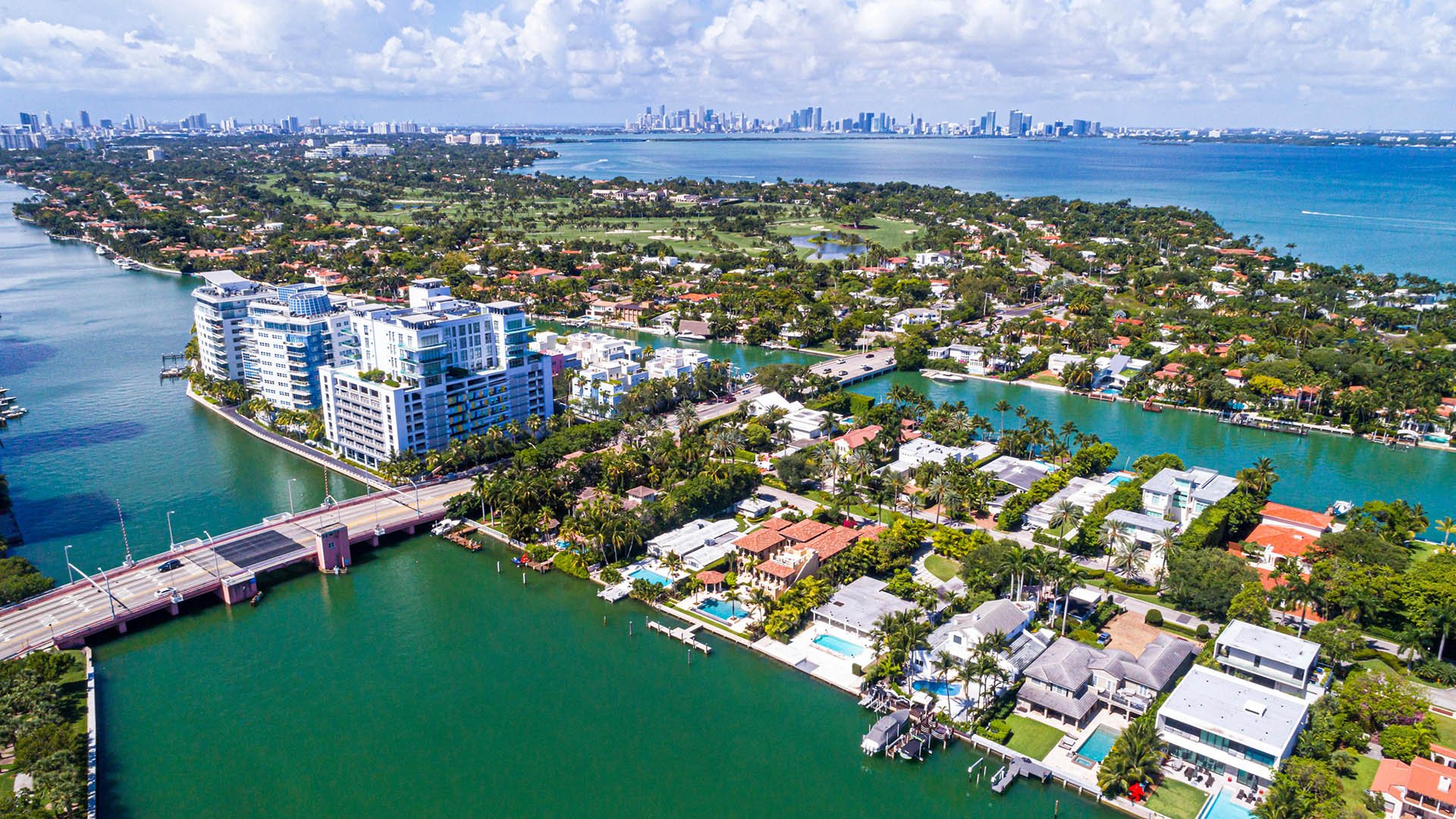
For Boston families considering Fisher Island, the appeal is not only climate, privacy and architecture. It is the possibility of building a coherent South Florida life around a primary residence, family routines, advisory relationships and long-term estate goals.
Sophisticated buyers should not treat a Florida closing as the finish line. A purchase can become an important part of a broader record, but it does not by itself resolve residency, domicile, source-income or legacy-state questions. The stronger approach is to coordinate the real estate decision with tax counsel before the contract is signed.
That is why this topic belongs in serious Buyer's Guides. A move from Boston to Fisher Island can involve lifestyle, family governance, investment timing and audit-ready documentation. The most successful plans are consistent in both paperwork and daily conduct.
Many high-net-worth households in Massachusetts are reviewing how their residence choices interact with income events, estate planning, family office administration and multistate assets. For founders, private equity principals, physicians, executives and beneficiaries of complex structures, the decision is rarely about a single tax line. It is about where the household genuinely intends to live and how that intent is supported over time.
Retaining a Boston home may be practical for business, family or seasonal reasons, but it should be managed with clarity. Counsel may review calendars, travel records, school choices, medical relationships, charitable commitments, professional ties and club memberships to determine whether the facts tell a consistent story.
The real estate strategy should therefore be integrated with the personal plan. A Fisher Island purchase that becomes the actual center of life will usually be more credible than a lightly used address that exists only on paper.
The phrase California tax migration has become shorthand for a disciplined approach to changing residence. Even when California is only part of a buyer's past, business footprint or investment life, the lesson is useful: facts matter, intent matters and lingering ties can complicate the analysis.
Buyers with California-connected income, entities, deferred compensation, trusts or real estate should ask counsel how those items may be treated after a Florida move. The same mindset can help Massachusetts movers avoid overconfidence. A driver license, voter registration and local filings may help support intent, but they are not a substitute for living consistently with the claimed move.
For Fisher Island buyers, the practical question is simple: can the South Florida residence support the household's real day-to-day life? If the answer is yes, the property can become one part of a better organized migration file.
Fisher Island is a highly private South Florida setting that can suit buyers seeking separation, service, waterfront access and a quieter daily rhythm near Miami Beach. For households that value privacy and permanence, the island can be more than a seasonal retreat.
At the top of the island market, The Residences at Six Fisher Island may appeal to buyers who want a primary-residence caliber environment. Estate-minded purchasers may also study The Links Estates at Fisher Island when they want a more house-like expression of island living.
Existing luxury inventory also plays a role. Whether the purchase is new development, resale or an estate-scale residence, the key test is not the label attached to the property. The question is whether the address will function as the household's actual hub.
Waterfront living can support more than leisure. In a residence-planning context, ordinary details can become meaningful: where family holidays are hosted, where vehicles and art are kept, where staff is managed, where healthcare is organized and where business meetings are scheduled.
Property-tax and homestead questions should be reviewed with counsel as part of the closing timeline. Buyers should understand qualification requirements, documentation steps and how the chosen residence fits their broader asset-protection and estate-planning structure.
The sequencing matters. A closing date, furniture installation and occasional winter stay may not tell the same story as a genuine relocation. The property, records and personal conduct should be aligned from the beginning.
Not every migrating buyer wants the quiet separation of Fisher Island from day one. Some prefer an urban base for business access, private banking, dining and travel. Brickell can be attractive for that reason, particularly for executives who want a polished high-rise environment close to Miami's commercial core. The Residences at 1428 Brickell is the type of address buyers may evaluate when the Miami chapter is tied to work rhythm as much as leisure.
Miami Beach plays a different role. It can offer a softer transition for families moving from established Northeast neighborhoods, with beachfront routines, cultural access and proximity to Fisher Island. The Ritz-Carlton Residences® Miami Beach may appeal to buyers who want privacy and service in a recognizable Miami Beach setting before or alongside a Fisher Island purchase.
The important point is not that one neighborhood solves residency. It is that the chosen address must support the buyer's stated life. Investment logic, lifestyle preferences and tax posture should be part of the same conversation.
High-net-worth movers should coordinate real estate timing with tax filing positions, day-count tracking, business income review, estate planning and family-location facts. This is especially important for owners of operating businesses, private equity interests, deferred compensation, trusts, aircraft, yachts or multistate real estate.
Before signing, buyers should involve tax counsel, estate counsel and the real estate advisory team in the same discussion. Ask how the old-state home will be handled. Ask where the children, spouse or partner, physicians, philanthropic roles, professional licenses and principal banking relationships will sit. Ask how travel patterns will be monitored during the first full year after the move.
The best migration plans are not theatrical. They are consistent. Fisher Island can provide the privacy and permanence that affluent buyers want, but the result depends on disciplined execution.
Does buying on Fisher Island automatically make me a Florida resident? No. A purchase can be important evidence, but residence planning depends on intent, conduct, records and the buyer's full factual picture.
Why do Boston buyers evaluate Fisher Island? Fisher Island can offer privacy, waterfront living and a South Florida base that supports a broader relocation strategy.
Why is California relevant to a Boston-to-Fisher-Island move? California migration planning is often used as a reminder that tax residence questions can be highly fact-specific and connection-driven.
Should tax counsel be involved before a purchase contract? Yes. Counsel can help align timing, documentation, day counts, source-income questions and family facts before the transaction is underway.
Can I keep a Boston or California home after moving? Possibly, but retaining a legacy-state home can complicate the factual picture and should be reviewed before closing.
What records should buyers organize? Calendars, travel logs, household records, professional relationships, school decisions and advisory files may all be relevant.
Is a Declaration of Domicile enough by itself? No. A formal filing may support intent, but the buyer's actual lifestyle and connections need to be consistent with that intent.
Do homestead questions matter for luxury buyers? Yes. Buyers should review eligibility, documentation and planning implications with qualified counsel before relying on any benefit.
Should the Fisher Island property be used as a true primary base? If the buyer is claiming a meaningful relocation, the residence should be able to support real daily life, family use and long-term routines.
How should buyers compare Fisher Island, Brickell and Miami Beach? They should evaluate which setting best supports privacy, work rhythm, family needs and the overall residence-planning strategy.
If you'd like a private walkthrough and a curated shortlist, connect with MILLION.
If branded residences are on your mind — as a home or as an allocation — we would be glad to share what we are seeing, privately.
Begin a quiet conversation