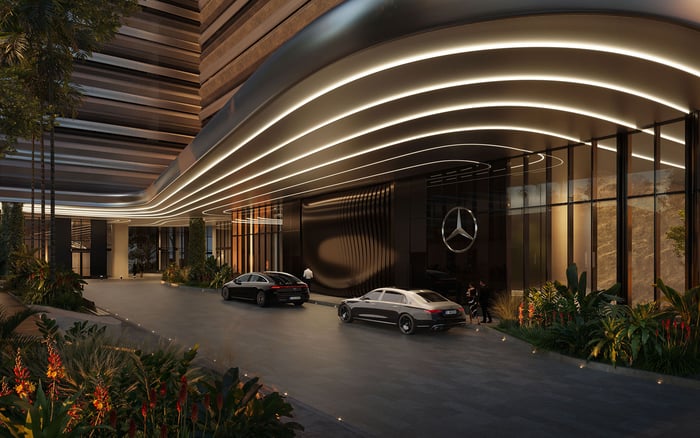
Private entertaining after Miami’s 2026 race weekend calls for more than a compelling guest list. Wine delivery windows, temperature-controlled handling, property-specific power coverage, and a confirmed entertaining inventory deserve separate attention.
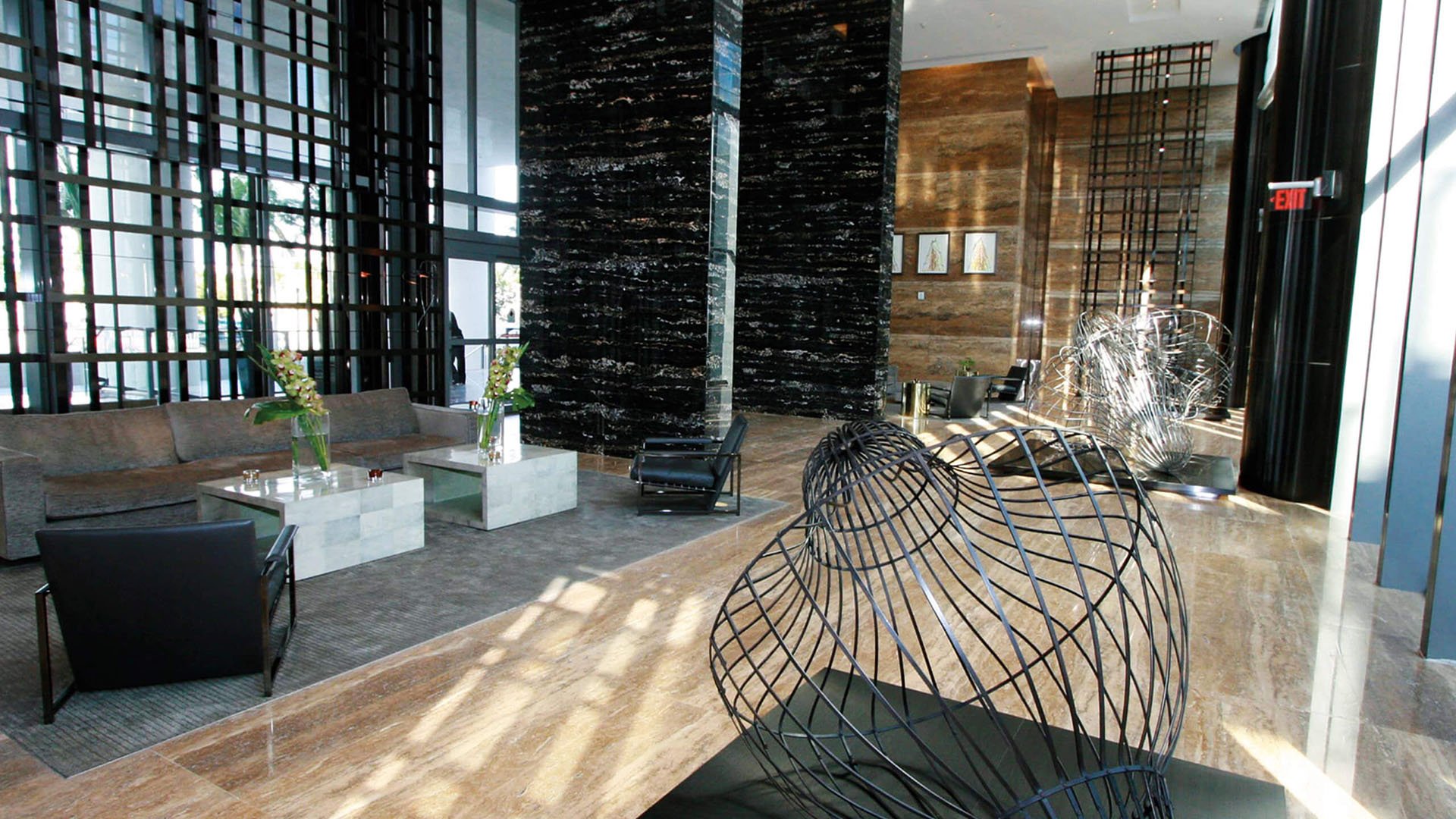
The 2026 Formula 1 Miami Grand Prix ran May 1-3, with the race on Sunday, May 3, at Miami International Autodrome in Miami Gardens. The circuit was not in downtown Miami or Miami Beach, though race-week entertainment extended across the Miami area through concerts, nightclub events, hotel pool programming, and fan activations.
For a private host, the post-race gathering presents a different brief: welcome guests without turning the residence into a dispatch office. The invitation list is the visible element. Behind it sit wine delivery, temperature control, power continuity, and an entertaining inventory that must be ready before service begins.
The essential distinction is between three separate arrangements: wine logistics, residential systems, and event supplies. Cooling redundancy at a storage facility does not establish a home’s generator coverage. A delivery service does not establish glassware or staffing availability. Discretion begins with knowing who is responsible for each.
In South Beach, a wine-storage operation at 633 Alton Road offers direct-to-door delivery, with up to 48 hours’ notice to be allowed. Same-day service is attempted when possible, not guaranteed. For post-race entertaining, that distinction should shape the ordering timetable-not become a last-minute discovery.
The address is relevant to hosts planning deliveries to a Miami Beach residence, including Apogee South Beach. Proximity alone, however, is no promise of a delivery slot, building access, or an established provider relationship.
A practical request should specify the bottles, quantities, receiving address, preferred window, and person authorized to accept delivery. Ask the provider to confirm the booking and the building to confirm access arrangements. Schedule delivery separately from guest arrival so that receiving, checking, and storing the wine do not compete with hospitality.
A service offering is not evidence of a completed May 2026 booking or reserved post-race capacity. Any retrospective assessment of an event should distinguish the available service from the actual order confirmation.
The South Beach storage offering includes constant storage temperature and continuous humidity monitoring. Elsewhere in Miami, a 4,500-square-foot temperature-controlled facility at 7227 NW 32nd Street offers controlled handling from product arrival through final delivery. The distinction matters: both the storage environment and the delivery journey need attention.
For a host at Setai Residences Miami Beach, the question is not simply where bottles are stored. It is how they move from storage into the residence, who receives them, and where they wait before service. No project-specific wine handling service should be assumed from the address or residential name.
Ask whether transport is temperature-controlled, whether conditions are monitored, and how an unsuccessful delivery is handled. Then identify the receiving location inside the property. A delivery plan is incomplete if it ends at the entrance without a clear handoff to suitable storage.
Storage conditions should also remain distinct from serving decisions. A storage range is not a universal serving temperature for every bottle on the evening’s menu.
Commercial wine logistics can sound reassuringly comprehensive. One offering includes temperature-controlled vehicles with continuous monitoring and dedicated storage zones maintained at approximately 55-65°F with humidity control. Those zones sit within a 100,000-square-foot licensed bonded container freight station; the facility is not exclusively devoted to wine.
Its South Florida delivery customers include restaurants, hotels, bars, and retail accounts. That customer profile does not establish availability for individual residential orders. A private host should first confirm whether the operator accepts the intended assignment, then establish its scope and timing.
The same discipline applies when evaluating One Thousand Museum Downtown Miami as a setting for private entertaining: assess the residence’s receiving arrangements separately from a carrier’s commercial capabilities. Neither scale nor branding substitutes for confirmation.
Future facilities belong in a different conversation. A planned Miami wine-storage facility is scheduled to open in 2027, with preleasing available and an intended environment of approximately 55°F and 70% humidity. It is not an operating option for the May 2026 post-race period.
The South Beach wine-storage offering includes backup power and redundant air-conditioning units. These are facility-level provisions, not evidence of residential generators, whole-home coverage, or backup power for the circuits serving a particular wine cabinet.
For a buyer considering Una Residences Brickell, the next step is a property-specific conversation with management and qualified technical advisers. Ask which systems receive backup power, whether in-residence refrigeration is included, and what limitations apply. These are due-diligence questions, not assertions about the project.
Address room air-conditioning, dedicated wine storage, kitchen refrigeration, and temporary event equipment separately. Support for one system does not imply support for another. Ask who receives alerts and who is authorized to respond if conditions change while the owner is away.
An elegant contingency plan should be simple enough to execute: a designated contact, a confirmed escalation route, and an agreed response for bottles or supplies that cannot remain in their intended location.
For an F1 gathering, wine is only one part of readiness. Glassware, barware, linens, furniture, refrigeration rentals, and service staff require separate availability checks. Nothing in a wine-storage or transport offering establishes that those items were available immediately after the race.
Start with the intended service: seated dinner, standing reception, or a smaller evening tasting. Count what the residence already holds, then request confirmation for the remaining pieces. Record quantities, delivery and collection windows, setup responsibilities, and the person who will check the order on arrival.
Temporary refrigeration deserves particular attention. Before accepting equipment, ask a qualified adviser to confirm its electrical requirements and suitability for the intended location. Keep that discussion separate from the wine carrier’s temperature-control arrangements.
For staffing, define responsibilities rather than relying on a general promise of service. Receiving deliveries, preparing glassware, opening bottles, serving guests, and managing collection may require different assignments. The objective is a clear handoff, not a larger team by default.
For luxury buyers, entertaining capability is best evaluated through specific questions, not assumed from finishes or a celebrated address. Receiving procedures, usable storage, documented power coverage, and space for service preparation deserve attention alongside the dining room and terrace.
The post-race period makes that distinction especially clear. A polished gathering rests on confirmed arrangements: wine, residential systems, and entertaining inventory managed separately, then coordinated before guests arrive.
Explore residences through the lens of discreet, well-planned entertaining with MILLION.
If branded residences are on your mind — as a home or as an allocation — we would be glad to share what we are seeing, privately.
Begin a quiet conversationThe event ran May 1–3, 2026, with the race on Sunday, May 3.
No. The venue was Miami International Autodrome in Miami Gardens, although race-week entertainment extended across the Miami area.
The South Beach storage and delivery offering advises allowing up to 48 hours. Same-day service is attempted when possible rather than guaranteed.
No. Hosts should obtain confirmation of the delivery window and separately confirm residential receiving arrangements.
A 4,500-square-foot facility at 7227 NW 32nd Street describes temperature-controlled handling from arrival through final delivery. The exact assignment and timing should be confirmed before booking.
No. A carrier serving restaurants, hotels, bars, and retail accounts does not necessarily accept individual residential orders.
No. The South Beach storage operation advertises backup power and redundant air-conditioning, but residential systems require property-specific verification.
Ask separately about room air-conditioning, wine storage, kitchen refrigeration, and temporary event equipment. Confirm which systems receive backup power and what limitations apply.
No. A facility scheduled to open in 2027 should not be treated as operating during the May 2026 post-race period.
That should not be assumed. Glassware, barware, linens, furniture, refrigeration rentals, and service staff require separate availability and scope confirmations.