A buyer-focused framework for assessing Five Park’s outage resilience, separating advertised private access and premium appliances from documented generator endurance, elevator operation, and unit-level refrigeration coverage.
At Five Park Miami Beach, the purchase conversation extends beyond views, finishes, and arrival. The 48-story condominium at 500 Alton Road, Miami Beach, FL 33139, was developed by Terra and GFO Investments. Its residence offering comprises 140 homes connected by private lobbies and elevator banks. Those details establish the setting-not how a particular residence functions when utility power remains unavailable.
For a buyer, three questions warrant separate diligence: how long backup power can support its assigned loads, which elevators remain available under defined operating conditions, and whether the refrigerator in the chosen residence receives emergency power. Private access and premium appliances cannot substitute for those answers.
Missing disclosure is not proof of missing service. It is a reason to request building-specific documentation before treating continuity as part of the purchase proposition.
Generator capacity, fuel type, tank size, runtime, and emergency-refueling arrangements are not specified for Five Park. Buyers should therefore assign no assumed number of hours or days to the building’s backup capability.
Request the equipment specification and emergency-load schedule together. The first identifies the equipment; the second establishes what it is intended to support. Ask management to distinguish usable fuel capacity from nominal tank capacity and identify reserve or shutdown settings. Any claimed duration should come with its operating assumptions, including the loads covered and services excluded.
The document request should cover:
Generator specifications and usable fuel capacity.
Reserve settings and the emergency-load schedule.
Documented runtime under stated operating conditions.
Transfer and load-test records.
The fuel-delivery agreement and emergency-refueling arrangements.
Assess a refueling agreement separately from fuel already on site. Ask what the agreement commits to, who coordinates delivery, and how management communicates an interruption. A general assurance about refueling is not a verified extension of runtime.
For a buyer also considering Apogee South Beach, the same questions provide a consistent comparison framework without assuming equivalent systems or endurance.
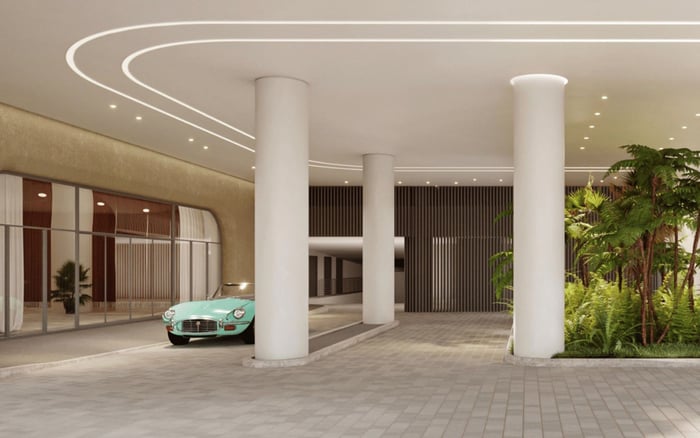
Five Park’s advertised private elevators include key-activated access to entry vestibules. This is an arrival feature. It does not establish that a private residence elevator receives emergency power or remains available throughout an outage.
Request a car-by-car emergency-power matrix identifying the elevator serving the proposed residence, its power coverage, and applicable operating restrictions. Pair that matrix with the sequencing plan and generator-to-elevator transfer-test records. Ask management which cars operate, in what sequence, and whether resident access differs from normal service.
Which elevators receive emergency power, and whether private residence elevators are included, remain unspecified. So do recall floors, emergency sequencing, and private-elevator behavior during fire-service operation.
These are distinct questions. Ask for recall-floor documentation and inspection certificates, then request a written explanation separating utility-outage operation from fire-service operation. An answer that simply says “the elevators are backed up” resolves neither scenario for the buyer’s particular home.
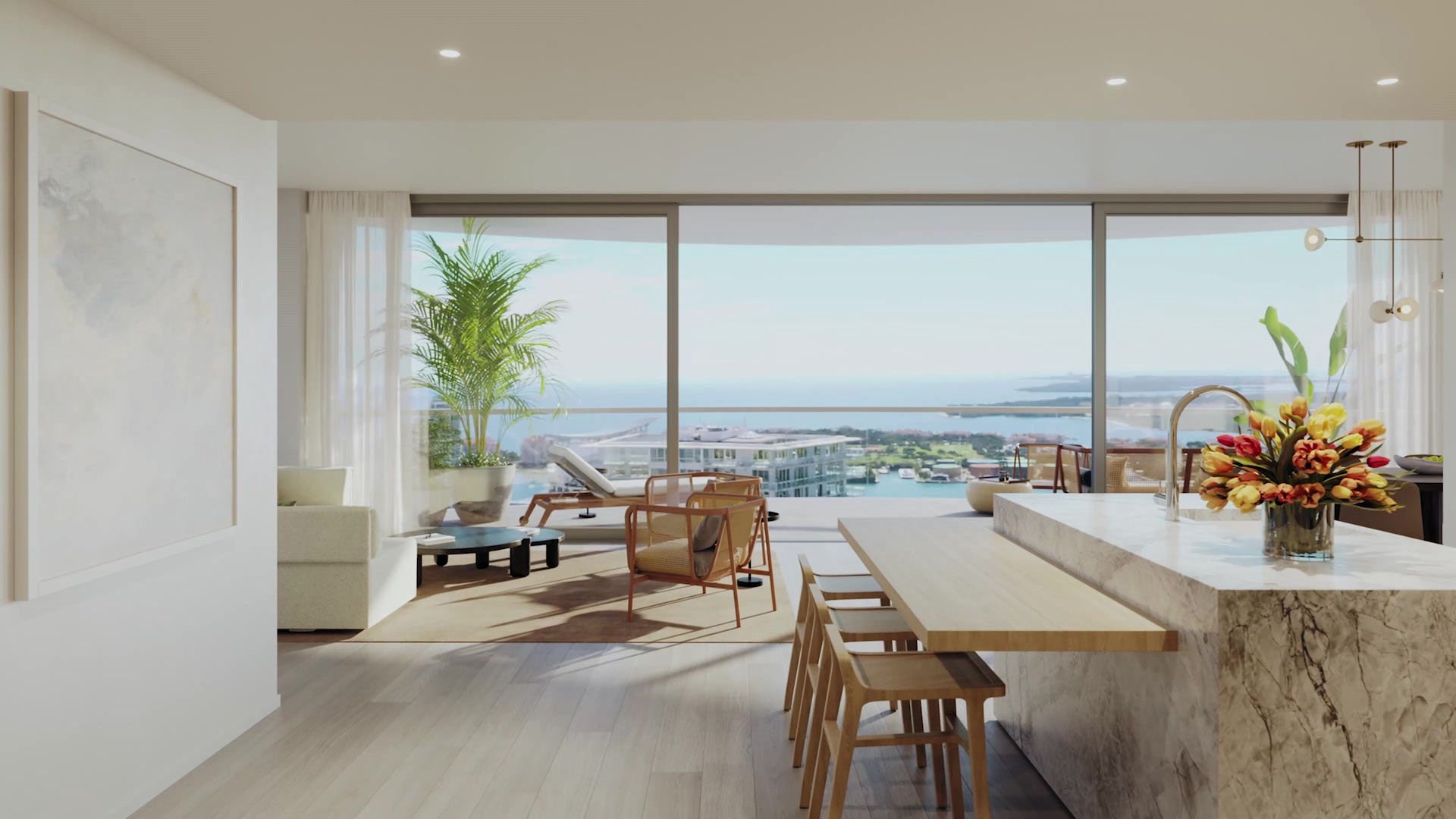
The advertised appliance package includes Sub-Zero refrigerator/freezer appliances with an internal chilled-water dispenser and ice maker. That specification describes the appliances, not their emergency electrical supply.
Emergency-power coverage for private-unit refrigerator circuits is not established. To verify it, request the specific residence’s panel schedule and written confirmation that the refrigerator circuit transfers to the emergency supply. A building-wide assurance cannot replace an answer tied to the unit being purchased.
Ask whether the circuit is subject to load shedding and whether coverage includes the appliance’s controls, ice maker, and water dispenser. The confirmation should distinguish refrigerator/freezer operation from accessory functions, rather than treating the entire package as one undefined promise.
For shoppers comparing Five Park with The Perigon Miami Beach, the discipline is straightforward: compare documented circuit coverage, not appliance prestige. The comparison itself establishes nothing about either building’s actual backup arrangements.
The strongest answer combines a unit-specific electrical record, current management confirmation, and relevant testing documentation. Until those align, refrigeration continuity remains a diligence question-not a verified amenity.
A private vestibule shapes the arrival experience; an emergency-power plan determines whether that experience remains available under a defined outage scenario. Buyers should evaluate both without allowing one to imply the other.
The described plans, features, and amenities reflect preliminary development plans and may change under the offering documents. Current records are therefore especially important. Ask which documents describe the installed systems and whether later changes affect the residence under consideration.
The standard for buyer diligence is specificity: the identified equipment, the identified elevator, the identified circuit, and the conditions under which each operates. Have your legal and technical advisers reconcile material assurances with current building records and the applicable purchase documentation.
If a stated backup duration is central to your decision, request written contractual or management documentation supporting it. Keep that commitment separate from a broad description of emergency power.
For an owner who is not always in residence, the audit must address communication as well as equipment. Ask who provides outage updates, how elevator restrictions are communicated, and what management can confirm about the unit’s refrigerator circuit while the owner is away.
Advertised internet and Wi-Fi coverage extends to garage and elevator areas, but that does not establish continuity during a prolonged outage. Ask which communication systems receive backup power and what alternative contact arrangements management uses. Do not assume normal connectivity remains available simply because coverage is advertised.
A comparison with Setai Residences Miami Beach can follow the same buyer-led checklist. The purpose is not to rank properties on unsupported resilience claims, but to base each purchase decision on comparable written answers.
Before concluding diligence, organize the responses into three decisions: substantiated generator endurance, defined elevator access, and confirmed refrigerator-circuit coverage. Record conditions, exclusions, and unresolved questions beside each answer.
This is not a demand that every household function remain unchanged. It is a request to understand precisely what the building commits to supporting and what the owner must plan around. For a luxury residence, that clarity belongs beside the floor plan, not behind it.
For a discreet perspective on South Florida residences and buyer priorities, explore MILLION.
If branded residences are on your mind — as a home or as an allocation — we would be glad to share what we are seeing, privately.
Begin a quiet conversationFive Park is located at 500 Alton Road, Miami Beach, FL 33139.
Five Park is a 48-story luxury condominium tower developed by Terra and GFO Investments.
The residence offering describes 140 homes connected by private lobbies and elevator banks.
The project fact sheet does not state generator runtime, fuel type, tank size, or emergency-refueling arrangements. That does not establish that backup service is absent.
Request equipment specifications, usable fuel capacity, reserve settings, the emergency-load schedule, documented runtime, transfer and load-test records, and the fuel-delivery agreement.
No such guarantee is established by the advertised private-elevator feature. Request a car-by-car emergency-power matrix and confirmation for the elevator serving the proposed residence.
The available project materials do not specify recall floors, emergency sequencing, or private-elevator behavior during fire-service operation. Request the relevant documentation and transfer-test records.
The appliance package is advertised, but the fact sheet does not establish emergency-power coverage for private-unit refrigerator circuits. Verify the specific residence’s panel schedule and circuit-transfer arrangements.
Yes. Request written confirmation distinguishing refrigerator/freezer operation from coverage of controls, the ice maker, and the water dispenser, including any load-shedding exclusions.
No. Coverage extending to garage and elevator areas does not establish outage continuity; ask management which communication systems receive backup power.