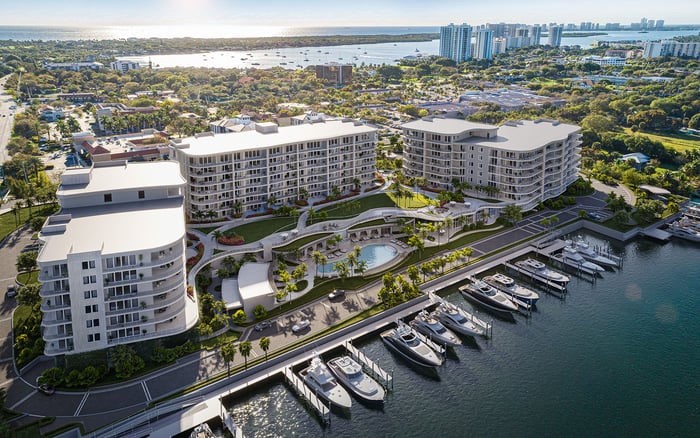
A buyer-focused guide to comparing West Palm Beach waterfront residences through guest-registration controls, building-app privacy, waterside access and document-level due diligence.

For buyers comparing waterfront residences in West Palm Beach, controlled access and digital privacy should be evaluated separately. A managed arrival experience does not, by itself, explain what information a building collects, who can access it or how long it is retained.
Guest registration may involve a lobby, valet area, service entrance or waterside arrival. Buyers should ask whether every entry point follows the same authorization process and whether exceptions are documented. The objective is not simply more technology, but a clear and proportionate system supported by written rules.
No residence should receive a definitive privacy ranking without current building documents and direct confirmation from the appropriate representatives. Buyers building a West Palm Beach comparison set may investigate:
Forté on Flagler West Palm Beach These links are a starting point for property research rather than evidence of a particular privacy standard. For each residence, request the current procedures governing guest approval, building-app permissions, access logs, vendors and record deletion.
Begin by mapping every potential arrival path. Ask how residents authorize visitors, how staff confirm that authorization and what happens when a guest arrives by a different route than expected. Determine whether temporary access expires automatically and whether residents can review or revoke an authorization.
The written procedure should identify what information is required from a visitor. Buyers should also ask whether the system records arrival and departure activity, whether staff can add notes and whether a resident can dispute an inaccurate entry.
Consistency matters. A process that applies at the main lobby but not at another entrance may create uncertainty. Buyers should therefore request one clear explanation covering residents, guests, household staff, deliveries and service providers without assuming that each category is handled identically.
A privacy review should focus on collection, access, retention and deletion. Ask which details are mandatory, which are optional and whether the app requests permissions unrelated to a resident’s intended use. Written answers should distinguish the roles of building management, the association, security personnel and technology vendors.
Retention is especially important because a convenient guest feature can create a history of visits. Buyers should ask whether records expire, whether deletion can be requested and whether backup copies follow a separate schedule. They should also determine what happens to resident and guest information when ownership changes or a vendor is replaced.
Security and privacy are related but not interchangeable. Access controls can limit who enters a property, while privacy rules govern the information created during that process. A careful review addresses both.
Waterfront living can add arrival routes beyond the primary entrance. Buyers should ask whether waterside visitors require advance authorization, who verifies them and whether the same information standards apply across all access points.
Coordination should also be examined. Request a written explanation of how front-desk, security, valet and waterside personnel communicate when an arrival changes. If separate systems are used, ask whether they share records and which team is responsible for correcting errors.
Ask for the current guest-registration procedure, resident-app privacy notice, data-retention schedule and description of staff access levels. Request available rules covering temporary credentials, vendor access, incident review, record correction and deletion requests.
Documents should be read together rather than in isolation. If marketing language, app settings and operating procedures differ, obtain written clarification before relying on any representation. Legal or technical questions can then be directed to qualified advisers chosen by the buyer.
Does a staffed entrance guarantee building-app privacy? No. Physical oversight and digital information practices are separate matters that require independent review.
What should buyers ask about guest-registration data? Ask what is collected, why it is needed, who can access it, how long it remains available and how it can be corrected or deleted.
Should waterside arrivals follow the same process as lobby arrivals? Buyers should obtain written confirmation of the rules for each entry point and identify any differences or exceptions.
Why is a retention schedule important? It explains how long guest and access information may remain in active systems or backups.
Can a branded residence be assumed to offer stronger privacy? No. Branding or service style does not replace a review of the building’s actual technology, contracts and operating rules.
What app permissions deserve attention? Review every requested permission and ask whether it is necessary for the functions the resident intends to use.
Who may have access to visitor records? Access depends on the building’s configuration, so buyers should request a role-by-role explanation covering staff, management and vendors.
Should temporary guest credentials expire? Buyers should ask whether expiration is automatic, whether access can be revoked early and whether expired credentials remain visible in historical records.
How should buyers compare West Palm Beach projects? Use the same written checklist for each residence and avoid treating marketing descriptions as substitutes for current policies.
When should privacy diligence occur? It should occur early enough for the buyer to review documents, seek clarification and consult appropriate advisers before making a final decision.
When you're ready to tour or underwrite the options, connect with MILLION.
If branded residences are on your mind — as a home or as an allocation — we would be glad to share what we are seeing, privately.
Begin a quiet conversation