A buyer-focused framework for comparing South Florida penthouses based on boat-show convenience, marina proximity, crew movement, privacy, and careful review of berth arrangements.
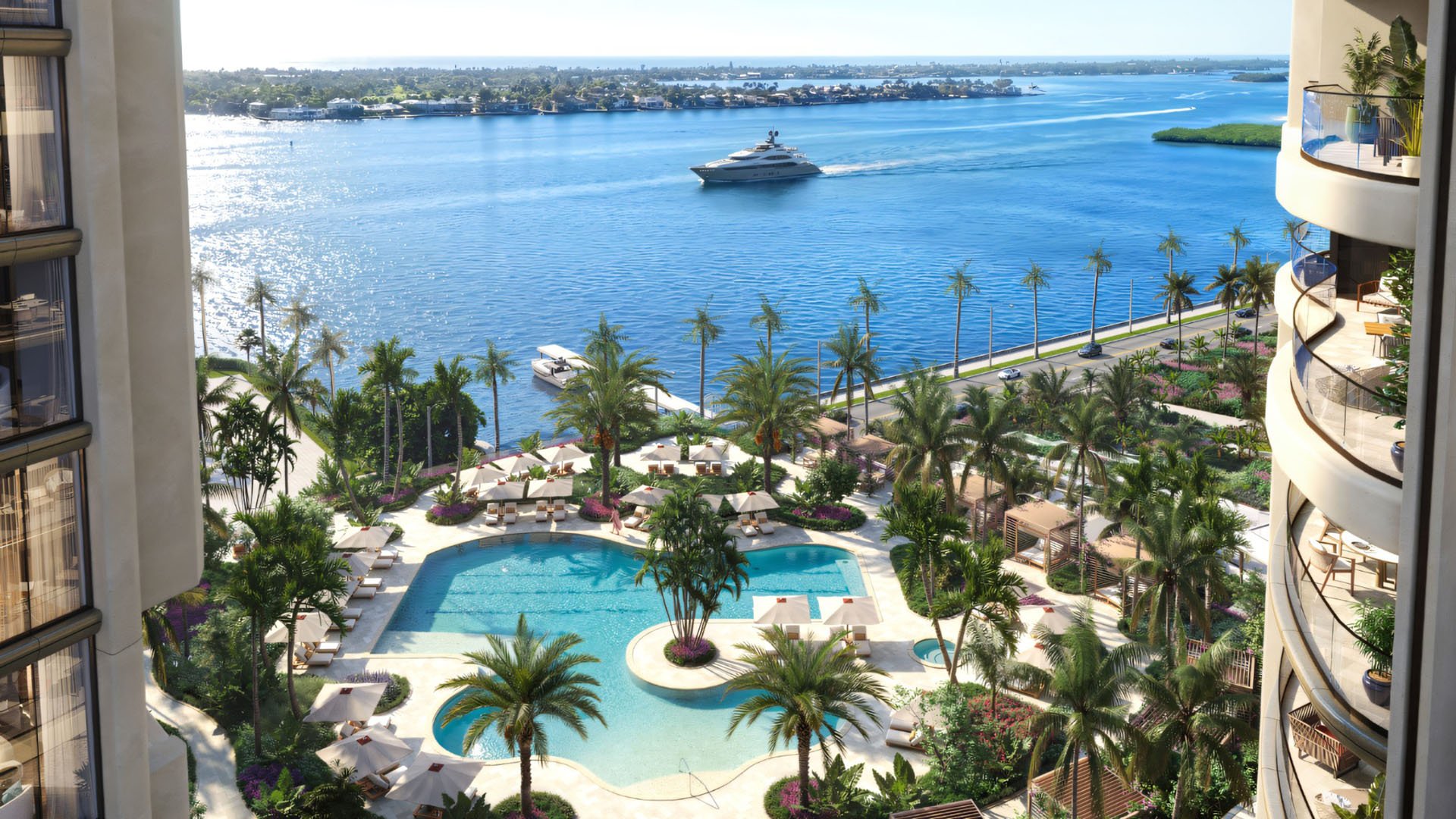
For a yacht-focused buyer, a penthouse can serve as a shoreside base for owners, guests, crew, vehicles, luggage, provisions, and professional advisers. The most suitable residence is not necessarily the one with the most dramatic view; it is the one whose building access, marina relationship, privacy, and transportation pattern fit the owner's actual routine.
South Florida buyers may compare opportunities across Fort Lauderdale, West Palm Beach, and Miami. Each search should distinguish direct marina access from nearby marina access, and both from a water view. Any claimed berth benefit warrants separate legal and operational review.
Buyers focused on Fort Lauderdale can begin with St. Regis® Residences Bahia Mar Fort Lauderdale. Its relevance to a yacht-oriented search should be assessed through current project documents, marina terms, access planning, and the buyer's boat-show schedule.
For a Palm Beach County comparison, South Flagler House West Palm Beach may be evaluated for penthouse living and waterfront positioning. Buyers should confirm whether any marina relationship matches their vessel, crew, and tender requirements rather than inferring rights from location or views.
In Miami-Dade, Villa Miami offers an Edgewater comparison for buyers balancing waterfront living with broader city access. Continuum Club & Residences North Bay Village provides another residential option for a yacht-focused shortlist. Current documents should determine what access, if any, accompanies a particular residence.
Boat-show convenience should be tested door to door. Buyers can compare expected routes from the residence to the event, the effect of congestion, guest arrival procedures, vehicle staging, security checkpoints, and the practicality of returning at different hours.
A penthouse may offer privacy advantages, but the full route matters. Elevator controls, service access, loading areas, valet procedures, and guest registration can shape the experience as much as the residence itself.
Crew planning begins with permitted access. Buyers should ask how captains, crew members, contractors, and delivery teams enter the property; where they park; which elevators they may use; and whether loading schedules or identification procedures apply.
Storage also deserves attention. Luggage, uniforms, equipment, provisions, and yacht-related records may require dedicated space. The residence layout should support these functions without compromising formal entertaining areas or owner privacy.
Marina terminology can describe materially different arrangements. A berth may be deeded, licensed, leased, assigned, preferred, or subject to availability. Buyers should obtain current documentation identifying the precise right, its duration, associated fees, transfer conditions, and relationship to ownership of the residence.
Physical suitability requires a separate review. Confirm permitted vessel length, beam, draft, shore-power needs, tender handling, fueling procedures, security, storm protocols, pickup and drop-off rules, and any restrictions on overnight crew presence. Legal counsel and appropriate marine advisers should review the governing materials before a decision is made.
The strongest choice will align the residence with the owner's normal operating pattern. A buyer who prioritizes boat-show attendance may weigh event access heavily, while another may value privacy, city connectivity, storage, or a clearly documented marina arrangement.
A disciplined comparison should use the same checklist for every property: residence layout, elevator privacy, vehicle handling, crew circulation, guest procedures, marina terms, vessel compatibility, and resale transferability. This approach keeps the decision focused on practical fit rather than waterfront imagery alone.
Do waterfront views include dockage rights? No. Views and berth rights are separate matters, and current documents should establish any marina benefit.
What should buyers verify about a boat slip? Confirm the legal form of the arrangement, duration, fees, availability, transfer terms, and permitted vessel dimensions.
Why does boat-show access require route testing? Travel time can depend on congestion, security procedures, parking, guest access, and the route between the residence and event.
Which crew logistics deserve review? Examine parking, loading areas, building entry, service elevators, identification procedures, working hours, and overnight policies.
How should buyers compare Fort Lauderdale and Miami options? Compare each location against the owner's event calendar, aviation needs, city commitments, marina plans, and typical travel routes.
What matters when evaluating a West Palm Beach penthouse? Consider residence layout, waterfront positioning, vehicle circulation, crew access, and any documented marina arrangement.
Can a nearby marina substitute for direct marina access? It may suit some owners, but the transfer route, parking, tender plan, security, and operating hours should be tested carefully.
Why are elevator and loading arrangements important? They affect privacy and the movement of guests, provisions, luggage, equipment, and service personnel.
Should vessel size be confirmed before purchasing? Yes. Length, beam, draft, shore power, and operating restrictions should be checked against current marina requirements.
Who should review marina documents? Buyers should use qualified legal counsel and appropriate marine advisers to evaluate rights, restrictions, fees, and operational fit.
If you'd like a private walkthrough and a curated shortlist, connect with MILLION.
If branded residences are on your mind — as a home or as an allocation — we would be glad to share what we are seeing, privately.
Begin a quiet conversation